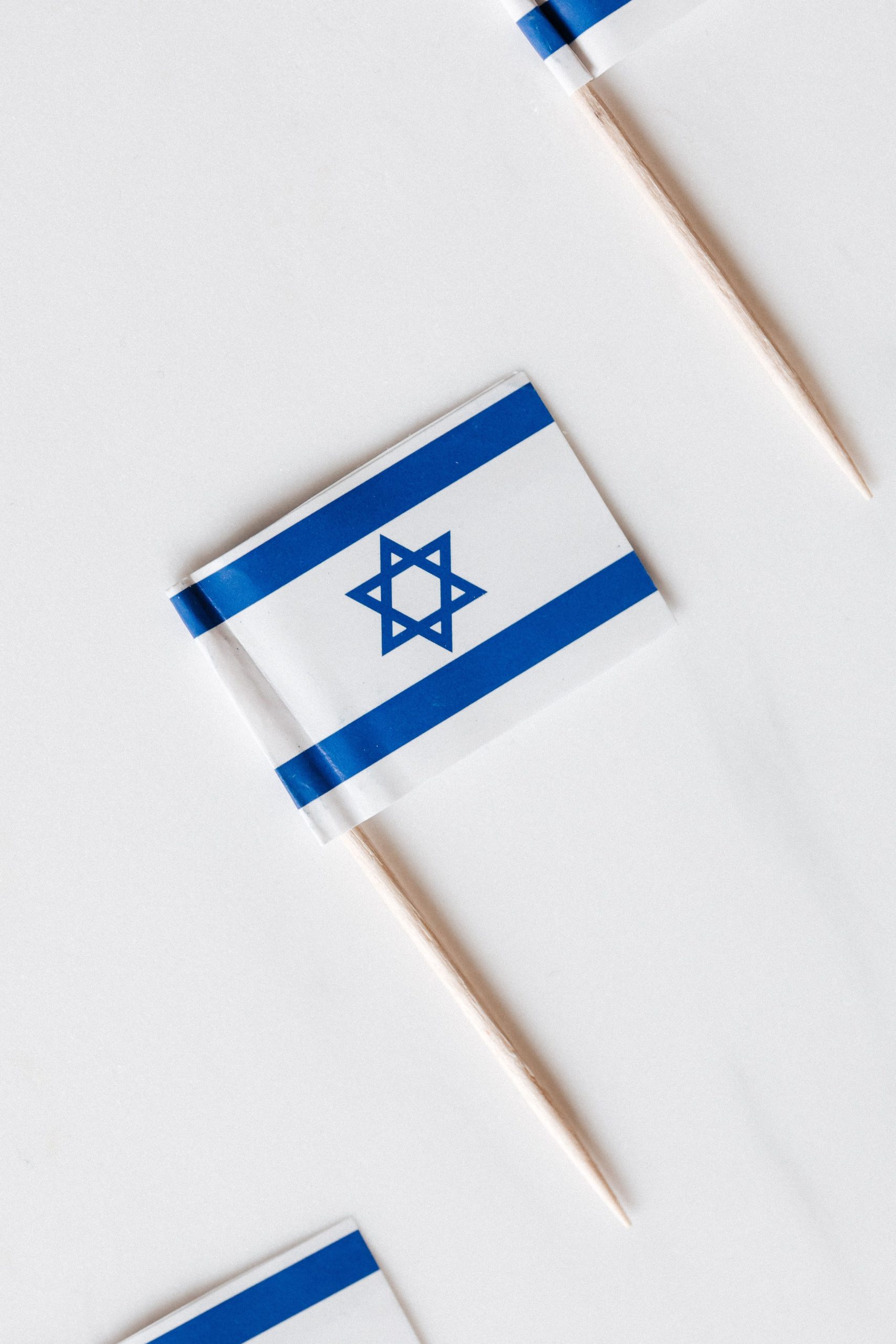
Exploring Reliable Sources for a Comprehensive Understanding of Israel
Understanding the complexities of any nation requires access to diverse and nuanced sources that provide a balanced perspective. For individuals seeking an in-depth grasp of Israel’s political, cultural, and historical landscape, it can often be challenging to find resources that are objective and free from governmental or partisan influence. In this article, we’ll explore strategies and recommendations for accessing credible, minimally biased information about Israel, suitable for a casual reader or student commutes.
The Challenge of Finding Unbiased Information
Many readily available resources tend to fall into two categories:
- Overly Positive Narratives: Some websites and publications emphasize the nation’s achievements and strengths, often glancing over more complex or contentious aspects of its history and politics.
- Sources Focused on Conflict: Conversely, other materials may primarily concentrate on the ongoing Israeli-Palestinian conflict, sometimes portraying either side in a heavily polarized manner.
Both approaches can hinder a well-rounded understanding, especially for readers interested in exploring the country’s broader social, political, and cultural context.
Strategies for Finding Balanced and Independent Resources
To obtain a comprehensive perspective, consider the following approaches:
- Academic and Scholarly Publications: University libraries and academic databases offer peer-reviewed articles and books that analyze Israel from multiple angles. Look for publications by independent researchers or cross-disciplinary studies.
- Historical Texts by Critical Historians: Seek out books and essays written by historians with no direct ties to government institutions, focusing on Israel’s complex history, including native narratives, social movements, and geopolitical developments.
- Non-Governmental and NGO Reports: Organizations independent of governmental influence, such as human rights groups and think tanks, often provide in-depth analyses of regional issues.
- Diverse Perspectives: Consuming content from a variety of sources—Israeli, Palestinian, Arab, Jewish, and international—can help build a more balanced picture.
Recommended Resources
Here are some specific books and websites that are generally regarded as reliable and objective:
- Books:
- Israel: A History by Anita Shapira – Offers a comprehensive and scholarly overview of Israeli history.
- My Promised Land: The Triumph and Tragedy of Israel by Ari Shavit – Presents a nuanced narrative from an Israeli journalist, balancing achievements with challenges.
- The Irony of Democracy: An Uncommon Introduction to American Politics (for comparative political context).
- Websites and Online Platforms:
- The Middle East Centre (lse.ac.uk/mec) – Provides academic articles and reports focusing on Middle Eastern politics.
- The Jerusalem Post and Haaretz – Offer different perspectives within Israeli media, with Haaretz being notably more critical and analytical.
- United States Institute of Peace (USIP) – Features reports and briefs on Israeli-Palestinian affairs and regional stability.
- Chatham House (chathamhouse.org) – Offers policy analyses without overt government bias.
Utilizing Media During Your Commute
Since your interest stems from a daily commute of approximately 1.5 hours, consider integrating this learning into your routine. Podcasts, audiobooks, and educational videos can be particularly effective:
- Podcasts like Israel Policy Forum and Broken Frames offer insightful discussions.
- Audiobooks of historical texts or analyses are readily available on platforms like Audible.
- Educational YouTube channels such as HistoryHit or Al Jazeera English‘s documentaries explore Middle Eastern issues with depth.
Final Thoughts
Seeking a balanced and informed perspective on Israel involves exploring a variety of independent and scholarly sources. Aim to diversify your reading list to mitigate biases and to develop a comprehensive understanding of the nation’s multifaceted story. Engaging with materials during your commute can turn travel time into an enriching learning experience.
If you have specific interests—be it political developments, cultural heritage, or social movements—tailoring your sources accordingly can further deepen your insight. Remember, the most nuanced understanding comes from integrating multiple viewpoints and critical analysis.
This article aims to provide guidance for those interested in gaining a more balanced understanding of Israel beyond the often polarized narratives. Happy exploring!