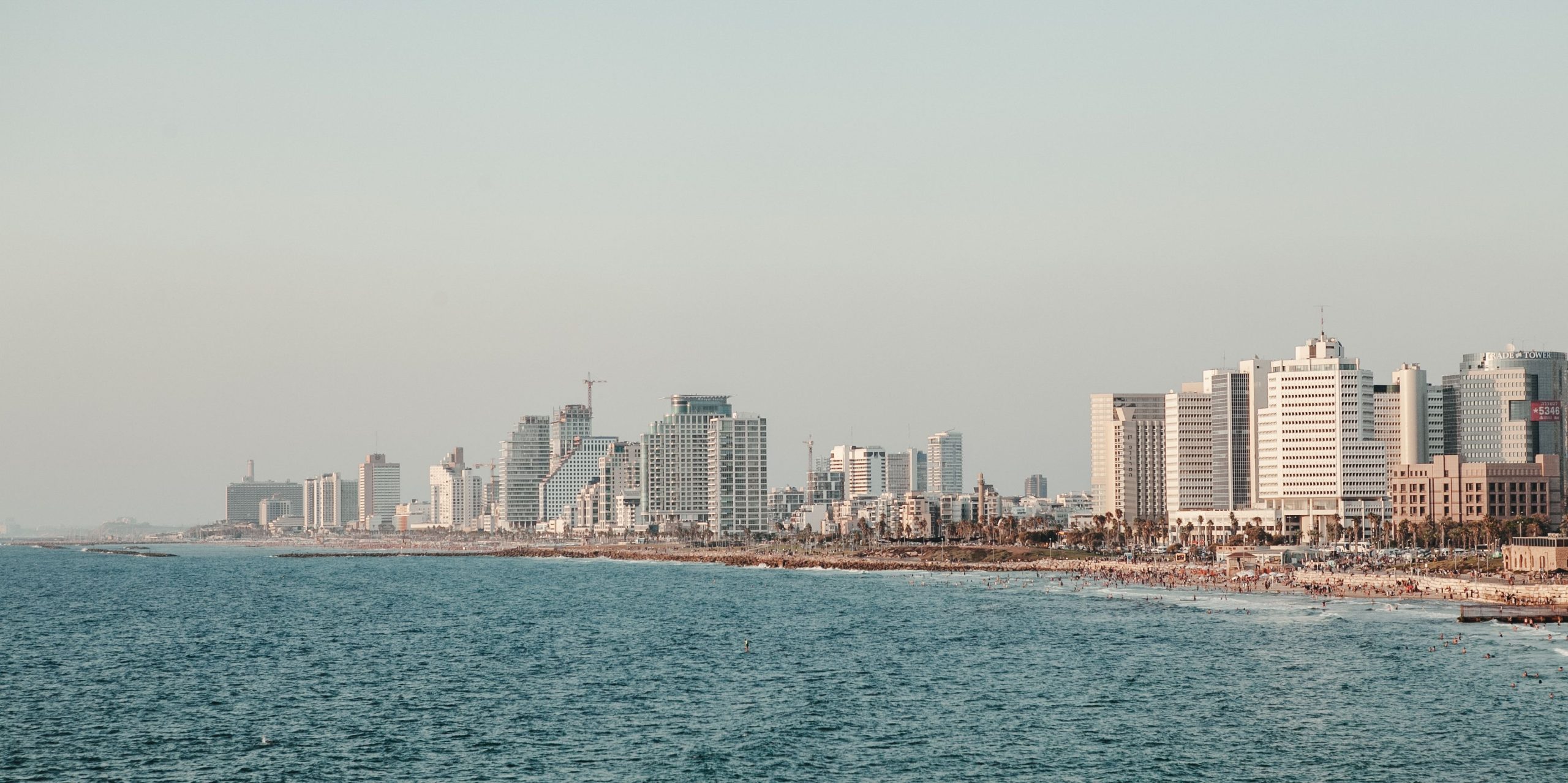
Understanding the Skyline of Tel Aviv: Why Are Most Buildings Low-Rise?
When examining urban landscapes across the globe, it’s common to see iconic skylines dominated by towering skyscrapers and high-rise developments. Major cosmopolitan centers like New York City, Hong Kong, and Dubai showcase their economic vitality through vertical expansion. Interestingly, many cities in southern Israel, including Tel Aviv, present a contrasting picture: their residential areas predominantly feature low-rise buildings. This raises an intriguing question—why does Tel Aviv maintain a profile of mostly low-rise architecture, and could taller buildings be a solution to housing demand?
The Architectural and Cultural Context
Tel Aviv’s distinctive skyline is influenced by a combination of historical, cultural, and regulatory factors. Unlike older cities where vertical growth was driven by economic booms and land scarcity, Tel Aviv’s development patterns reflect a different narrative.
Historically, Tel Aviv was founded in 1909 as a small coastal community. Its early urban planning emphasized preserving the character of the city, fostering a Mediterranean aesthetic visible in the low-rise Mediterranean-style buildings, with their stucco facades and red-tile roofs. This architectural style has become a cultural hallmark, cultivated over decades to maintain the city’s unique identity.
Zoning Regulations and Building Codes
Urban planning regulations significantly shape city skylines. Tel Aviv enforces strict zoning laws that prioritize preserving the city’s aesthetic and historical integrity. These regulations limit the height of new constructions in many neighborhoods, aiming to maintain sightlines, sunlight exposure, and the city’s characteristic skyline.
For example, in the historic districts and popular residential neighborhoods like Neve Tzedek and Florentin, height restrictions are in place to sustain the low-rise charm. Even in areas where taller buildings are possible, local authorities often impose height limits to prevent urban sprawl and to honor cultural and community values.
Urban Density Versus Architectural Height
While taller buildings can increase density and potentially reduce housing costs by making more efficient use of land, the decision to keep buildings low-rise involves a complex balance of factors. The community’s desire to maintain a certain neighborhood character and the desire to foster a sense of community often influence planning decisions more than purely economic considerations.
Moreover, Tel Aviv’s geographical constraints and proximity to the coastline influence urban development. The limited available land due to the Mediterranean Sea to the west compels planners to explore vertical growth in some areas, but overall, the city’s approach leans towards low-rise development to preserve its identity and quality of life.
Economic and Social Considerations
There is an ongoing debate about whether taller buildings would benefit Tel Aviv’s housing market. Advocates argue that increasing building heights could accommodate a growing population and reduce housing costs — a critical concern in one of the most expensive cities in Israel. However, opponents cite the importance of maintaining the city’s aesthetic, traditional character, and community cohesion.
Looking Ahead: Balancing Growth and Identity
As Tel Aviv continues to grow, city planners face the challenge of balancing modern development with heritage preservation. Some districts are undergoing vertical expansion, utilizing innovative architectural designs to integrate higher structures into the existing urban fabric. This approach aims to address housing shortages while respecting the city’s cultural and historical roots.
Conclusion
The primarily low-rise nature of Tel Aviv’s residential landscape stems from a blend of historical roots, regulatory frameworks, cultural values, and geographical constraints. While taller buildings could potentially increase housing supply and lower costs, preserving the city’s unique character remains a priority for planners and residents alike. As Tel Aviv emerges to meet future demands, finding sustainable ways to blend growth with its rich heritage will be essential in shaping its next chapter.
Author: [Your Name], Urban Development Enthusiast and Blogger
Published on: [Date]