Strategic Communication in Conflicted Times: The Case for Enhanced PR Efforts by Israel
In the complex arena of modern geopolitics, effective public relations and strategic communication are vital components for nations navigating international conflicts. This is particularly true for Israel, a country often embroiled in contentious debates over its security and legitimacy. As a European citizen with no personal ties to the Jewish community, I have observed with concern the rising tide of antisemitism across Europe and North America — a phenomenon that seemed to have been largely subdued after the atrocities of World War II.
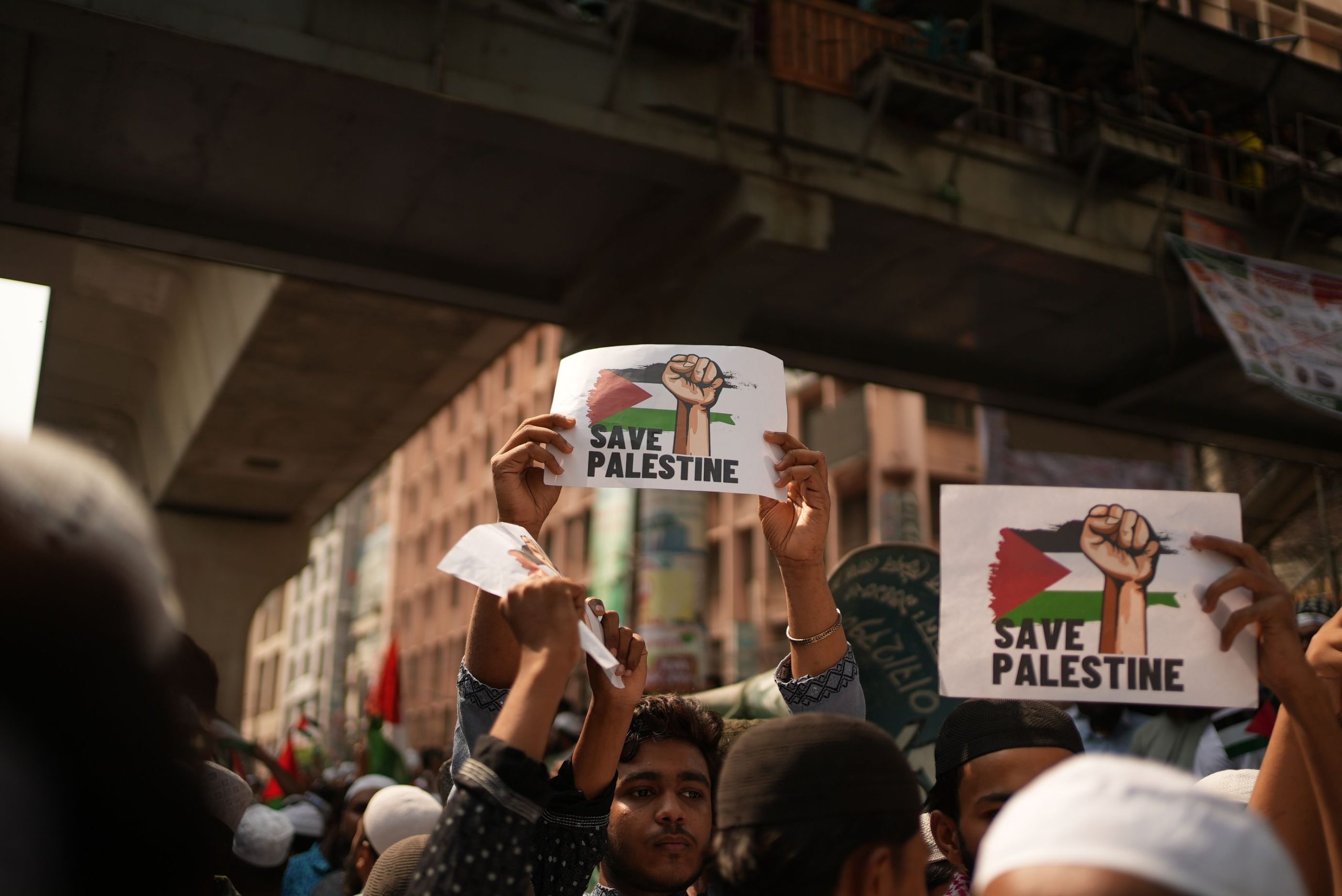
Recent public demonstrations, particularly those supporting the Palestinian cause, reveal troubling attitudes: calls for the dismantling of Israel, misunderstandings about Zionism, and rhetoric that urges Jews to return to their supposed countries of origin. These sentiments are often accompanied by claims of anti-Zionism that, in practice, veer into anti-Jewish prejudice, undermining the very principles of self-determination and national sovereignty.
It is increasingly evident that a new form of antisemitism is gaining ground, emanating predominantly from the political left. This resurgence is fueled by a potent mix of emotional propaganda—images and narratives of suffering, especially of children in Gaza—that appeal directly to the human instinct for compassion. Such imagery often eclipses nuanced understanding and rational debate, simplifying complex geopolitical issues into emotionally charged slogans like “genocide” or “from the river to the sea.”
A critical aspect of this phenomenon is the apparent lack of questioning regarding Hamas’s role and the broader context of the conflict. Discussions seldom address the responsibilities of Hamas or the circumstances of Gaza’s civilian population, such as their access to bomb shelters or the implications of fighting among civilians. Similarly, there is limited recognition of the wider regional and international dynamics, including support from Hezbollah, Iran, and other actors.
This orchestration of propaganda underscores a strategic dimension: shaping perceptions through emotional triggers. Political and ideological leaders, from Hamas figures to sympathizers, capitalize on these sentiments, which can have devastating impacts on public opinion and diplomatic positioning.
Despite the emotional nature of these narratives, there remains a dedicated segment of voices, including academics, diplomats, and advocates, striving to present rational, fact-based perspectives. These efforts, however, often struggle to penetrate the broader public discourse, especially in environments like university campuses and media outlets once considered bastions of reasoned debate.
Given this landscape, it is imperative for Israel to recalibrate its communication strategy. An effective response must be more than just facts and figures; it must recognize and employ the same emotional sensitivities exploited by adversaries. This does not mean sacrificing moral standards or ethical boundaries, but rather engaging in a strategic “PR war” that acknowledges the power of emotional storytelling.
For instance, utilizing compelling narratives and visuals that humanize Israeli civilians, highlight security concerns, and address misconceptions can be instrumental. Transparency about the challenges faced, combined with empathetic messaging, can resonate deeply with audiences worldwide. Such efforts should be supported by substantial resources—dedicated communication teams, content development, targeted outreach, and collaborations with international media and influencers.
While moral considerations are paramount, history demonstrates that silence or passive responses can be misinterpreted or exploited. Proactive, emotionally intelligent communication can help counteract misinformation, foster understanding, and defend Israel’s right to self-determination in the global arena.
In conclusion, the current geopolitical climate demands a more assertive and nuanced public relations approach from Israel. By strategically engaging the emotional currents of public opinion, Israel can better advocate for its security, sovereignty, and legitimacy on the world stage. The challenge is significant, but with dedicated effort and strategic messaging, it is possible to shape perceptions and build support amidst a complex and emotionally charged conflict environment.
What are your thoughts on the role of strategic communication in this context? How can Israel effectively balance moral standards with the need to counter emotionally manipulative propaganda?