Understanding the Viral Spread of Arab Propaganda: A Closer Look at the Online Discourse Surrounding the Israeli-Palestinian Conflict
The Israeli-Palestinian conflict remains one of the most complex and emotionally charged geopolitical issues of our time. As digital platforms become primary sources of information and discussion, it’s important to analyze how narratives—both supporting and opposing various sides—gain prominence and virality. Recently, many have observed a significant online trend expressing strong sympathy towards Palestinians and a critique of Israeli actions. This raises questions about the origins, dissemination methods, and underlying motivations behind such viral content.
The Dynamics of Online Propaganda and Sympathetic Narratives
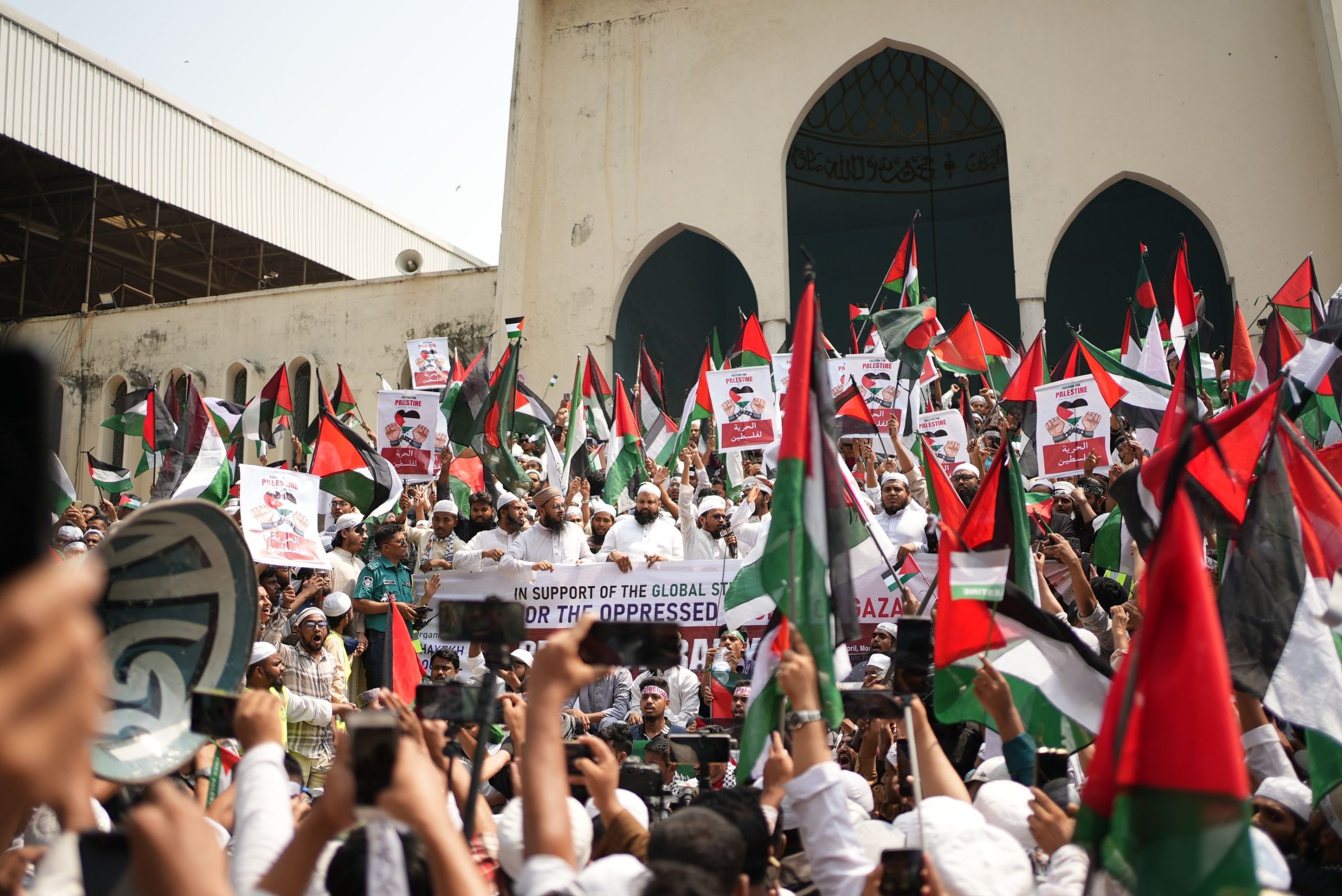
The proliferation of pro-Palestinian content can be attributed to multiple factors. Advocacy groups, some with substantial financial backing, actively promote narratives emphasizing Palestinian rights, suffering, and aspirations for statehood. Online platforms, especially social media, are designed to amplify messages that resonate emotionally, often through visceral imagery, personal stories, and calls for justice.
Conversely, Israeli perspectives and counter-narratives often face challenges in going viral to the same extent. This disparity can be influenced by several considerations:
-
Resource Allocation and Media Strategy: Arab countries and affiliated organizations frequently invest in media campaigns, leveraging their financial resources to produce compelling content and utilize sophisticated dissemination strategies.
-
Narrative Framing and Emotional Appeal: Content advocating for Palestinians often centers on universal themes of human suffering and justice, which tend to evoke strong emotional responses and shareability.
-
Historical and Socio-Political Context: For many users worldwide, the Palestinian plight symbolizes broader issues of oppression and colonialism, which can fuel empathy and support.
Concerns About Bias and Misinformation
A critical aspect of this discourse concerns the perception of bias and the potential for misinformation. Some observers question whether the narratives favoring Palestinians overlook complexities such as:
- The violence committed by certain Palestinian factions, including Hamas, and their impact on regional stability.
- The potential consequences of fully endorsing Palestinian statehood without addressing ongoing security and governance issues.
It’s also worth considering whether certain narratives are influenced by underlying prejudices, including antisemitism, which can lurk beneath seemingly sympathetic messages. Recognizing and challenging these biases is essential to fostering a balanced and informed understanding.
The Role of Oil Wealth and State-backed Propaganda
Arab nations with substantial oil revenues have historically invested in media initiatives promoting their political and cultural perspectives. This funding enables the creation of content that resonates globally and shapes public opinion. Such state-backed propaganda often emphasizes narrative themes that align with broader geopolitical goals.
Disparities in Information Dissemination
While Arab-generated content often garners significant attention, the dissemination of Israeli perspectives faces hurdles:
- Limited Resources: Israeli government and advocacy groups may lack comparable funding or media infrastructure to produce viral content on the same scale.
- Counter-Narratives and Censorship: Content that portrays Israel negatively may face censorship or suppression on certain platforms.
Moving Towards a Nuanced Understanding
To truly grasp the complexities of this issue, it’s important to approach information critically and seek diverse perspectives. Engaging with reputable sources from all sides, understanding the historical context, and recognizing the emotional and political undercurrents can aid in developing a balanced view.
Final Thoughts
The virality of Arab propaganda surrounding the Israeli-Palestinian conflict underscores the power of emotionally charged narratives and the influence of resource-backed media campaigns. While these messages resonate widely, they represent only part of a multifaceted issue. Promoting transparency, encouraging critical thinking, and seeking balanced information are vital steps toward a more informed and constructive dialogue.
Disclaimer: This article aims to provide an objective overview of the online dynamics surrounding the Israeli-Palestinian conflict and does not endorse any specific political stance.