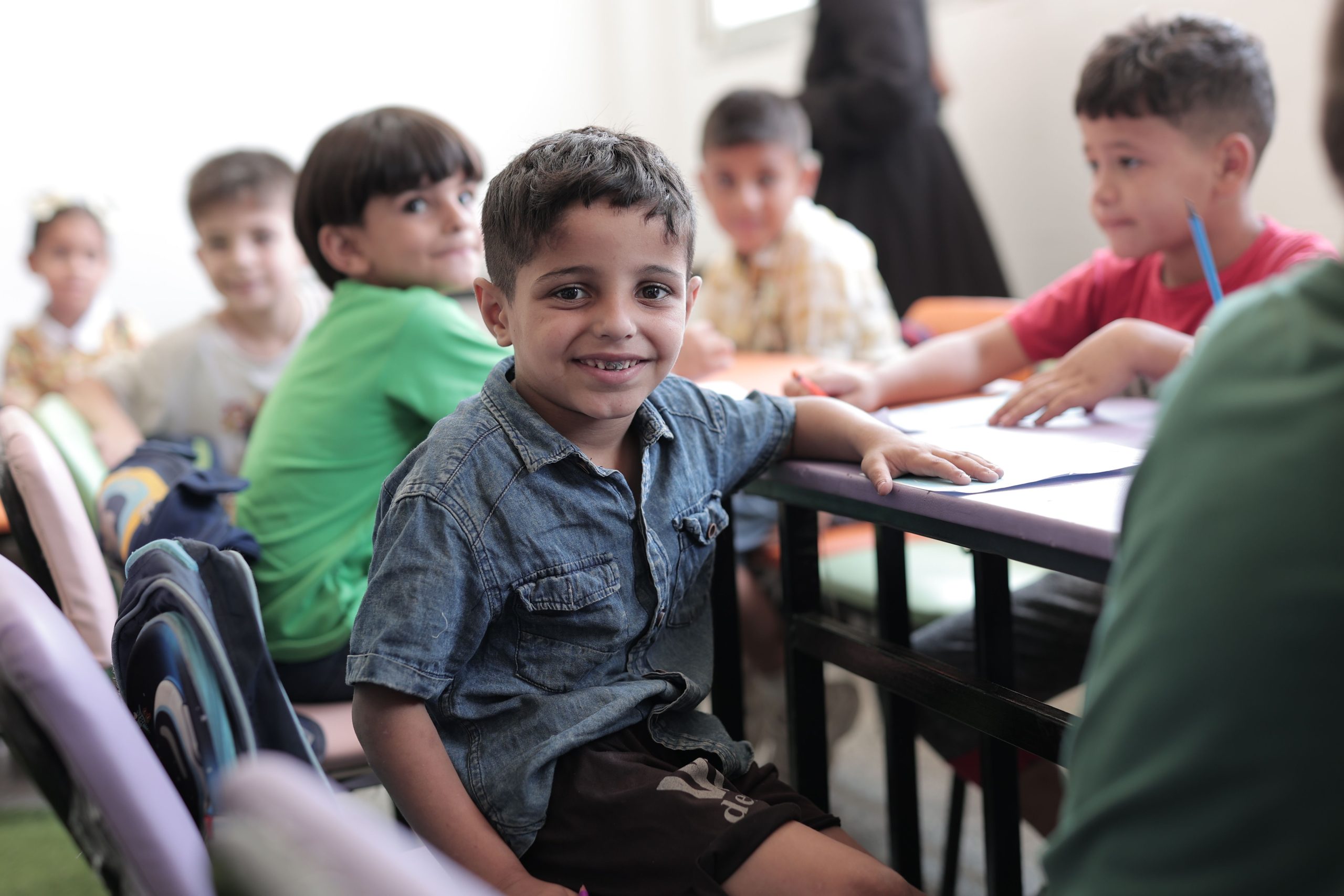
Alarming Malnutrition Crisis Among Gaza’s Children: New Study Highlights Urgent Need for Action
A recent comprehensive investigation published in The Lancet, a leading medical journal, has shed light on a dire public health issue impacting the Gaza Strip. According to the study, nearly one in six children within the region are experiencing acute malnutrition—a condition that can have devastating and long-lasting consequences if left unaddressed.
The Growing Crisis in Gaza
The findings come amidst heightened concerns surrounding humanitarian conditions in Gaza, particularly following the United Nations’ declaration of famine conditions in parts of the territory in August. This grim designation underscores the severe food shortages and widespread deprivation faced by many Gaza residents.
The study highlights that, over the past two years, ongoing conflict and a stringent blockade have severely restricted the flow of humanitarian aid into the region. These restrictive measures have exacerbated existing vulnerabilities, especially among the most vulnerable populations—preschool-aged children.
Impact on Children and Future Implications
According to the report, tens of thousands of young children are suffering from preventable acute malnutrition. This condition not only jeopardizes their immediate health but also elevates their risk of mortality. The consequences of malnutrition extend beyond health, potentially hindering cognitive development and future prospects for affected children.
The Role of International Support and Urgent Call for Action
The study was financed by the United Nations Relief and Works Agency for Palestine Refugees (UNRWA), reflecting the international community’s acknowledgment of the severity of the crisis. While aid efforts continue, the persistent restrictions and ongoing conflict necessitate a renewed focus on urgent intervention strategies to address nutrition deficits and prevent further loss of life.
Moving Forward: A Need for Sustainable Solutions
Addressing the nutritional crisis in Gaza requires a coordinated and sustainable response involving humanitarian organizations, government agencies, and international partners. Ensuring the delivery of essential food supplies, medical care, and nutritional support is crucial in preventing further deterioration of children’s health and safeguarding their future.
Conclusion
The recent study’s alarming findings serve as a stark reminder of the human toll of prolonged conflict and blockade. Protecting Gaza’s children from preventable malnutrition must be prioritized to foster a healthier, more resilient future for the region. Continued awareness, international support, and strategic interventions are vital to reversing these distressing trends and ensuring that no child’s life is cut short due to preventable causes.