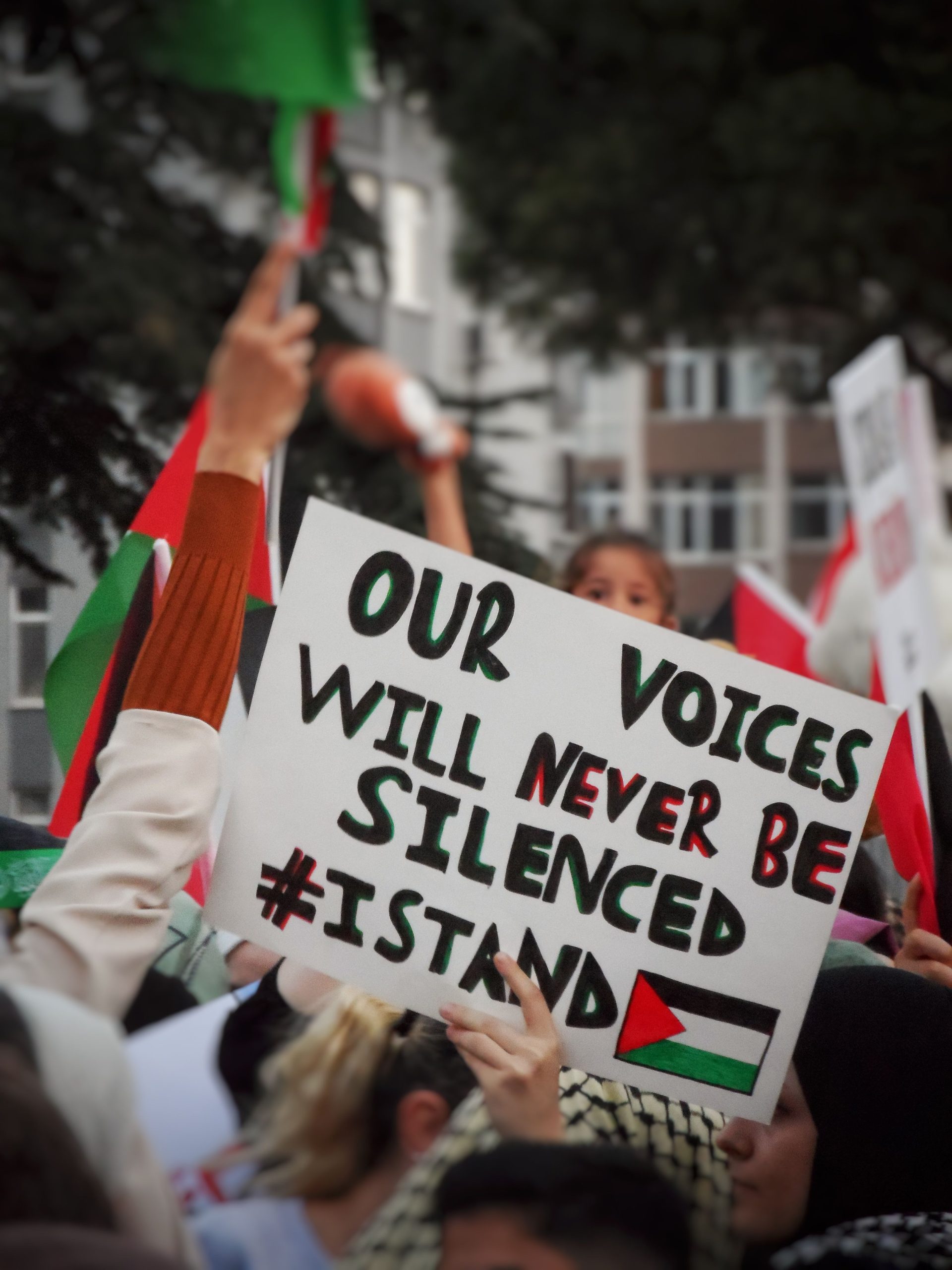
The Humanitarian Crisis in Gaza: A Call to Action
The ongoing situation in Gaza remains one of the most urgent humanitarian crises of our time. Recent reports and firsthand accounts reveal a devastating reality: the people of Gaza are experiencing severe hunger, malnutrition, and a lack of basic medical supplies—an outcome that many commentators and organizations suggest is a consequence of deliberate policies.
The Alarming Conditions in Gaza
Over the past several months, Gaza has faced an escalating crisis characterized by widespread food shortages and deteriorating health conditions. Hospitals in the region are overwhelmed, relying on emergency measures such as administering IV fluids to malnourished patients. Despite these efforts, the situation continues to worsen, with rising death tolls attributed to starvation.
According to the World Health Organization (WHO), as of July 2025, there have been up to 63 deaths linked to malnutrition in Gaza within that month alone. Among these tragic fatalities are 24 children under the age of five, highlighting the extreme vulnerability of Gaza’s youngest residents. The Gaza Health Ministry reported a total of 82 deaths from malnutrition-related causes in the same period, including both children and adults, with daily fatalities persisting beyond this timeframe.
UNICEF further confirmed the gravity of the crisis, reporting that at least 16 children under five had died from hunger in Gaza, including two on a single recent day. These numbers are not isolated incidents but part of a distressing pattern stretching over more than twenty months, driven by a blockade that restricts essential aid, food, medicine, and other vital supplies.
The Role of the Blockade
Many experts and human rights advocates argue that the blockade in Gaza is a calculated policy, designed to restrict access to basic human necessities under the guise of security concerns. While security issues are complex, the undeniable consequence for civilians has been a fabric of suffering—starvation, disease, and despair.
This blockade’s impact is profound: hospitals cannot adequately treat malnutrition, children suffer from chronic hunger, and families are losing loved ones due to preventable conditions—all amid ongoing conflicts and restrictions.
How Can We Help?
The crisis in Gaza demands global awareness and collective action. While individual financial contributions may seem small against the magnitude of the crisis, collective effort and advocacy are crucial. Here’s what you can do:
- Donate to reputable organizations:
- UNICEF for Gaza’s Children
- Palestine Red Crescent Society
-
Raise Awareness:
Use your social media platforms to share verified information, stories of those affected, and calls for action. Spreading awareness can galvanize larger communities and influence policymakers. -
Advocate and Organize:
Participate in or organize peaceful protests, write to your representatives, and support initiatives that call for the lifting of blockades and increased humanitarian aid.
Standing in Solidarity
The plight of Gaza’s people is a stark reminder of our shared humanity. Every effort counts—whether through donations, spreading information, or advocacy. It is essential that we raise our voices against policies that perpetuate suffering and work toward a future where all people can access basic rights and necessities.
We must act now—because silence and inaction only deepen the pain. Let us unite in support of human dignity and justice.
Together, we can help end this cycle of suffering.