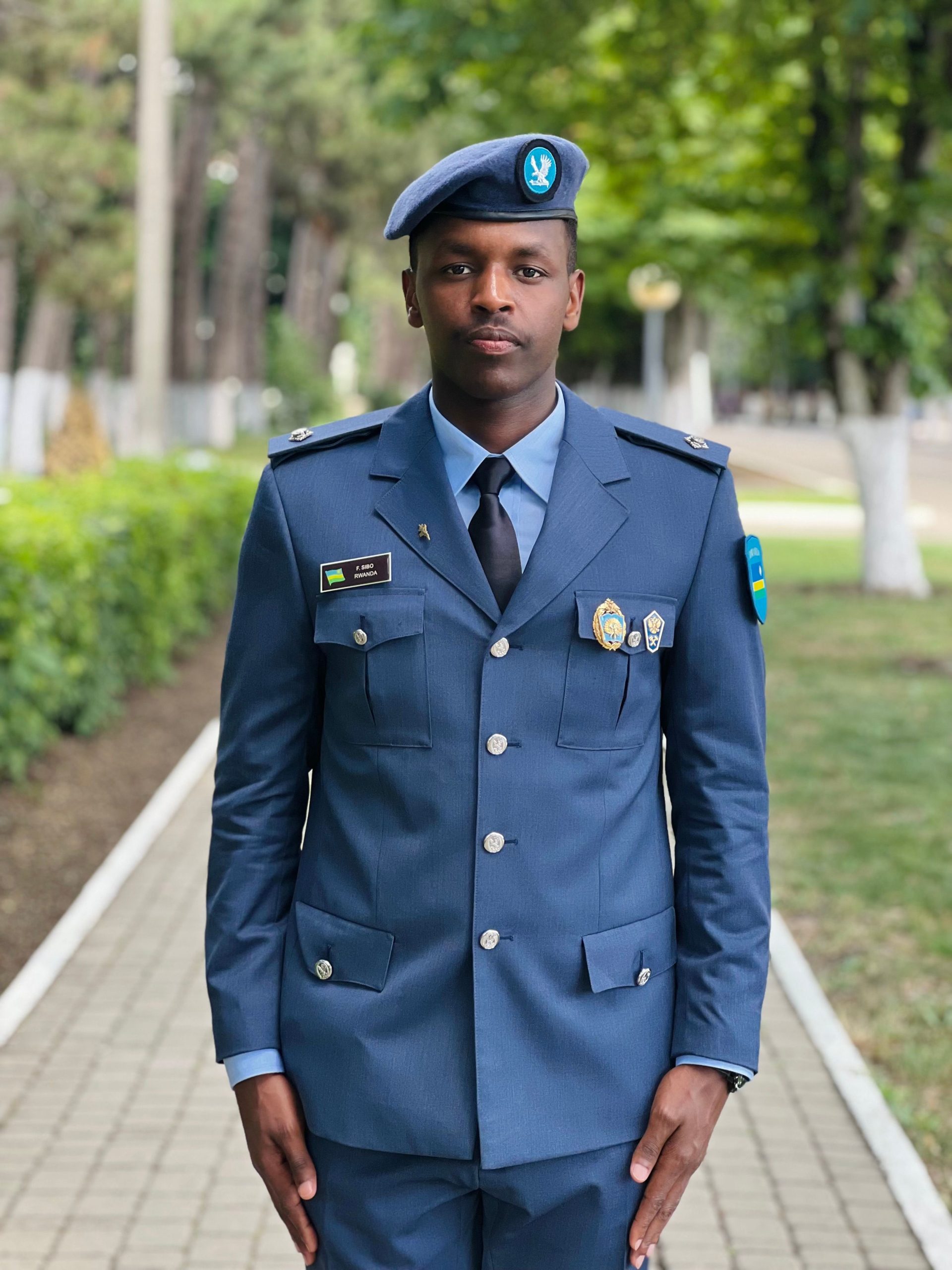
Understanding the Significance of a U.S. Congressman Wearing an IDF Uniform During Official Duties
In recent times, a question has emerged within both American and international contexts regarding the optics and interpretations of public figures wearing military apparel associated with a foreign nation. Specifically, there has been curiosity about how Israelis might perceive a U.S. Congressman appearing in an IDF (Israel Defense Forces) uniform while performing his official duties in the United States.
This inquiry is rooted in a desire to understand cultural norms and societal expectations around military attire and diplomatic representation, rather than to provoke controversy. It prompts a broader reflection on the symbolism of military uniforms in political settings and the nuances of cross-national identity and allegiance.
Context of the Incident
A notable incident involved a U.S. Representative donning an IDF uniform during a session in the House of Representatives. While the event’s specifics—such as the purpose of wearing the uniform—may vary, it generally raises questions about the implications of such an appearance. Does it convey certain messages about partisan support, personal identity, or military backing? Or is it primarily a symbolic gesture aimed at highlighting solidarity with Israel?
Perceptions within Israeli Society
To understand how this might be viewed in Israel, it is essential to consider the cultural and national significance of military service. In Israel, the IDF holds a central place in national identity, symbolizing national security, resilience, and civic duty. The military uniform is associated with personal dedication, service, and national pride.
Given this context, Israelis might interpret a foreign political figure wearing an IDF uniform in several ways:
-
Symbol of Solidarity: Some may see it as a strong, positive gesture demonstrating solidarity and support for Israel, especially if the context indicates respect and acknowledgment.
-
Question of Appropriateness: Others might question the appropriateness of a civilian or political figure wearing military attire, considering it a potentially politicized or sensational gesture rather than a respectful display.
-
Cultural Sensitivity: The image of a foreign politician in IDF uniform could evoke mixed feelings, reflecting varying perspectives on military service and foreign relations.
General Norms and International Perspectives
Internationally, the acceptability and interpretation of military uniform appearances by civilians depend heavily on context. For example:
-
Official Visits and Ceremonial Occasions: Wearing a military uniform is often seen as a sign of respect or participation in official duties.
-
Political Campaigns or Statements: Wearing military attire purely for political messaging may be viewed as provocative or inappropriate, depending on the context.
In the United States, the norms are somewhat more flexible, with military apparel sometimes used in activism, ceremonies, or messaging. However, its implications are subject to public interpretation and the surrounding narrative.
Conclusion
The act of a U.S. Congressman wearing an IDF uniform while performing his official role offers a lens into the complex interplay of diplomacy, symbolism, and cultural values. While Israelis might interpret such an act through their own societal lens—considering factors like patriotism, military service, and international support—the response can vary widely based on individual perspectives and the contextual significance attached to the gesture.
Understanding these nuances fosters better cross-cultural communication and appreciation of how military symbols function differently across societies. Ultimately, such incidents highlight the importance of context, intent, and perception in the intersection of politics and symbolism on the global stage.