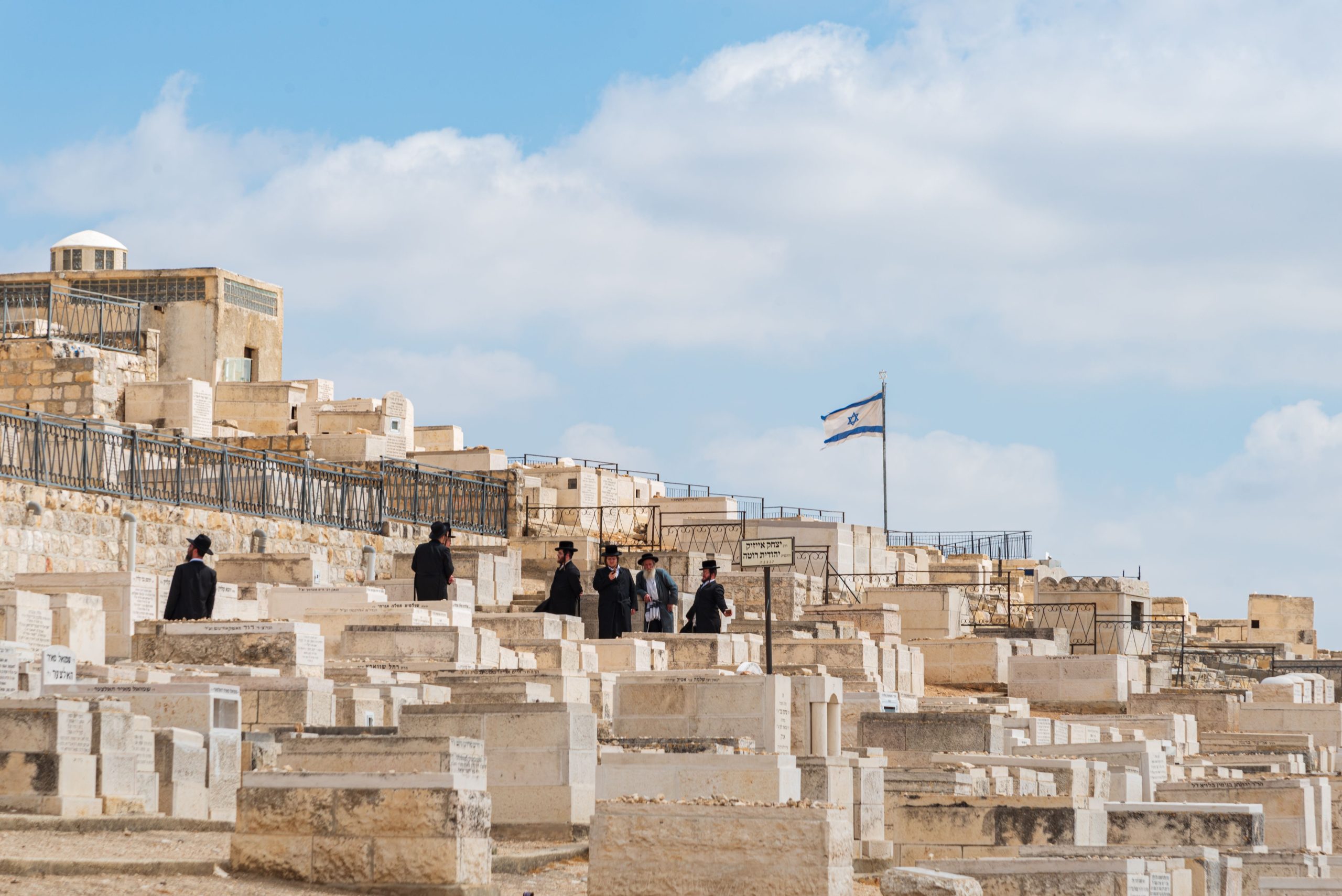
Essential Guide for Non-Jewish Travelers Visiting Israel: Do’s and Don’ts
Traveling to Israel offers a unique opportunity to explore a land rich in history, culture, and spirituality. For non-Jewish travelers planning their visit, understanding local customs, etiquette, and cultural sensitivities is essential to ensure a respectful and enriching experience. This guide provides practical advice on what to do and what to avoid during your trip to Israel.
Understanding the Context
Israel is a diverse country that attracts visitors from around the globe. Its history and society are shaped by a complex tapestry of religious, cultural, and historical influences. As a non-Jewish traveler, approaching your visit with respect and awareness will not only enhance your experience but also foster positive interactions with locals.
Do’s for Non-Jewish Travelers in Israel
1. Respect Religious Sites and Practices
Many sites in Israel are of profound religious significance. Dress modestly when visiting religious locations such as synagogues, churches, and mosques. Women are generally advised to cover their shoulders and knees, and men should avoid wearing sleeveless shirts. Observe silence and reverence in these areas.
2. Learn Basic Cultural Etiquette
Politeness and respect go a long way. Greet locals with a friendly “Shalom” (peace) or appropriate greetings in Hebrew or Arabic. When entering someone’s home or place of worship, it’s customary to remove your shoes unless directed otherwise.
3. Be Open-Minded and Curious
Israel’s society is diverse, with a mix of secular and religious communities, Jews, Arabs, Christians, Muslims, and others. Embrace this diversity with an open mind, and show genuine interest in learning about different traditions and perspectives.
4. Use Respectful Language
Be mindful of political sensitivities. Avoid making contentious remarks about the Israeli-Palestinian conflict or other divisive issues. Focus on positive interactions and respectful dialogue.
5. Support Local Businesses
Enjoy local cuisine, buy handmade crafts, and use locally operated services. This not only enriches your experience but also supports the community.
Don’ts for Non-Jewish Travelers in Israel
1. Avoid Disrespecting Religious Symbols and Practices
Photography may be restricted in certain religious sites or during specific rituals. Always ask for permission before photographing people or religious objects.
2. Don’t Engage in Political Debates
Political topics can be sensitive and polarizing. It’s best to steer conversations towards cultural, historical, and travel-related subjects.
3. Refrain from Wearing Inappropriate Clothing in Certain Areas
Dress codes are taken seriously in religious and conservative areas. Inappropriately revealing attire may be frowned upon or even lead to denied access.
4. Avoid Making Assumptions or Stereotypes
Every individual and community has their own unique identity. Approach interactions with respect and curiosity rather than preconceived notions.
5. Don’t Disregard Local Customs
Familiarize yourself with local customs regarding food, greetings, and social interactions to avoid inadvertent disrespect.
Final Thoughts
Traveling to Israel as a non-Jewish visitor can be a profoundly insightful experience when approached with respect and cultural sensitivity. By understanding and adhering to local customs, you demonstrate appreciation for the country’s rich tapestry of traditions and beliefs. Prepare beforehand, stay respectful, and remain open-minded to make the most of your journey in this extraordinary land.
Embark on your Israel adventure prepared and informed—your respectful approach will undoubtedly lead to a more meaningful and memorable experience.