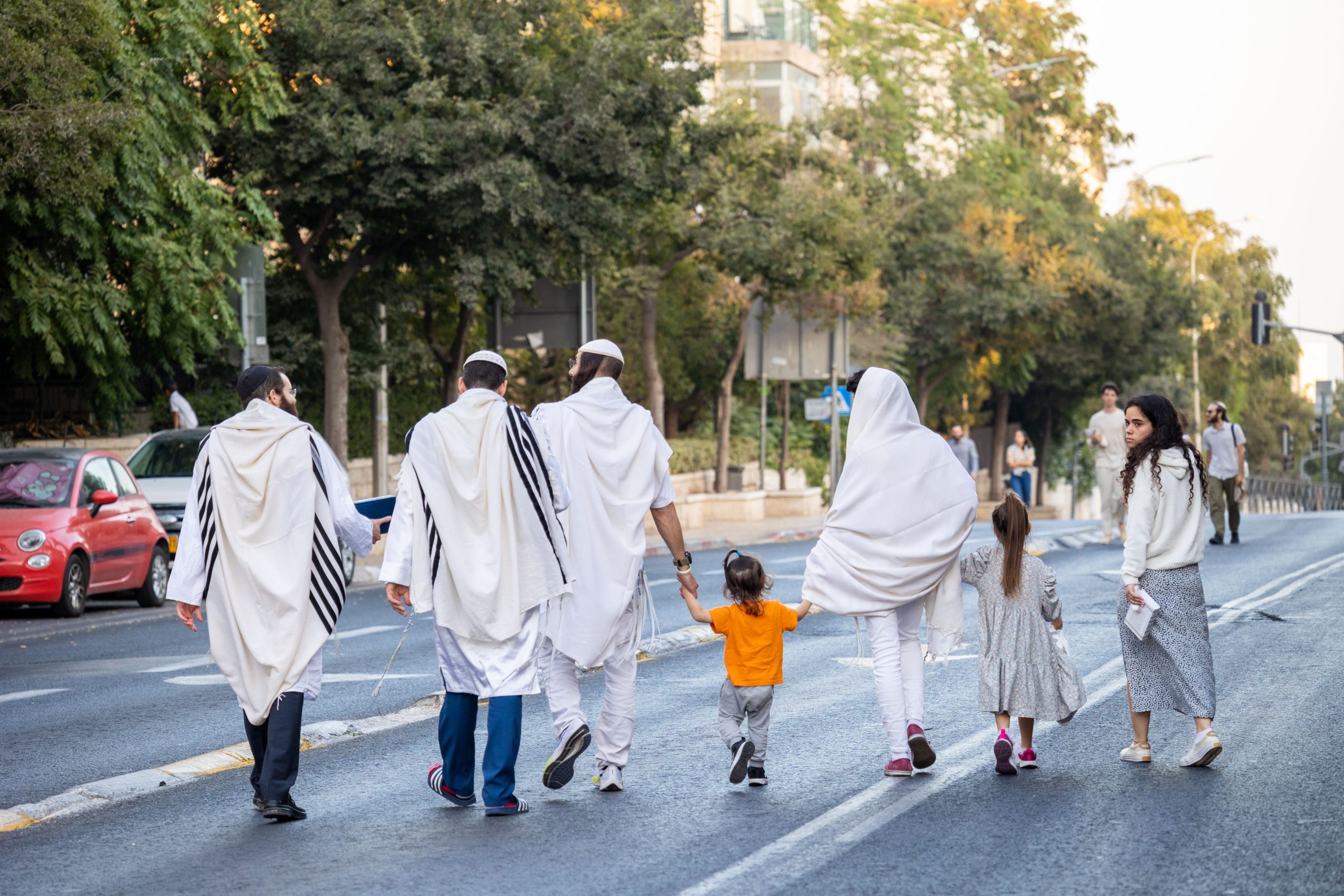
Understanding the Interactions Between Jewish Religious Communities in Israel: A Closer Look at Daily Life Dynamics
Israel is a nation characterized by a rich tapestry of religious and cultural diversity, especially among its Jewish populations. From secular to ultra-Orthodox communities, each group maintains its own practices, social norms, and ways of life. For those observing from the outside, the everyday interactions among these groups can seem complex and layered. This article aims to shed light on how different Jewish religious communities coexist and engage with each other in day-to-day life within Israeli society.
Diverse Jewish Communities in Israel
Israel’s Jewish population comprises a broad spectrum of religious identities, including:
- Secular and Liberal Jews: Often centered in cities like Tel Aviv, these communities prioritize secular values, individual autonomy, and modern lifestyles.
- Haredi (Ultra-Orthodox) Jews: Predominantly in Jerusalem and other specific neighborhoods, they adhere strictly to traditional religious laws and customs.
- Modern Orthodox and Religious Zionists: Balancing religious observance with engagement in broader society, often active in national discourse.
- Masorti and Traditional Communities: Maintaining a conservative approach to religious practice, often emphasizing cultural identity alongside religion.
The Crucial Question: Social Interactions Across Communities
One common query pertains to how these diverse groups interact in everyday settings:
Do secular, traditional, Modern Orthodox, and Haredi Jews generally engage with each other in workplaces, educational institutions, neighborhoods, and social contexts?
Realities of Daily Interactions
Research and anecdotal reports suggest that social interactions vary widely based on location, community norms, and individual circumstances:
- In Multireligious Neighborhoods: Many Israelis live in mixed communities where daily interactions—such as shopping, working, or attending school—are routine. In such environments, neighbors from different backgrounds often coexist peacefully, developing personal relationships beyond their religious identities.
- Workplace Dynamics: Professional settings tend to promote cooperative interactions. Employees from different communities often collaborate effectively, with religious observances sometimes influencing scheduling, but overall, shared goals foster unity.
- Educational Settings: Schools serving diverse populations may encourage intercultural engagement. However, students often participate in community-specific practices during religious or cultural events, fostering understanding and respect.
Do People Usually Know or Understand Other Communities’ Lifestyles?
Understanding varies widely:
- Secular Israelis often have friends or relatives from Haredi communities, but genuine familiarity with their religious customs and daily routines can be limited. Many secular individuals respect Haredi lifestyles but may feel disconnected from the religious practices.
- Conversely, members of Haredi communities sometimes view secular Israelis as distant or even unfamiliar with Torah values and religious traditions, though individual relationships can foster mutual understanding.
Perceptions and Attitudes
- Haredi Communities Toward Secular Israelis: Generally, they see themselves as living in a society with shared national identity but differing in religious observance. Some might perceive secularism as a deviation from traditional values, but many emphasize coexistence.
- Secular or Modern Orthodox Views of Haredim: Often characterized by respect for religious commitment, though sometimes accompanied by stereotypes or misunderstandings regarding Haredi lifestyles and attitudes toward modernity.
Bridging the Divide: Personal Experiences Matter
While political discourse and media narratives can emphasize divisions, individual stories reveal a more nuanced picture of coexistence:
- Many Israelis navigate a complex landscape of identities, building friendships and community relationships across religious lines.
- Cultural and religious festivals, community events, and shared national moments often serve as bridges that foster mutual respect and understanding.
- Personal stories highlight that, despite differences, daily life in Israel encourages a level of coexistence rooted in the shared reality of living in a diverse society.
Conclusion
The social fabric of Israel, woven from a multitude of Jewish communities, reflects a complex but ultimately interconnected society. While distinctions along religious lines are pronounced, everyday interactions—whether in neighborhoods, workplaces, or social settings—demonstrate a capacity for coexistence, dialogue, and mutual respect. Understanding these dynamics requires moving beyond stereotypes and political narratives to appreciate the personal relationships and community efforts that shape daily life in Israel.
By sharing insights into these interactions, we gain a richer perspective on how diverse Jewish communities navigate their shared society, highlighting the resilience and adaptability inherent in Israel’s social landscape.