The Tragedy of Drowning: A Personal Account of Floods and Displacement in Gaza
Natural disasters often reveal the fragile boundaries of human resilience and the harsh realities faced by vulnerable communities. On a particularly brutal winter night in Gaza, relentless rains and fierce winds culminated in severe flooding that devastated a small refugee camp. The tents—home to many families—were no match for the advancing waters, collapsing under their weight and leaving residents in a state of despair.
Amid the chaos, local residents confronted the emergency with limited resources and immense determination. Umm Ahmad, a mother of four, exemplified this resilience as she desperately sought to shield her children from the cold and rising waters. Inside her tent, she tried to protect her children from the freezing seepage, her voice trembling as her young ones cried out, “Mama, the water is here!” She clung to what little remained—wet blankets and fragments of hope—while attempting to offer solace amidst the destruction.
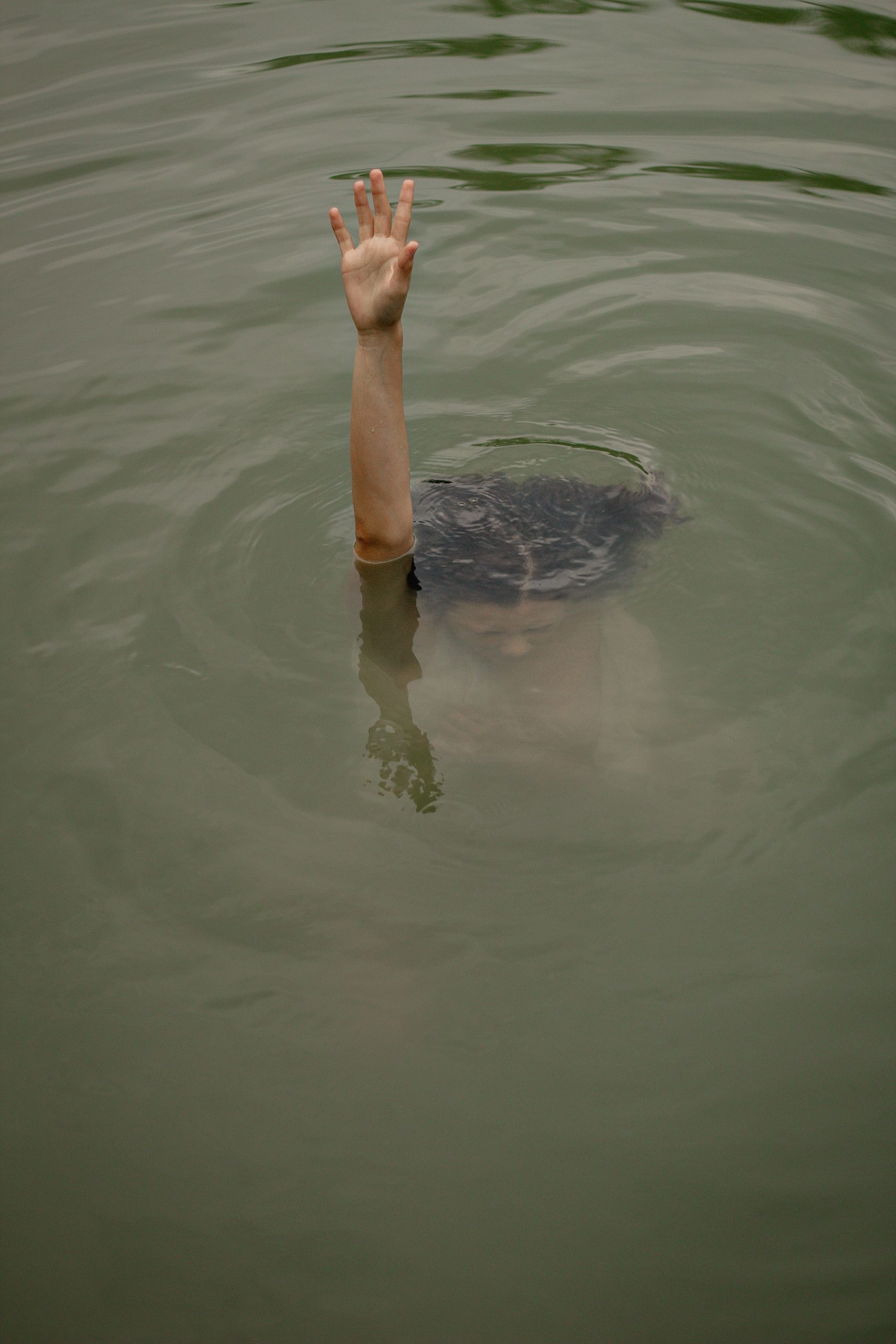
Nearby, community members collaborated in a valiant effort to build temporary barriers using sandbags, aiming to halt the advancing floodwaters. Despite their collective effort, the sheer force of nature proved overwhelming, and one by one, tents succumbed to the rising waters. The scene was punctuated by the distress signals of children and women, voices echoing through the night like a haunting chorus of loss.
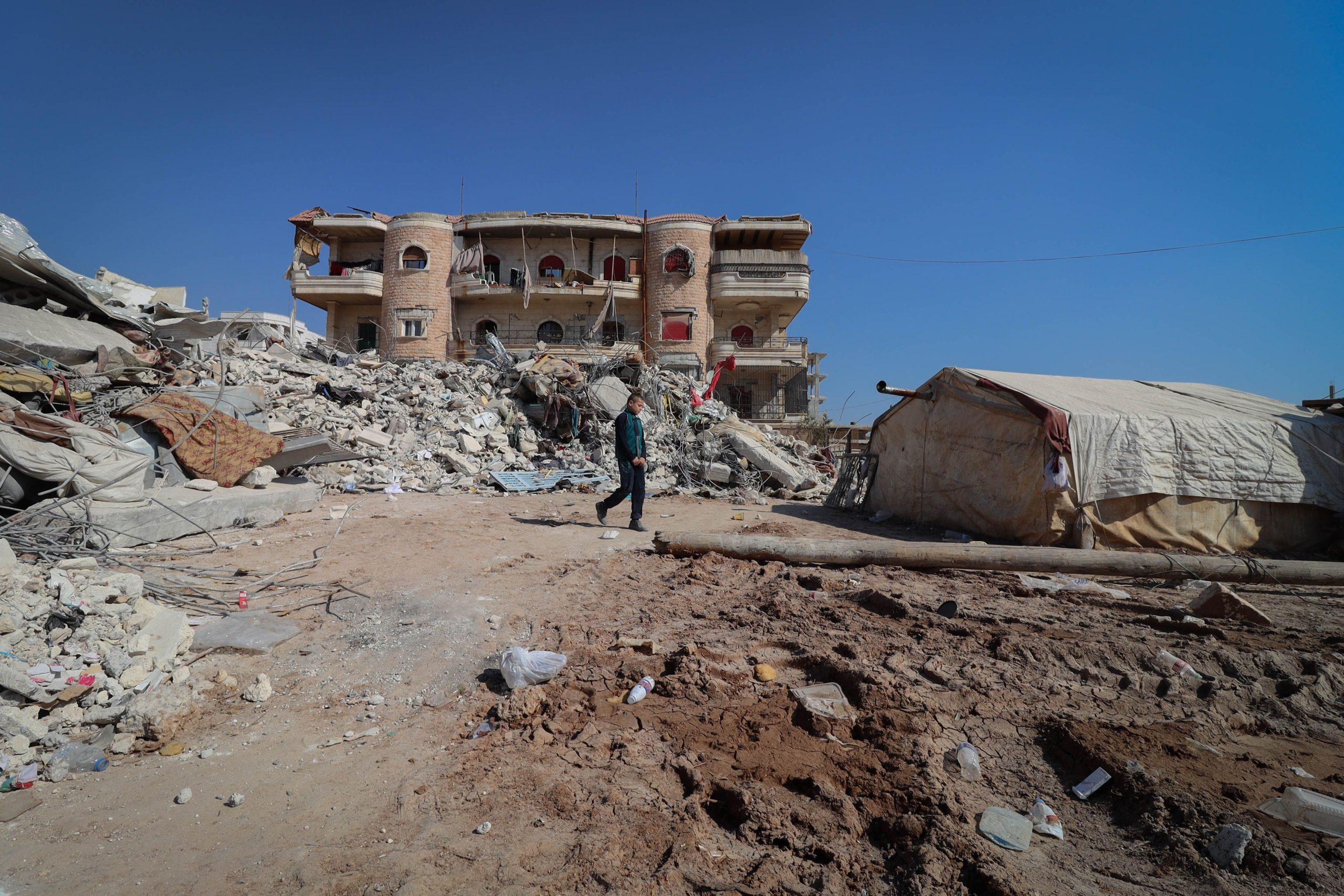
As dawn broke, the extent of the devastation became painfully evident. Muddy waters enveloped the ground, rendering the shelters uninhabitable. Children wandered barefoot in the chill, their shivering small bodies a stark reminder of their vulnerability. Mothers scrambled to find any refuge or safe space for their families amid the destruction. Sitting on the muddy ground with her hands on her head, one couldn’t help but wonder: how can these families endure such hardship? What is left when everything they own has been washed away?
This account is more than a personal narrative; it is a reflection of the ongoing struggle faced by many in Gaza who live daily under the shadow of displacement and natural calamity. For these resilient communities, each flood is a reminder of their vulnerability, and each disaster amplifies the urgent need for sustainable solutions and humanitarian aid.
As we reflect on such stories, let us acknowledge the profound human cost of environmental catastrophes and the importance of international solidarity in addressing these urgent challenges. Disaster preparedness, resilient infrastructure, and compassionate support are essential to protect those most at risk and to help rebuild lives shattered by nature’s fury.