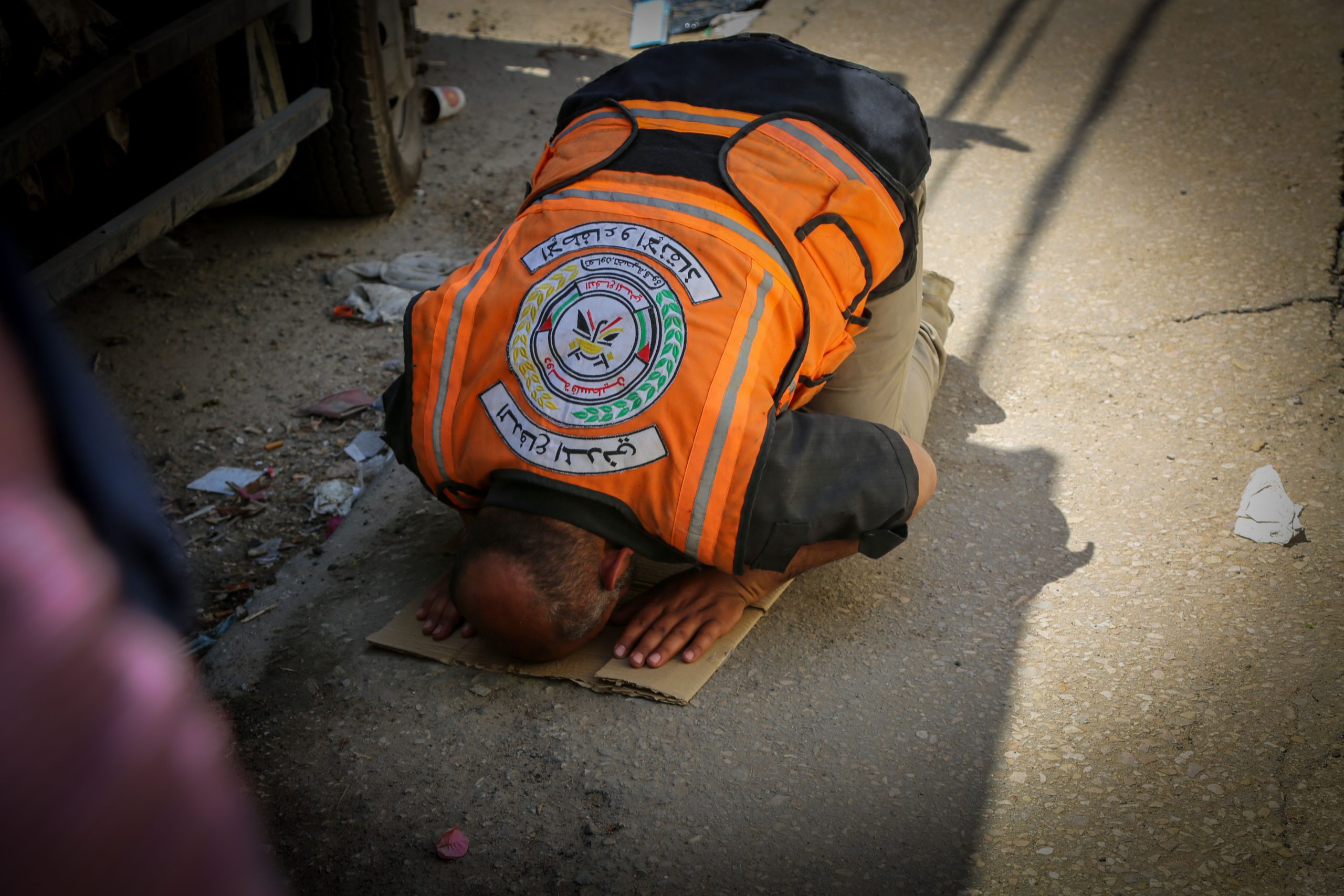
Emerging Health Crisis in Gaza: The Silent Spread of a Dangerous Virus
Gaza, a region already grappling with the devastating impacts of conflict, is now confronting an alarming health threat that often goes unnoticed: the rapid spread of a severe viral infection. This emerging health crisis highlights the dire conditions faced by residents and underscores the urgent need for international awareness and intervention.
A Sudden and Severe Threat
The virus appears unexpectedly and progresses with alarming intensity. In recent cases, individuals—including families—have experienced debilitating symptoms such as high fever, intense bone and body pain, and overwhelming fatigue. These manifestations indicate a highly infectious and potentially dangerous pathogen that demands immediate attention.
Environmental and Living Conditions as Catalysts
What makes this situation particularly devastating is its root cause. The virus is not an isolated biological incident but a direct consequence of Gaza’s living environment. Endemic pollution is widespread, with waste and sewage cluttering the streets, creating a breeding ground for disease transmission. Overcrowded tents, insufficient access to clean water, inadequate sanitation facilities, and limited medical resources further exacerbate the problem. In such conditions, diseases can spread rapidly, outpacing efforts to control them.
A Silence That Endangers
One of the most troubling aspects of this crisis is the general lack of awareness and response. There are few warnings issued, scant medical response capacities, and minimal international media coverage. The community is left to contend with these growing health threats in silence, without proper support or guidance. This neglect not only worsens mortality and morbidity but also perpetuates a cycle of suffering.
Beyond the Bombs: A New Layer of Suffering
While the world often focuses on the immediate impacts of conflict—such as bombings and destruction—the aftermath is more insidious. The living conditions imposed on Gaza’s population after conflict are creating new health emergencies. Disease outbreaks stemming from environmental neglect threaten to compound the human toll, making recovery even more challenging.
A Call for Global Attention
It is imperative that this silent health crisis receives the attention it deserves. Citizens, policymakers, and health organizations must ask questions, raise awareness, and mobilize resources to address this emergent threat. More than just an epidemiological issue, this virus represents a profound failure of public health infrastructure and international solidarity.
Gaza’s Struggle Is Ongoing
The narrative that Gaza is “recovering” overlooks the harsh reality: the region is barely surviving. The community continues to face enormous challenges, not only from conflict but now from preventable diseases exacerbated by neglect and environmental hardship.
Conclusion
The spread of this dangerous virus in Gaza is a stark reminder of the broader consequences of ongoing crises. It calls for urgent, coordinated action—health interventions, infrastructure improvements, and increased awareness—to protect vulnerable populations. We must listen, ask questions, and stand in solidarity with those enduring this silent threat. Their resilience depends on it.
Published to shed light on an unseen health emergency in Gaza, urging global awareness and action.