Exploring the Playfulness of Nicknames, Slang, and Nonsense Language Across Cultures
Language is a living, breathing entity that often reflects our personalities, relationships, and cultural nuances. One fascinating aspect of everyday speech is how we create and modify nicknames, slang, and playful expressions—often spontaneously and informally. This phenomenon is universally shared, crossing linguistic boundaries and offering insights into how humans communicate affection, humor, and identity.
A Personal Reflection on Pet Nomenclature
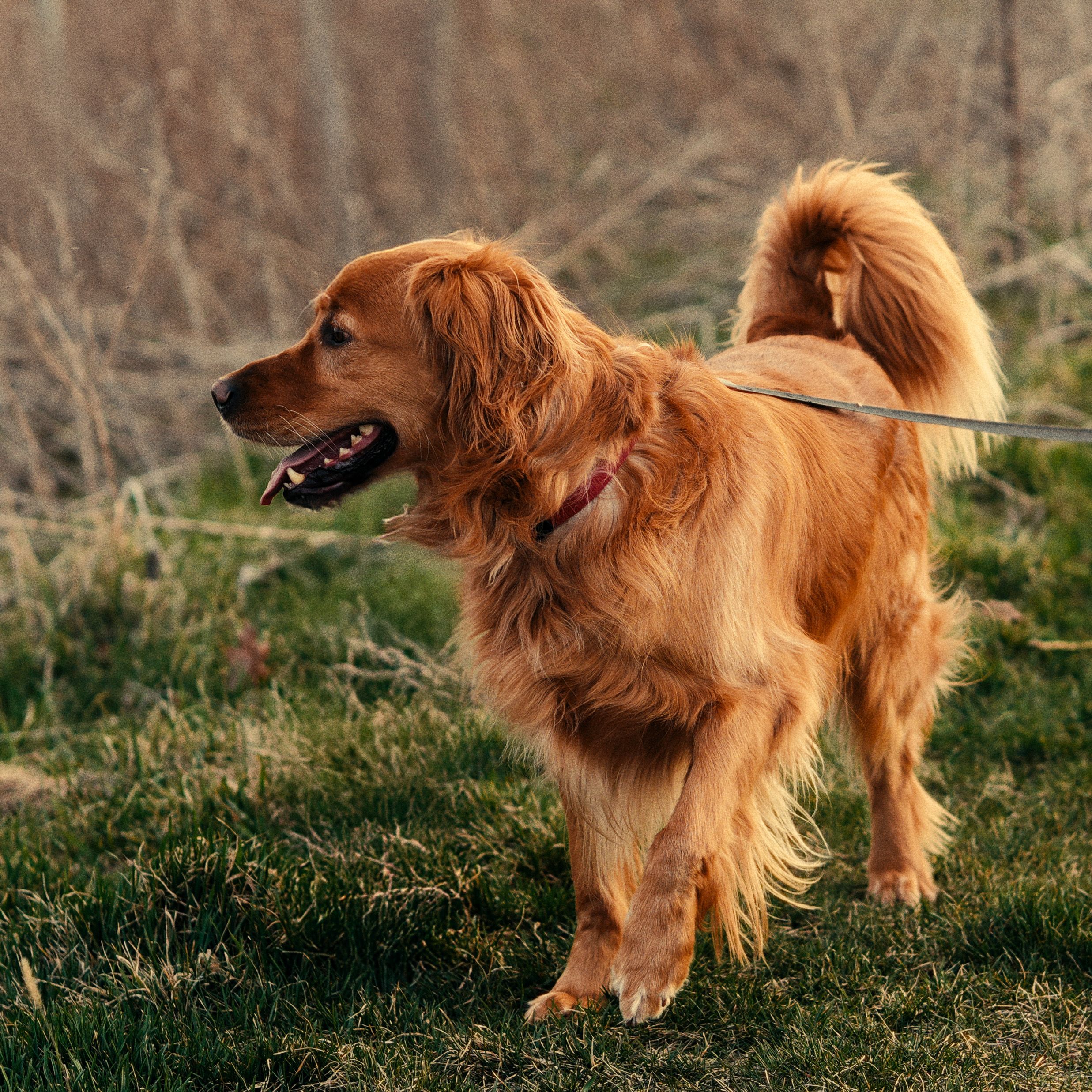
Many pet owners can relate to the organic evolution of nicknames for their beloved animals. For instance, one individual recounted how their cat initially received the nickname “Doofus,” which later morphed into affectionate variants like “Doofy” and “Doof.” Similarly, a dog named Bubba accumulated a range of playful alterations over a 14-year companionship, including “Bubzee,” “Bubzee Wubzee,” “Bubba-Z,” and simply “Bubs.” Even pets like bunnies received their own endearing monikers—”Boo-boo” and “Lulu”—frequently chosen because the names simply fit and became part of the pet’s identity through natural use.
Humor and Language: Making Up Words and Using Nonsense
Beyond pet nicknames, the playful alteration and invention of words extend into everyday language, especially in informal settings. The creator of the initial reflection shared how they often ramble to their cat using intentionally incorrect grammar, playful pronunciations, and invented words. Phrases such as “You are very baby,” or humorous self-deprecating comments like “the dumbest Doofy who ever doofied,” exemplify how language can be bent to serve emotional expression and humor.
They further describe questioning the cat’s actions with sentences like, “Why you do that? Why Doofy gotta do that? Do you even know anything at all? I don’t fink he know what he do! Do he know what he do?” This creative use of language not only emphasizes affection but also adds a layer of humor and personality to everyday interactions.
Cross-Cultural Considerations: Slang, Nicknames, and Nonsense in Hebrew
This phenomenon isn’t unique to English-speaking contexts. Many cultures and languages feature their own playful slang, slang derivatives, and idiomatic expressions that may sound amusing or confusing to outsiders. The person who shared these thoughts is currently studying Hebrew and wondered about similar cases among Israelis. Specifically, they pondered what silly slang words or nicknames in Hebrew might cause confusion or amusement among non-native speakers or those unfamiliar with colloquial speech.
Cultural Significance and the Universality of Playfulness in Language
The spontaneous creation of words, nicknames, and playful linguistics demonstrates a universal human trait: the desire to infuse language with personality, humor, and affection. Whether it’s the affectionate “Bubba” of a dog, the whimsical “Doofus” for a cat, or the humorous slang expressions in Hebrew, these linguistic artifacts serve as social tools that strengthen bonds and provide entertainment.
Language learners and linguists alike can appreciate how these informal patterns reveal cultural values, social dynamics, and the creative potential inherent in everyday speech. Engaging with these playful elements offers a richer understanding of language as a reflection of human connection.
Conclusion
The way we invent and adapt words and nicknames—especially in informal settings—underscores the playful, creative aspect of language. Sharing stories of pet nicknames and language quirks from different cultures enhances our appreciation for the diversity and universality of linguistic playfulness. Whether in English, Hebrew, or any other language, this spontaneous linguistic creativity continues to bring joy and personality to our everyday communication.
We invite readers to reflect on their own experiences with nicknames, slang, and playful language in their culture. How do these expressions shape personal and social identities? Share your stories and insights to enrich this ongoing exploration of language’s playful side.