Understanding Ultra-Orthodox Teenagers in Israel: A Comparative Perspective
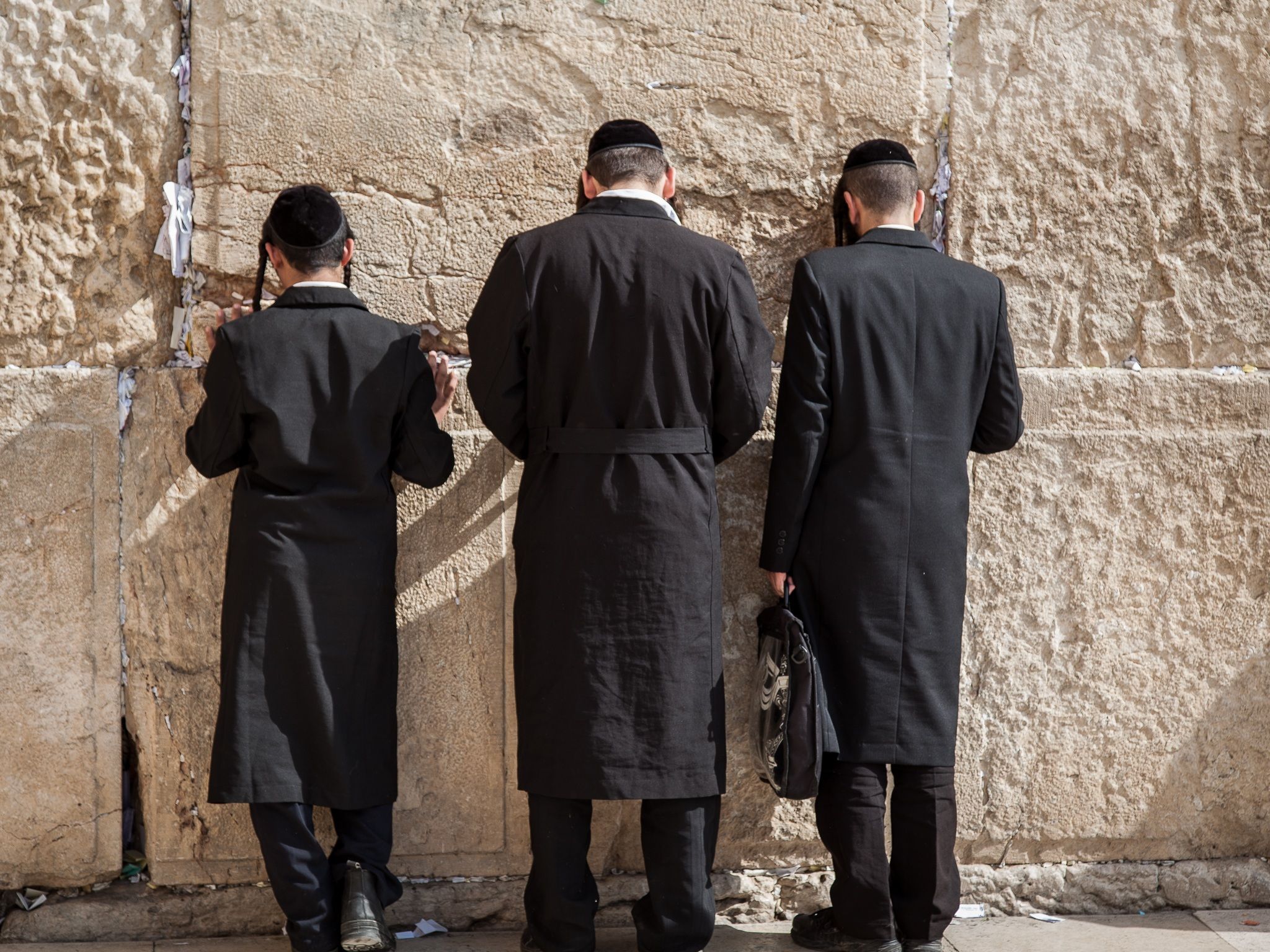
In Israel, a vibrant and diverse society, the Ultra-Orthodox community—also known as Haredi Jews—represents a unique cultural and religious segment. When examining the lifestyles and societal integration of Ultra-Orthodox teenagers compared to their mainstream Israeli counterparts, several distinctions and similarities emerge.
Lifestyle and Daily Routines
Ultra-Orthodox teenagers often grow up within communities that emphasize religious study, strict adherence to traditional customs, and community cohesion. Their daily routines typically revolve around Torah study, prayer, and communal gatherings. Unlike most Israeli teens who might prioritize school, social outings, or extracurricular activities, Ultra-Orthodox youth may spend substantial portions of their day engaged in religious learning, sometimes from a young age.
Use of Technology and Social Media
A common question pertains to their engagement with technology and social media platforms like Instagram, Facebook, or TikTok. While these platforms are integral to many teenagers’ social lives in Israel, Ultra-Orthodox teens generally have different approaches. Many communities impose strict restrictions on internet use to preserve religious values and prevent exposure to secular influences. However, this varies across communities; some Ultra-Orthodox youth use controlled or community-approved digital tools, and an increasing number are engaging with social media for religious learning, community connection, or personal expression under guided boundaries.
Social Life and Entertainment
In terms of social activities, Ultra-Orthodox teenagers often participate in community-organized events, religious classes, and family gatherings. They may have limited interaction with secular youth outside their communities, especially in areas where social integration is less common. This insularity can lead to perceptions of a life markedly different from that of “regular” Israeli teens who frequently attend school, participate in diverse cultural events, or pursue leisure activities openly.
Societal and Political Attitudes
It is true that some segments of Israeli society express criticism of the Ultra-Orthodox community, often related to their perceived social and economic roles. Criticisms frequently focus on their traditional focus on religious studies over military service or employment. Many Ultra-Orthodox men refrain from military service, citing religious reasons, and some community members may rely on state support, which can fuel societal debates.
Conclusion
Ultra-Orthodox teenagers live within a cultural framework that emphasizes religious devotion, community cohesion, and traditional values. While technology and social media are not entirely absent from their lives, their use is often regulated and aligned with community standards. Their social environments and daily routines can differ significantly from those of their secular Israeli peers, reflecting the rich diversity of Israeli society as a whole.
Understanding these differences fosters greater insight into the complex tapestry of Israeli cultural and religious identities. Embracing this diversity is essential for fostering mutual respect and societal cohesion.