The Language Dilemma of Israel’s Founding: Why Hebrew, Not Yiddish, Became the Official Language
The linguistic landscape of early Israel was shaped by complex historical, cultural, and ideological factors. A common question among observers and scholars alike concerns why, despite the significant presence of Ashkenazi Jews—many of whom spoke Yiddish—in the early Jewish community, Hebrew was chosen as the official language rather than Yiddish.
Historical and Cultural Context
In the late 19th and early 20th centuries, the Jewish population in Palestine and subsequent Jewish immigration to the region comprised diverse communities from different parts of the world. Among these groups, Ashkenazi Jews—originating from Central and Eastern Europe—often used Yiddish as their everyday language. Meanwhile, Sephardic and Mizrahi communities continued speaking Ladino and other regional languages.
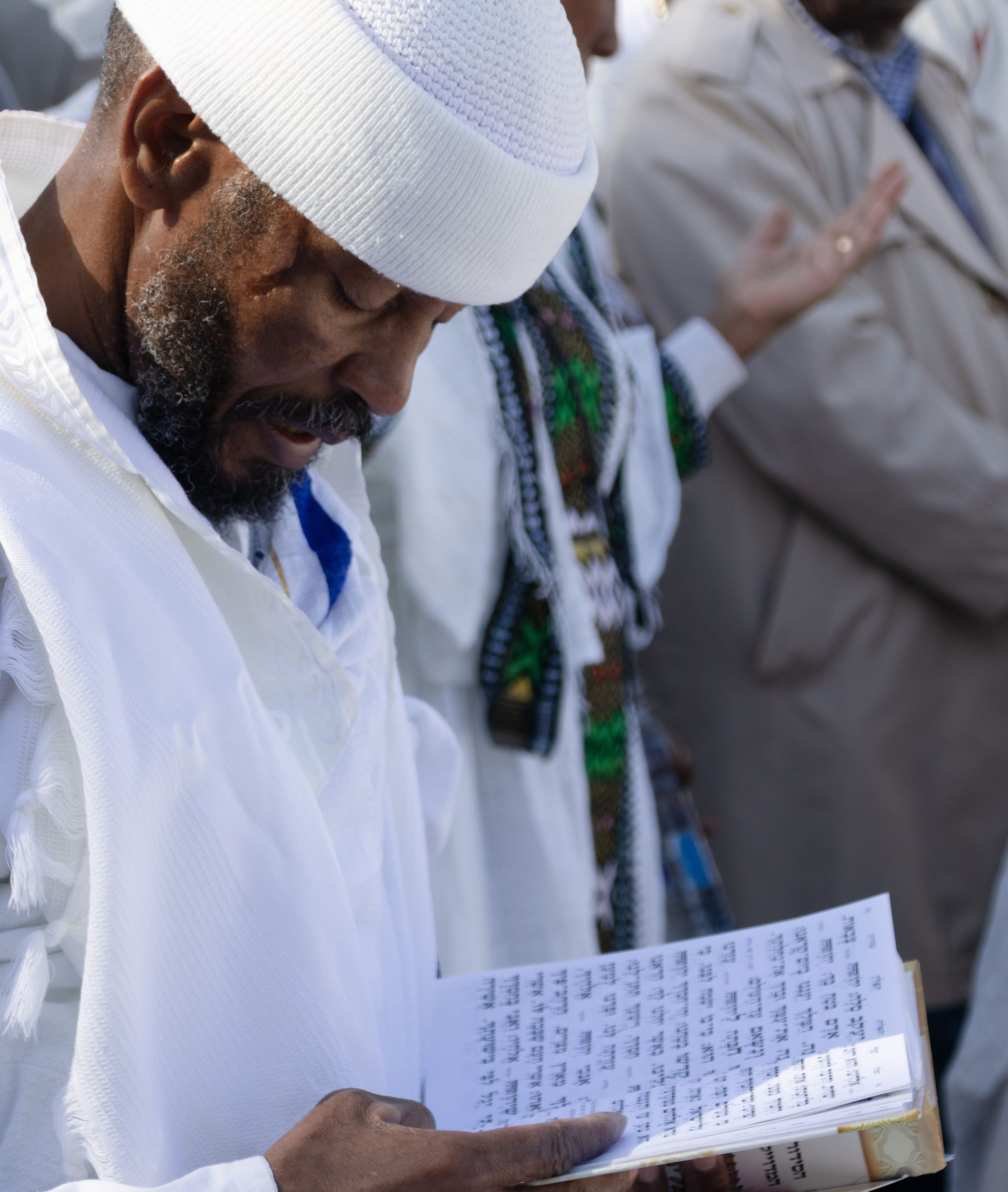
The early Zionist movement prioritized reviving Hebrew as a sacred, liturgical, and cultural language—even as Hebrew had fallen out of daily spoken use for centuries. This linguistic revival was driven by ideological commitments to create a modern, unified Jewish identity rooted in the ancestral language of the Jewish people.
Why Not Yiddish?
While Yiddish was a vibrant cultural and literary language for many Ashkenazi Jews, several reasons contributed to its exclusion from official status:
-
Ideological Zionism and Revival of Hebrew: Many Zionist leaders saw Hebrew as the national language that could unify Jews from diverse backgrounds. Their vision was to elevate Hebrew from liturgical language to a living, national tongue. This was seen as a means of cultural renaissance and strengthening Jewish sovereignty.
-
Perception of Yiddish as a Diaspora Language: Some Zionists viewed Yiddish as primarily a language of the diaspora, associated with broader Eastern European Jewish life rather than the transective identity of a future Israeli nation. Promoting Hebrew was seen as an act of cultural and political independence.
-
Political and Social Considerations: Early efforts to establish Hebrew in education, governance, and public life were supported by Zionist organizations, creating a sense of national cohesion. While Yiddish was widely spoken, especially among Ashkenazi communities, it was not given official status, partly due to the desire to foster a distinct national identity.
-
Roots in Religious Tradition: Hebrew’s deep connections to Jewish religion and history also played a role. Many believed that restoring Hebrew to its modern context was essential for religious and cultural renewal.
Was There a Movement to Promote Yiddish?
During the early 20th century, there were debates and different perspectives regarding the linguistic future of the Jewish people in Palestine. Some factions valued Yiddish and even sought to elevate it as a cultural language. However, these views did not gain enough political traction to challenge the prominence of Hebrew in the Zionist project.
The Evolution of Language in Modern Israel
Today, Hebrew stands as Israel’s official language, a testament to the success of the linguistic revival movement. Meanwhile, Yiddish remains an influential cultural and literary language, especially within Hasidic and Haredi communities, but it does not enjoy official recognition or widespread use in the country’s official spheres.
Contemporary Perspectives
In modern Israel, perceptions about this linguistic history are diverse. Some view Hebrew’s centrality as a unifying triumph, while others recognize the cultural richness that Yiddish and other Jewish languages have contributed to Israeli society. The decision to prioritize Hebrew reflects both ideological aspirations and practical considerations aimed at fostering national identity and cohesion.
Conclusion
The choice of Hebrew over Yiddish as Israel’s official language was driven by a complex interplay of ideological revival, cultural identity, and political strategy. While Yiddish remains an important cultural language for many, Hebrew’s renaissance was instrumental in shaping the modern state of Israel and its national character.