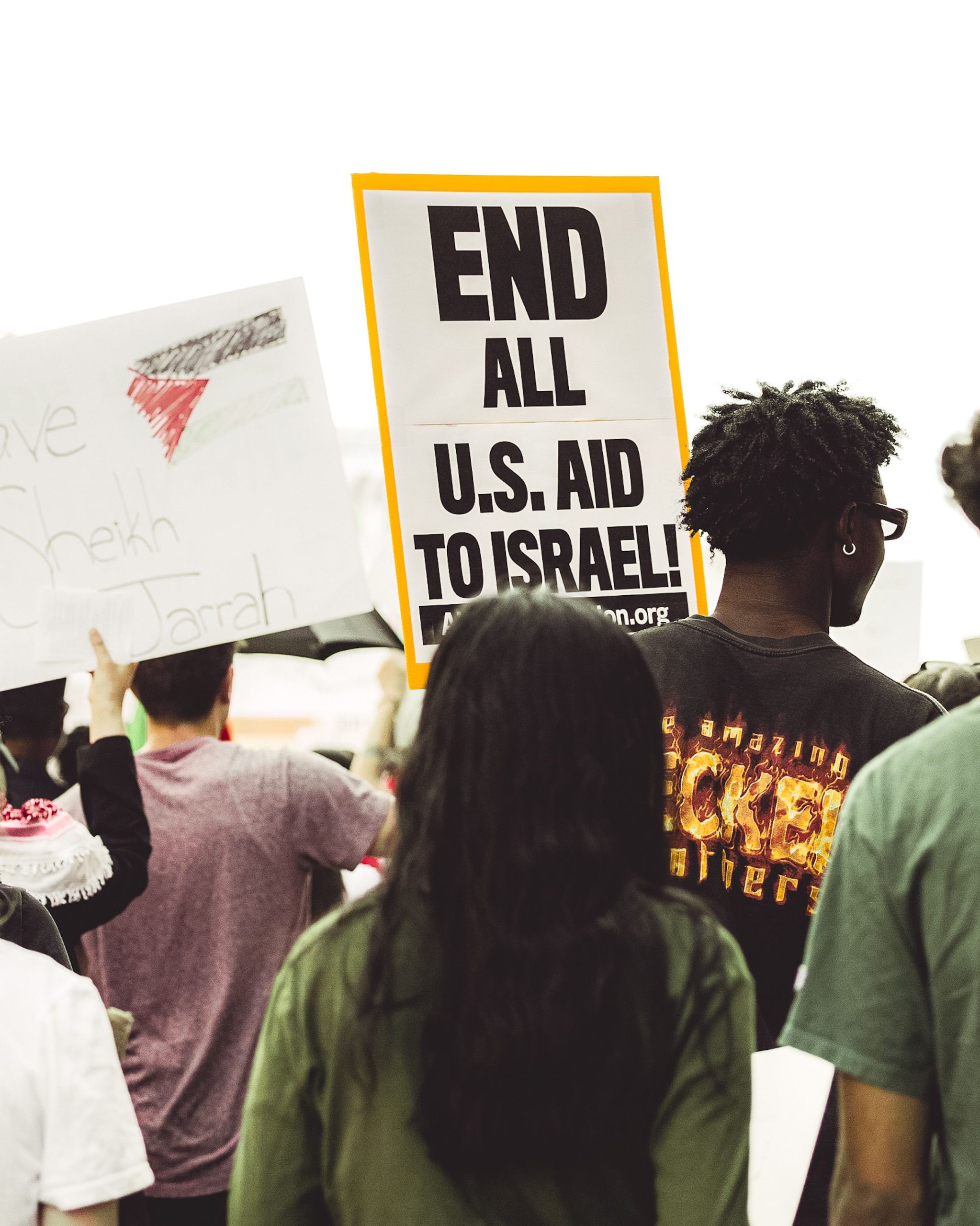
Understanding Discourse and Criticism: A Perspective on Israel’s Response to Dissent
In the landscape of international discourse, varying cultural contexts shape the way criticism and dissent are received and addressed. As an observer from the United States, where critical commentary about national policies is common and often accepted as part of democratic dialogue, I find myself seeking clarity on how similar interactions are navigated in other countries, particularly Israel.
In the U.S., it is routine to encounter and even expect critique of government actions. Such discussions are integral to the fabric of free speech and are rarely conflated with personal animosity toward citizens. It’s quite normal for individuals to criticize leadership policies without feeling personally targeted or claiming any broader anti-community sentiment.
In contrast, it appears that in Israel, any criticism of governmental policies is frequently met with the assertion that the critic harbors antisemitic intent. This raises questions about the underlying assumptions in these interactions. Why is it that expressing disagreement with government actions is often interpreted as hostility toward Jewish people themselves? Is there a cultural or political reason behind this tendency? Understanding the distinction between government policy and community sentiment could foster more nuanced conversations.
A recent example involved the American artist Macklemore, who publicly voiced opposition to the conflict in Palestine, advocating for peace and freedom. Despite his stance being focused purely on ending violence, he was swiftly labeled antisemitic, leading to his removal from a concert tour alongside other prominent artists like Ed Sheeran. This incident exemplifies how criticism, even when non-personal, can sometimes trigger accusations of antisemitism in certain contexts.
The casual use of the term “antisemitic” to dismiss any critique or neutral comment about Israel seems pervasive. Such labels can serve to shut down dialogue and may not always reflect the actual intent behind the words. It’s important to differentiate between criticism of policy and prejudice against a community.
Respecting diverse perspectives is vital, especially in complex geopolitical issues. My intention is not to delve into political debates but to understand the cultural and social dynamics that lead to such strong reactions. From my observations—be it from experiences in the U.S., Germany, or interactions with Jewish communities—criticizing a government does not equate to harboring hate toward its people.
In short, promoting open and respectful dialogue requires acknowledging the distinction between government actions and community identities. Recognizing this can pave the way for more constructive conversations, free from unwarranted accusations, and foster mutual understanding.