Understanding Life in a Modern Kibbutz: Perspectives and Realities
Kibbutzim have long been a unique and intriguing aspect of Israel’s social and cultural fabric. Rooted in ideals of socialism, communal living, and collective responsibility, these settlements have evolved significantly over the decades. For those curious about what daily life is like within a kibbutz today, it’s essential to explore their current state, safety considerations, and ongoing relevance in modern Israel.
Historical Context and Cultural Significance
Historically, kibbutzim emerged in the early 20th century as pioneering communities emphasizing shared ownership, egalitarian principles, and a collective approach to work and living. In the 1970s and 1980s, visiting a kibbutz was often seen as an immersive experience into a socialist way of life—alignment with left-wing ideals, community cooperation, and a departure from individualistic pursuits.
Your desire to experience this lifestyle firsthand resonates with many who see kibbutzim as symbols of peace and cooperation. While their role has shifted over time, many kibbutzim continue to embody principles of social equality and environmental sustainability.
Security and Safety in Contemporary Kibbutzim
Recent events, such as the tragic attacks on October 7, 2023, have cast a spotlight on vulnerabilities faced by Israeli communities, including kibbutzim. It is understandable to wonder about their current security status. Today, kibbutzim are well-protected by Israeli Defense Forces (IDF) and local security measures. Many have reinforced their defenses and are more vigilant to prevent infiltration or attack.
However, the geopolitical tensions in the region still influence the security situation. Some kibbutzim located near conflict zones or borders may be more cautious or experience heightened security alerts. Nonetheless, for most residents and visitors, safety measures are robust, and the communities remain resilient.
Interactions with International Visitors and Cultural Dynamics
Kibbutzim welcome visitors from around the world, offering tours, cultural exchanges, and educational programs. Post-October 7, there may be increased security protocols for international visitors, but the spirit of openness persists in many communities.
The relationships among residents often encompass diverse backgrounds. While kibbutzim traditionally consisted mainly of Israeli Jews, some now include Arab citizens, Druze, and international volunteers. These communities generally maintain peaceful coexistence, though regional tensions can sometimes impact daily life.
Relationship with the Israeli State, Military, and Regional Actors
Kibbutzim maintain varying relationships with the Israeli government, military, and neighboring regions. They are generally supportive of Israel’s security needs and often have close ties with the IDF, especially as many residents have served or are involved in national defense.
Regarding interactions with Palestinians or Hamas, most kibbutzim are situated within Israel’s borders and do not have direct dealings with Palestinian territories or militant groups. The communities are committed to peace and coexistence, but regional conflicts can influence perceptions and security policies.
Economic Model and Lifestyle
While historically kibbutzim operated on collective economic principles—where members shared income and communal resources—many have undergone reforms. Today, some have privatized aspects of their economies, allowing members to earn individual salaries while maintaining communal facilities and social services.
Residents might contribute through agricultural work, industrial enterprises, or tourism-related activities. Taxation policies vary; generally, members pay regular taxes to the state, but the communal economic structures may influence additional contributions or shared expenses.
A Day in the Life: What Is It Like?
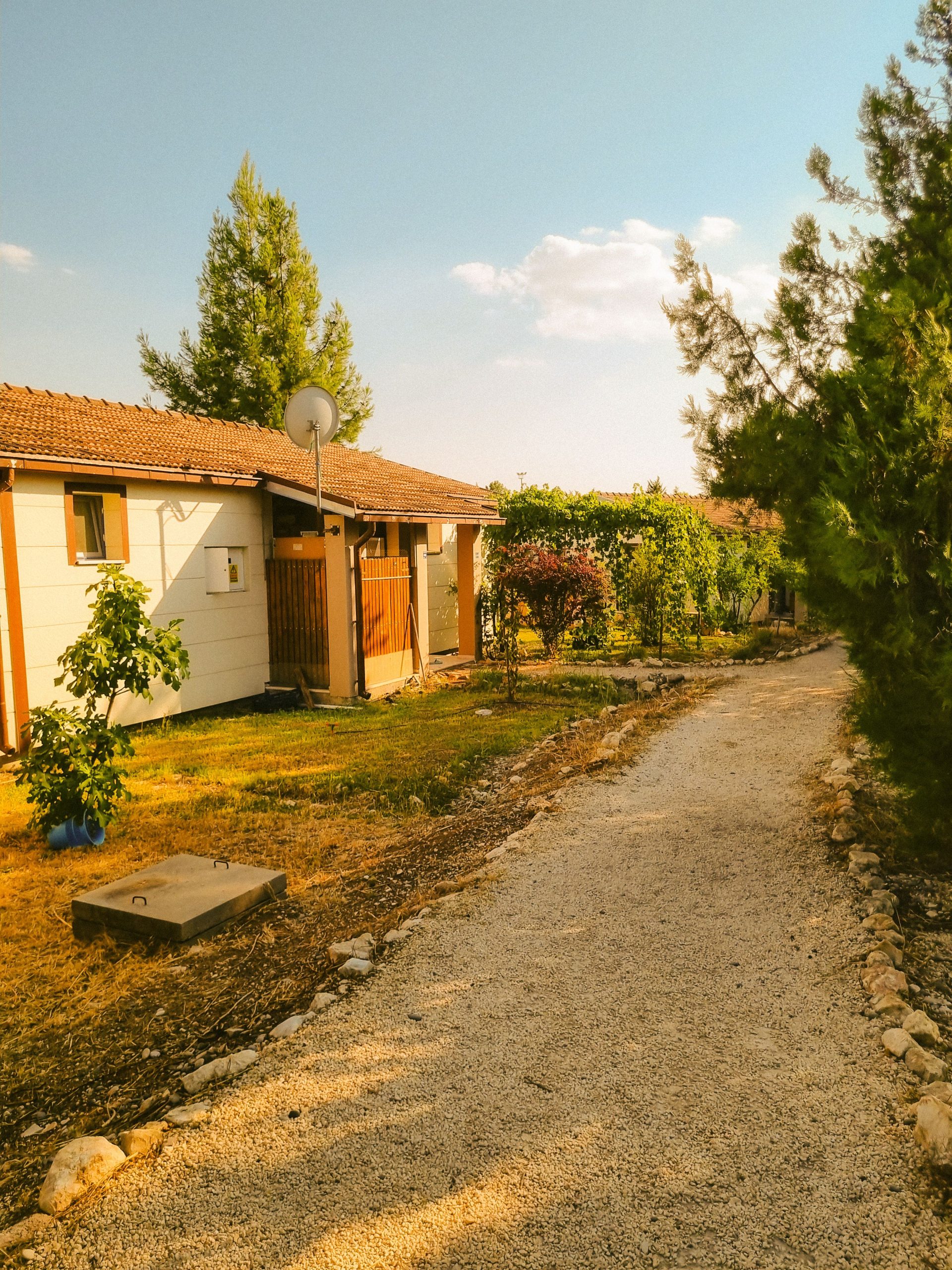
Life in a modern kibbutz can be diverse but is often characterized by a sense of community. Activities may include collective meals, shared childcare, agricultural work, educational programs, and cultural events. Technological advancements have integrated modern amenities, making kibbutzes comfortable places to live, while preserving their social ideals.
Safety and Personal Feelings of Security
For residents, safety is a priority, and security measures are generally effective. That said, feelings about safety can vary—some may feel secure due to security infrastructure, while others might experience concern depending on regional developments and personal perspectives. It’s natural for residents to carry a degree of caution but also pride in the resilience of their communities.
Conclusion
Kibbutzim continue to reflect a distinctive approach to community living, blending ideals of socialism, environmental consciousness, and Israeli identity. They adapt to modern challenges while striving to uphold their founding principles.
For those interested in experiencing or learning more about this unique lifestyle, visiting a kibbutz can provide valuable insights. While regional tensions may influence certain aspects, many kibbutzim remain vibrant, welcoming, and committed to peaceful coexistence.
If you’re considering a visit or contemplating life in a kibbutz, understanding these facets can help inform your perspective. As with any community, experiences will vary, but the enduring spirit of cooperation and resilience remains evident.
Thank you for your curiosity and desire to learn. Exploring such questions fosters greater understanding and connection.