Assessing the Current Dynamics in Gaza: Uncovering the Broader Context of Regional Tensions
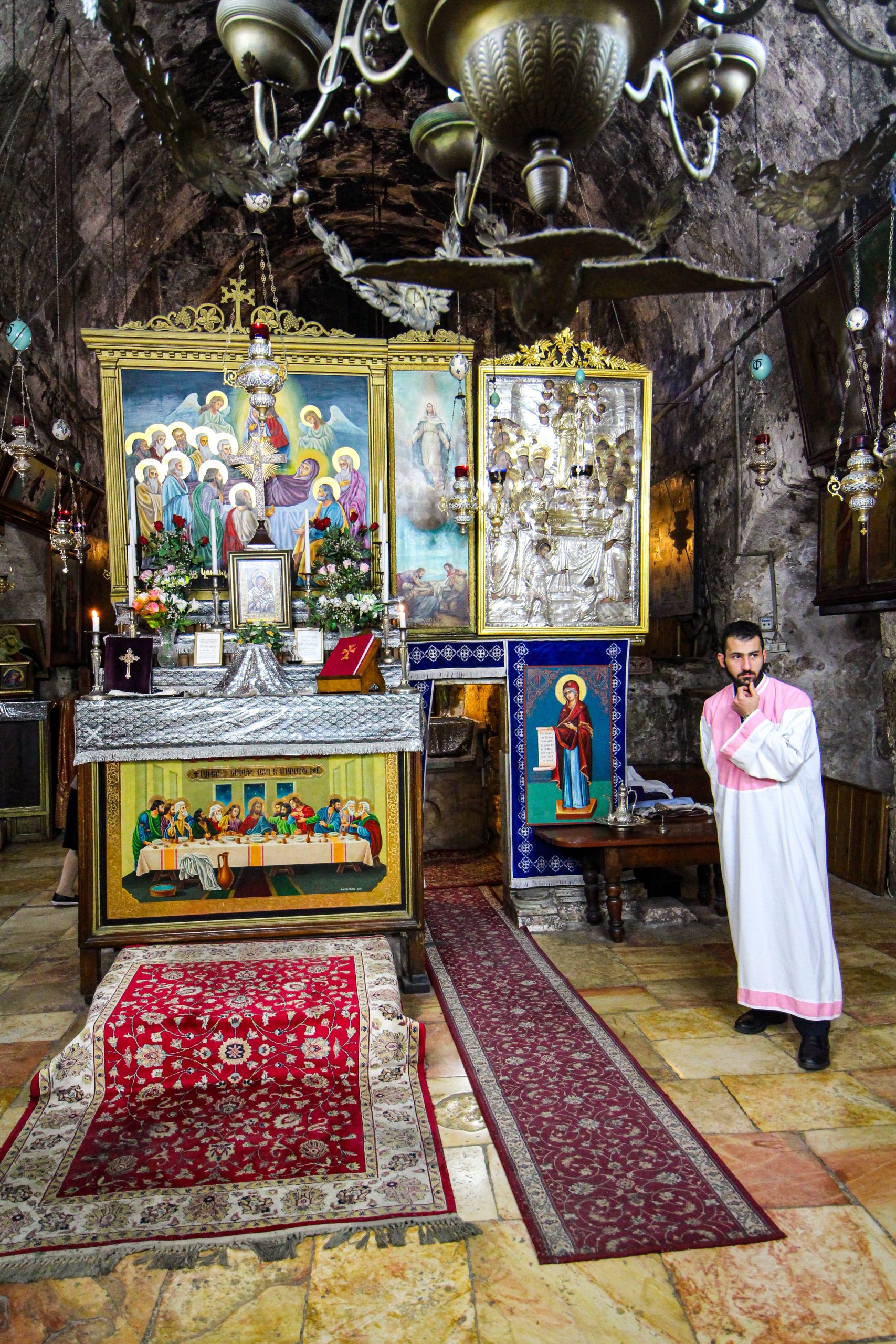
Recent reports have highlighted significant tensions and military actions within Gaza, including the attack on a Christian church—an incident that has sparked widespread concern and debate. While such events are often reported in the context of ongoing conflicts, it is essential to approach these issues with a nuanced understanding of the complex geopolitical landscape.
The Scope of Military Operations in Gaza
The military activities in Gaza have predominantly targeted areas associated with various communities, raising questions about the motivations and implications behind these actions. Critics argue that these operations are not solely aimed at military objectives but may also involve broader strategic considerations.
Underlying Intentions and Regional Ambitions
Some observers suggest that the current trajectory of conflict aims to reshape the territorial and demographic landscape of the region. There is an argument that certain policies and military campaigns are part of an overarching plan to consolidate control over land that holds religious, cultural, and historic significance.
This perspective posits that these actions could be part of a broader vision to transform Israel into an ethnonational state, which has implications for regional stability and demographic diversity.
The Greater Israel Project and Its Implications
Proponents of expansionist visions refer to initiatives often described as the “Greater Israel Project,” a concept that envisions extending Israel’s borders to include neighboring territories such as parts of Syria, Egypt, Jordan, and Lebanon. Advocates argue that such a plan seeks to secure strategic advantages and establish a more expansive homeland.
However, critics warn that pursuing such objectives risks escalating regional conflicts, undermining long-standing peace processes, and marginalizing communities that have lived in these regions for generations.
Conclusion
Understanding the multifaceted nature of the current situation in Gaza and the broader Middle East requires careful consideration of historical, political, and social factors. While concerns about land sovereignty and demographic changes are central to regional debates, it is crucial for policymakers, community leaders, and observers alike to promote dialogue and seek peaceful resolutions that respect the rights and dignity of all peoples involved.
By fostering informed discussions based on accurate information, we can contribute to a more comprehensive understanding of the ongoing developments and their potential consequences for regional stability and global peace.