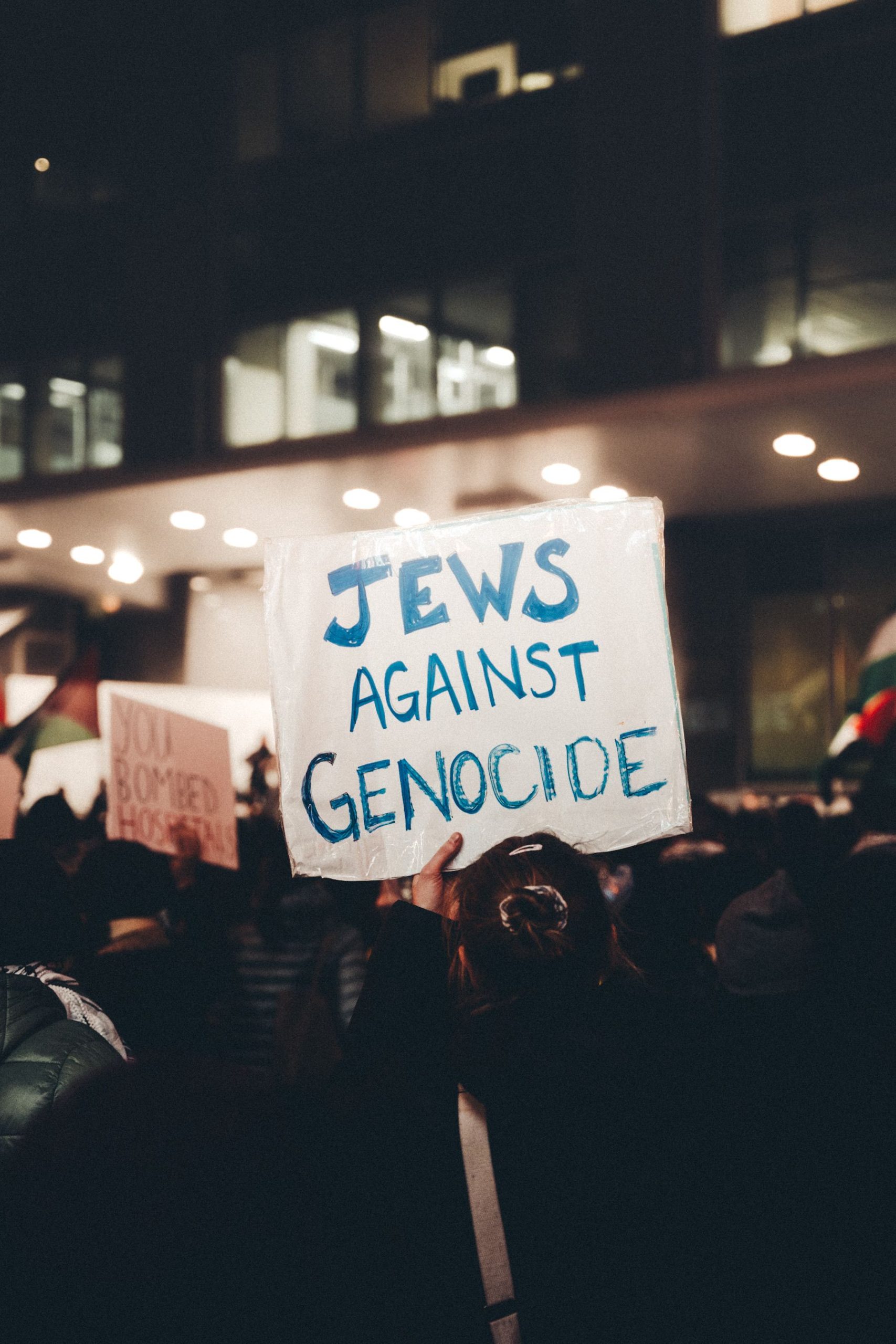
Examining the Complexities of Society and Conscience: A Reflection on Moral Clarity and Resistance in Israel
In a recent episode of Beyond Israelism, host Simone Zimmerman engages in a candid and profound discussion with Yuli Novak, Executive Director of B’Tselem—a prominent Israeli human rights organization. This conversation offers a compelling exploration of political upheaval, ethical conviction, and the challenging realities faced by individuals within a society confronting its own moral and systemic crises.
Yuli Novak shares her personal journey from a background rooted in patriotic ideals and a belief in Israeli democracy to a sobering recognition of the realities on the ground. She describes her transition from this upbringing to acknowledging what she now characterizes as an apartheid regime, raising critical questions about the societal structures that enable and sustain such conditions.
A central theme of their dialogue emphasizes the pervasive complicity within societies that engage in or tolerate systemic injustices. Novak reflects, “Genocide is never done by a small group of people. It is always done with the cooperation, and often the support, of an entire society.” This insight underscores the importance of moral awareness and collective responsibility in addressing human rights violations.
The conversation ventures into the challenging terrain of moral clarity amid political conflict, highlighting the courage required to speak truth from within a society that often resists acknowledging its darker aspects. Novak’s insights invite us to consider the roles individuals and communities play in either perpetuating or resisting systemic injustices and to reflect on the importance of moral integrity in pursuit of justice.
This dialogue provides a significant contribution to conversations about societal accountability, ethical resistance, and the pursuit of truth in complex political landscapes. It encourages a deeper understanding of the societal forces that underlie grave human rights issues and underscores the importance of unwavering moral leadership in confronting them.