Understanding the Complex Dynamics of the Palestine-Israel Conflict: A Call for Balanced Perspectives
The ongoing situation in Palestine is a deeply complex and multifaceted issue that evokes strong emotions and opinions worldwide. As someone who was born, raised, and still resides in Gaza, I wish to share insights from my personal perspective, emphasizing the importance of recognizing the broader human dimensions involved rather than reducing the conflict solely to religious terms.
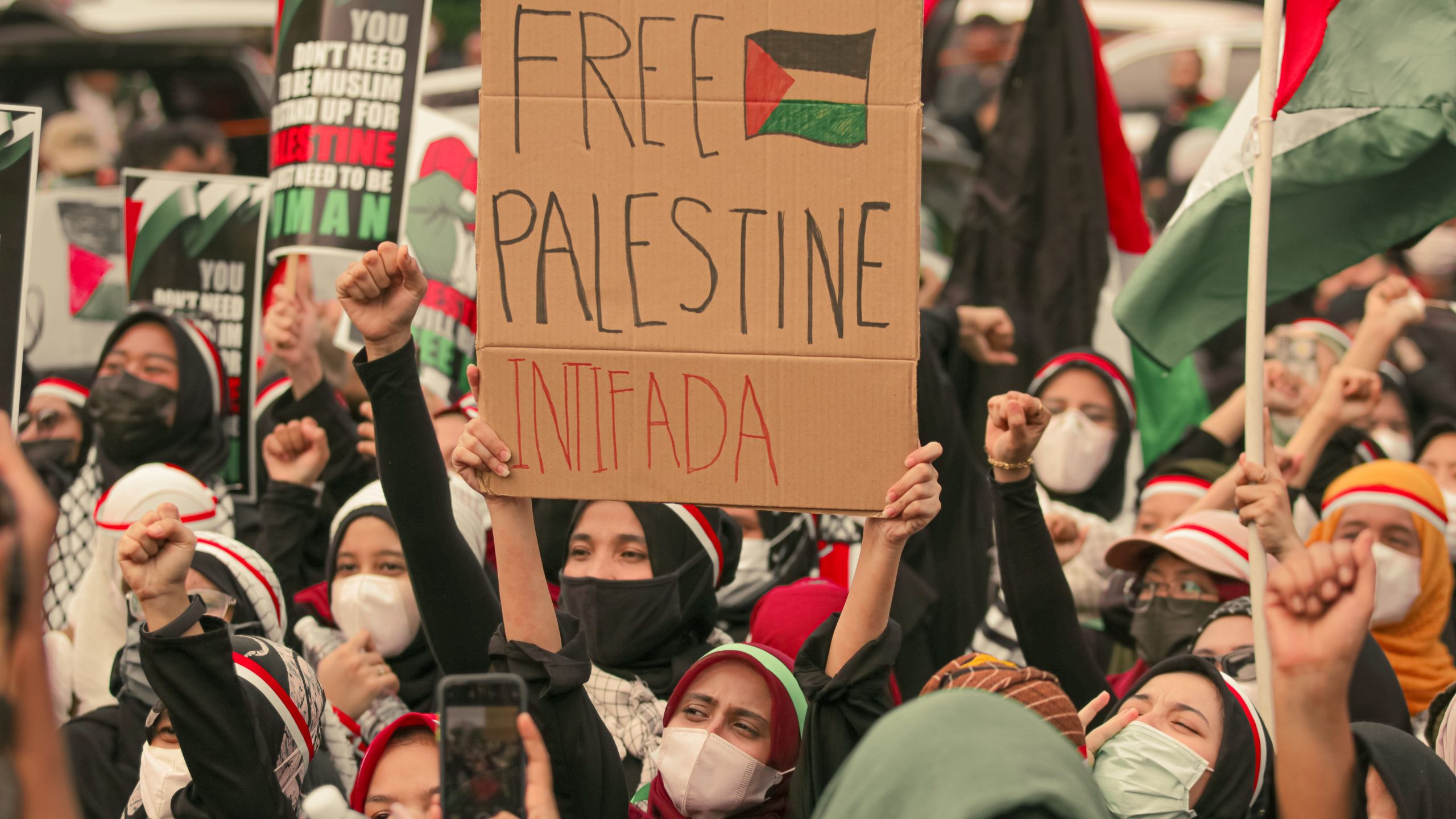
It is important to acknowledge that support for Palestine crosses religious and cultural boundaries. People of various faiths—including Christians, atheists, Jews, and others—stand in solidarity with the Palestinian cause. This diverse backing underscores that concerns about human rights, justice, and freedom extend beyond religious identities.
One critical point often overlooked in discussions is the danger of “Islamizing” the conflict. Framing the struggle exclusively as a Muslim issue risks narrowing the narrative and potentially justifying restrictions on Palestinian rights solely on religious grounds. Such a perspective aligns with some of Israel’s strategies to portray the conflict as a religious or cultural confrontation, which may hinder efforts toward a fair and peaceful resolution.
It’s noteworthy that Israel’s policies regularly target the collective identity of Arabs and Muslims, aiming to frame the conflict in religious terms. However, it’s crucial to recognize that Western nations and societies often approach the situation differently. For example, despite the tragic loss of seven Western aid workers in Gaza, international pressure and advocacy have led to tangible aid deliveries and efforts to improve the humanitarian situation for Gazans. This demonstrates that, beyond religious identities, there is a shared human concern that influences international responses.
Moreover, the perception of human value in this conflict varies significantly. While some justify displacements and restrictions based on security concerns, others advocate for the equal dignity and rights of all individuals affected. It is essential to distinguish between political/security narratives and the universal principles of human rights and compassion.
Public activism and global advocacy have played pivotal roles in shaping outcomes. Many protests across Muslim-majority countries, such as Jordan, have contributed to positive changes and greater awareness. These actions highlight that every voice counts in urging for justice, peace, and the protection of fundamental human rights.
In conclusion, Palestine is a multifaceted issue that encompasses humanitarian, political, and religious dimensions. To foster understanding and progress, it is vital to approach the situation with nuance, avoiding oversimplifications or reductionist narratives. Recognizing the universal human aspects at stake encourages a more compassionate and constructive discourse, ultimately supporting efforts to attain lasting peace and justice for all those affected.
Author’s Note: This perspective aims to promote a balanced understanding of a complex conflict. Respectful dialogue and acknowledgment of diverse viewpoints are essential in fostering a more informed and empathetic global community.