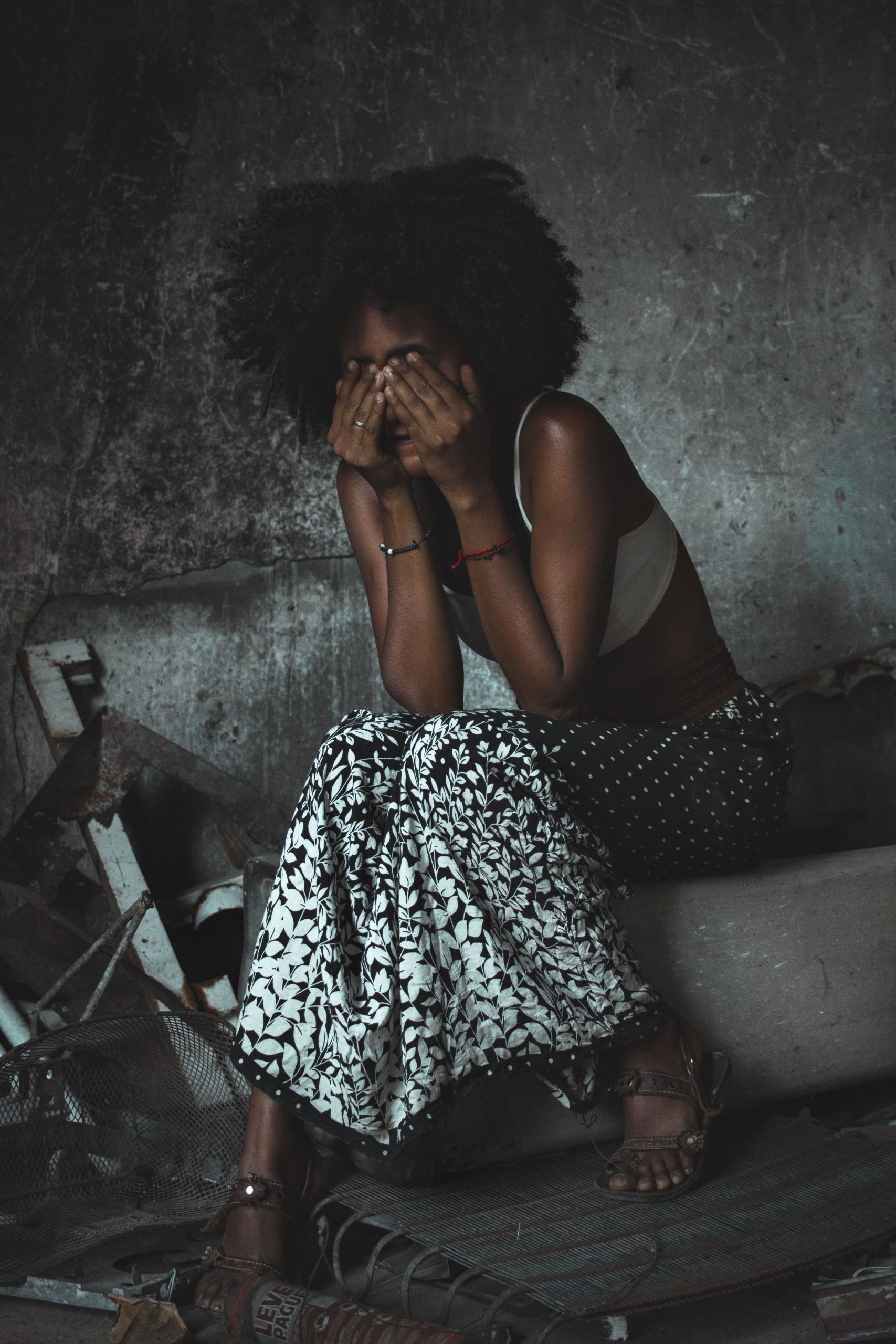
Perception vs. Reality: The Ongoing Struggles We Often Fail to See
In many discussions about hardship and recovery, there’s a common misconception: the belief that suffering has come to an end. On the surface, it might appear that life has returned to normal or that challenges have been resolved. However, beneath this veneer of stability lies a more complex, often overlooked truth.
The reality is that for many individuals and communities, suffering persists—sometimes intensifying with each passing day. Despite the passage of time, tangible improvement remains elusive. The same struggles—be it emotional pain, socioeconomic hardship, or everyday anxieties—continue to define their lives. In many cases, what was once a crisis has become an accepted part of their routine.
From an external perspective, circumstances may seem calmer or more manageable. Yet, internally, the narrative often remains the same: a story of persistence in the face of ongoing hardship, sometimes even exacerbated by a lack of visible progress. It’s a silent battle that continues behind closed doors, unseen by the world that assumes things are better.
One of the most painful aspects of this ongoing struggle is the sense of invisibility. Many individuals feel that their pain has been rendered invisible or unimportant—overlooked by society, ignored by those around them. This perceived neglect can deepen feelings of isolation and helplessness.
It’s crucial to recognize that recovery is seldom linear or complete. For many, the journey involves just one step forward, often accompanied by setbacks. We must affirm that while the battle continues, acknowledgment and understanding are vital. Compassion and outreach can help bridge the gap between external appearances and internal realities.
Ultimately, we should remember: just because suffering is not always visible doesn’t mean it has ceased. Behind every story of perseverance is a person valiantly trying to survive and adapt, day after day. Recognizing this ongoing struggle allows us to extend empathy, support, and solidarity to those who need it most.