Understanding Public Perception of Media Credibility During Conflicts
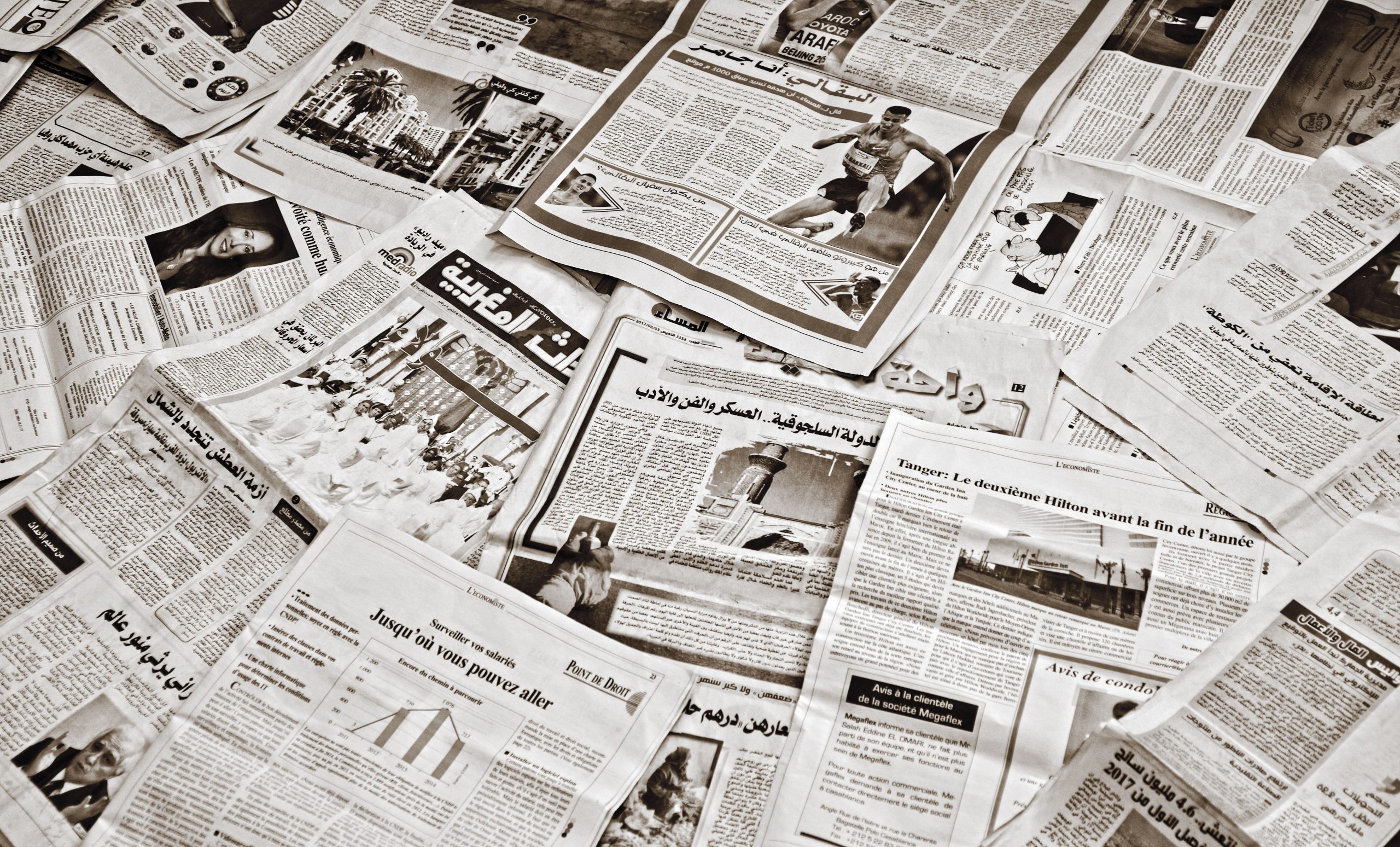
In today’s interconnected world, the role of media in shaping public perceptions during times of conflict cannot be overstated. As an observer from Europe, I find myself eager to gain insights into how individuals within affected regions perceive the information they receive through various media channels.
The core question I wish to explore is: To what extent do the local populations trust the narratives presented by their public news outlets? Specifically, I am interested in understanding perceptions surrounding the accuracy, bias, and potential propaganda embedded within media coverage of ongoing conflicts.
Questions for Reflection
- How much of the content aired or published by public news organizations do you believe is truthful and objective?
- To what degree do you think media outlets purposefully omit or distort facts to maintain public morale or avoid spreading panic?
- Where do you think the line lies between factual reporting and propaganda?
- How do these perceptions compare with the views of people in your immediate community or social circles?
A Neutral Approach to Inquiry
My intent in posing these questions is purely to understand varying perspectives without accusations or assumptions. Recognizing that media can be influenced by many factors—including political, economic, or social motives—can help cultivate a more nuanced understanding of the information landscape during turbulent times.
Final Thoughts
Gaining insight into how media is perceived by those within conflict zones can foster greater empathy and awareness. It can also inform us about the challenges faced in maintaining an informed public and the importance of media literacy.
I invite your reflections and insights—how do you perceive the media coverage of current events, and what do you think those around you believe about the information they consume? Your perspectives are valuable in enriching this ongoing conversation.