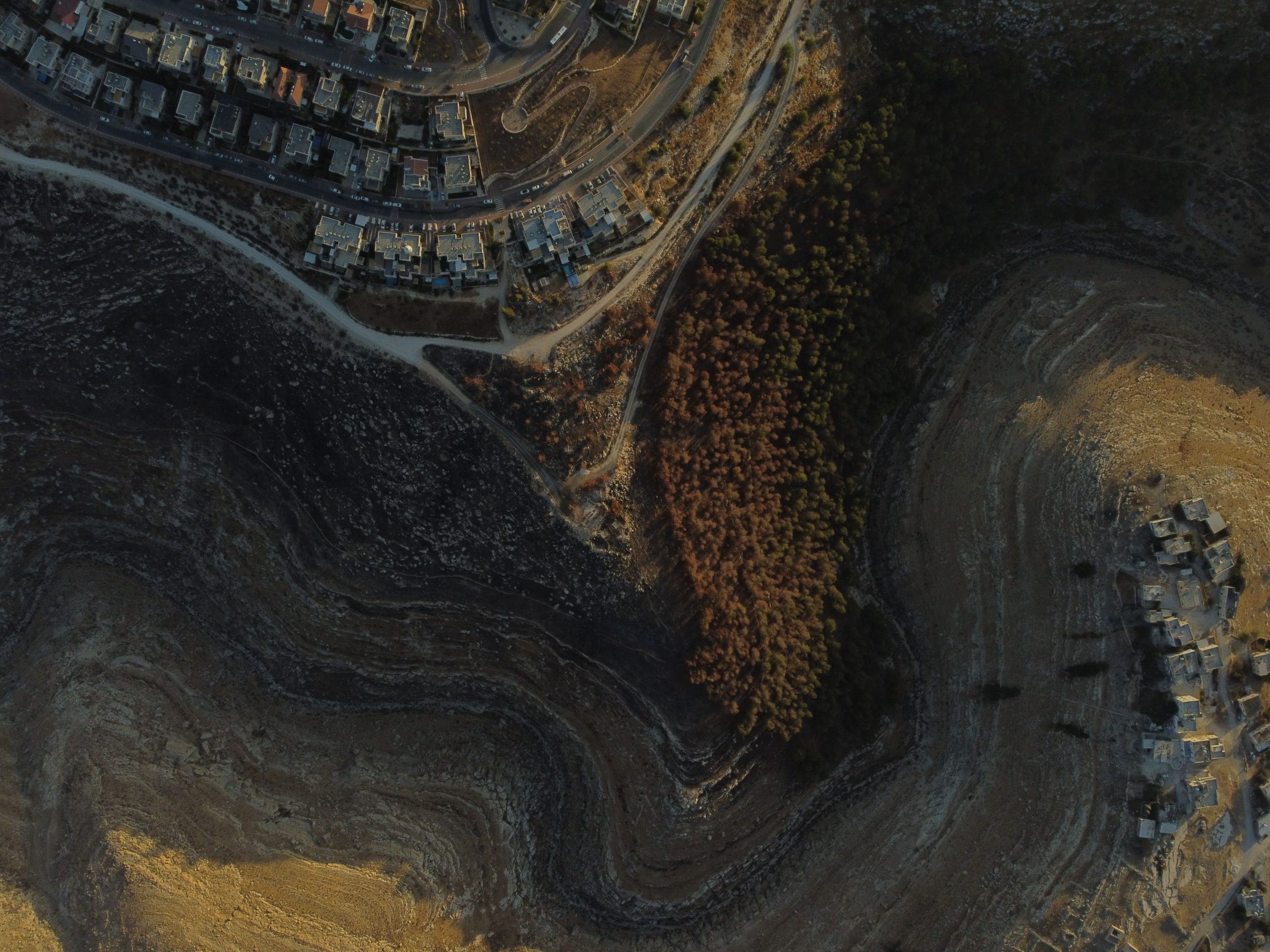
Recent Developments in the West Bank: Rising Tensions and Geopolitical Uncertainty
In recent days, the geopolitical landscape of the West Bank has once again become a focal point of international concern and media attention. On a seemingly ordinary day, reports emerged of a confrontation between Palestinian residents and Israeli settlers who were reportedly hiking in the area without official escort. Such incidents highlight the volatile nature of the region and the persistent underlying tensions.
The political discourse surrounding the West Bank has intensified, with the Palestinian Authority (PA) announcing intentions to “end the Israeli colony” — a statement that resonates deeply with longstanding aspirations for Palestinian sovereignty and the dismantling of settlements considered illegal under international law. Concurrently, prominent Israeli figures such as Minister Itamar Ben-Gvir have issued stern warnings, emphasizing a desire for retribution against settlers and calling for the demolition of nearby Palestinian villages. These statements underscore the deepening rift and the potential for escalation.
Given this dynamic and often unpredictable situation, questions arise regarding the possibility of a resurgence of conflict akin to the Gaza conflicts of recent years. Could we be witnessing the early signs of a new wave of violence, or are these incidents isolated and manageable within the current political framework? Alternatively, are these tensions routine occurrences in a region accustomed to periodic flare-ups, analogous to a “routine Tuesday”?
The West Bank has long been a flashpoint in the Israeli-Palestinian conflict, characterized by recurrent clashes, settlement expansion, and ongoing diplomatic efforts. With regional and international stakeholders watching closely, the unfolding events warrant careful analysis and cautious optimism. Peace and stability remain elusive goals, but understanding the nuanced developments on the ground is essential for informed perspectives.
As the situation continues to evolve, the international community, local authorities, and stakeholders are called upon to foster dialogue and pursue pathways toward de-escalation. Only through concerted efforts can the cycle of violence be broken, paving the way for a more stable and peaceful future for all inhabitants of the region.