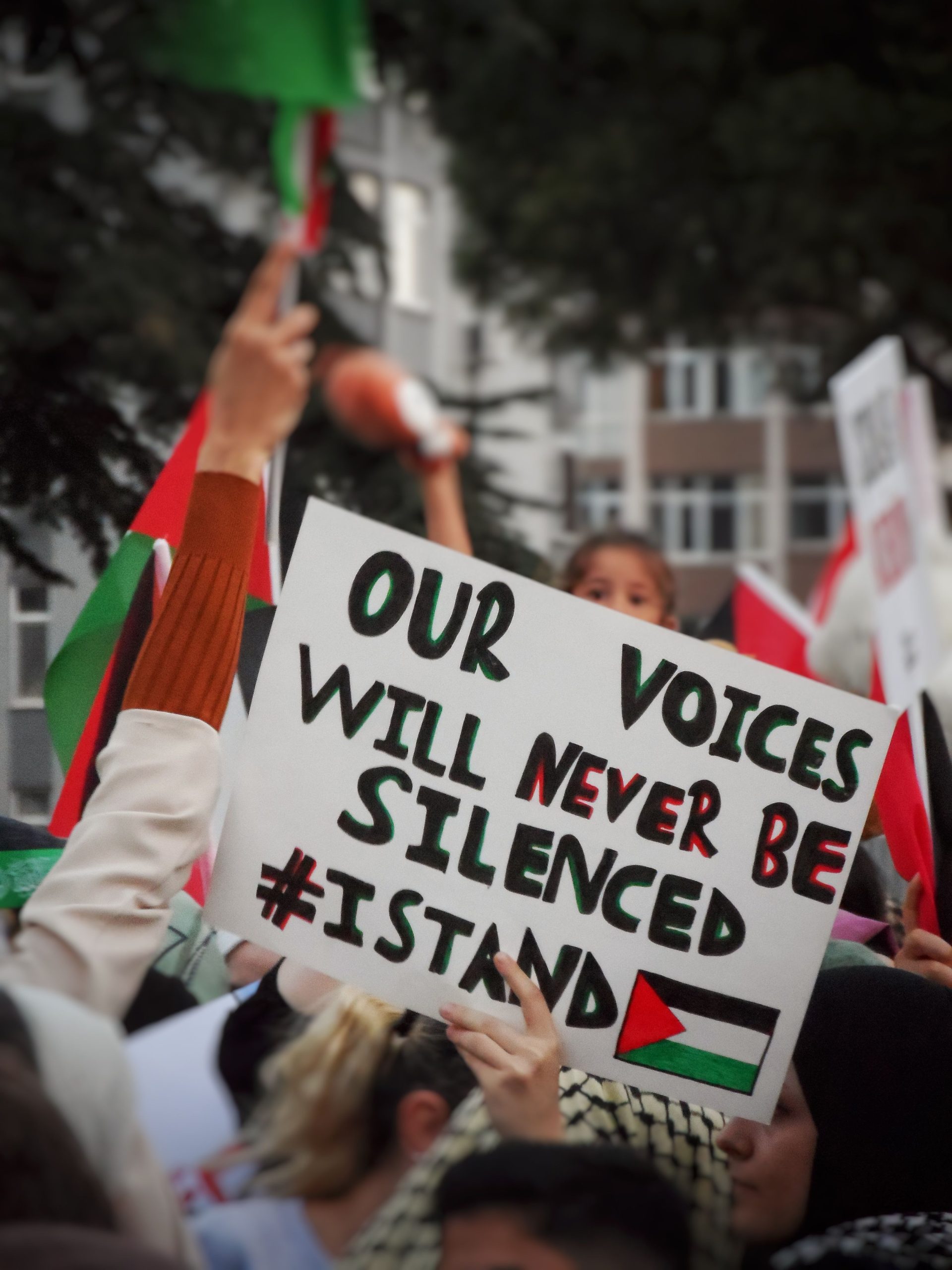
Understanding the Humanitarian Crisis in Gaza: A Silent Suffering
The ongoing crisis in Gaza has garnered limited international attention despite its severity. To foster greater awareness, this article aims to provide a comprehensive overview of the current famine unfolding in the Gaza Strip, grounded in verified information and on-the-ground realities.
An Overview of Gaza’s Geography and Demographics
The Gaza Strip is a compact and densely populated coastal territory, encompassing approximately 365 square kilometers. Home to over 2.3 million residents, it is among the most crowded regions globally. Prior to recent conflicts, Gaza relied predominantly on imported food via its border crossings, mainly through the Kerem Shalom crossing controlled by Israel and the Rafah crossing with Egypt. The recent Israeli military operations, particularly the ground invasion of Rafah in May 2024, have resulted in the closure of these vital pathways, effectively cutting Gaza off from outside food sources.
Limitations on Fishing and Food Sustainability
Although Gaza boasts a 40-kilometer coastline along the Mediterranean Sea, fishing—a traditional livelihood and food source—has become virtually impossible. Israeli authorities strictly regulate fishing zones and frequently open fire on fishermen exceeding those limits. The war has led to the destruction of many fishing boats, further eliminating a once-important source of nourishment and income.
Current Food Supply Dynamics
Since the outbreak of hostilities, Israel has been the primary, and almost sole, conduit for food entering Gaza through its controlled crossings. While some humanitarian aid shipments are permitted via international organizations, these supplies have been severely reduced. A fragile partial ceasefire began on January 19, 2025, allowing limited aid entry; however, this arrangement has faltered, and crossings have remained sealed for over two months, leaving Gaza entirely cut off from essential food supplies.
Impact on Markets, Prices, and Food Security
The blockade has devastated Gaza’s food security infrastructure. All bakeries have ceased operations due to shortages of fuel and flour. Black market prices for staple items, such as a 25-kilogram bag of flour, have skyrocketed to over $230. Consequently, many residents depend heavily on canned foods and other scarce resources, which are barely sufficient for survival.
The Decline of Livestock and Meat Availability
Gaza’s already fragile livestock sector has suffered irreparable damage amid ongoing bombings and the blockade on veterinary supplies and animal feed. Livestock imports have been halted entirely, making meat—whether red meat or poultry—almost inaccessible. Many Gazans have gone months without consuming any meat, compounding nutritional deficiencies.
Barriers to Local Agriculture and Food Storage
Agricultural activity in Gaza is severely restricted by Israeli policies. Border zones, which include Gaza’s most fertile farmland, are designated as buffer zones off-limits to civilians; many farmers have been shot or killed when attempting to tend their land. Furthermore, water supplies have been drastically reduced, rendering home gardening and farming nearly impossible. With over 90% of the population lacking access to adequate drinking water, cultivating vegetables and other crops becomes a near-impossible task.
Challenges in Food Storage and Consumption
The practice of stocking food in anticipation of shortages is also impeded. Food storage requires financial resources to buy in bulk, a luxury most Gazans cannot afford. Compounding the issue, electricity has been cut off since October 2023, eliminating refrigeration options. Additionally, the displacement of nearly 1.9 million residents—many of whom are forced to flee their homes repeatedly—prevents families from establishing stable households or storing supplies.
The Human Cost: Widespread Hunger and Malnutrition
The result of these compounding factors is a grim reality: famine has become a daily ordeal for Gaza’s residents. Sightings of children suffering from severe malnutrition are increasingly common. According to reports from the United Nations in April 2025, over 1.2 million people—more than half of Gaza’s population—are experiencing urgent hunger. Alarmingly, about 30% are facing “catastrophic food insecurity,” the highest warning level recognized globally.
Conclusion
The humanitarian crisis in Gaza is a consequence of deliberate and systemic actions that have decimated its food systems and livelihood sources. The silent suffering of millions underscores the urgent need for international recognition and intervention to address this preventable tragedy. As the world watches, the question remains: will the global community take meaningful steps to alleviate the suffering of Gaza’s beleaguered population?