Understanding Compassion in the Face of Tragedy: Reflecting on the Gaza Crisis
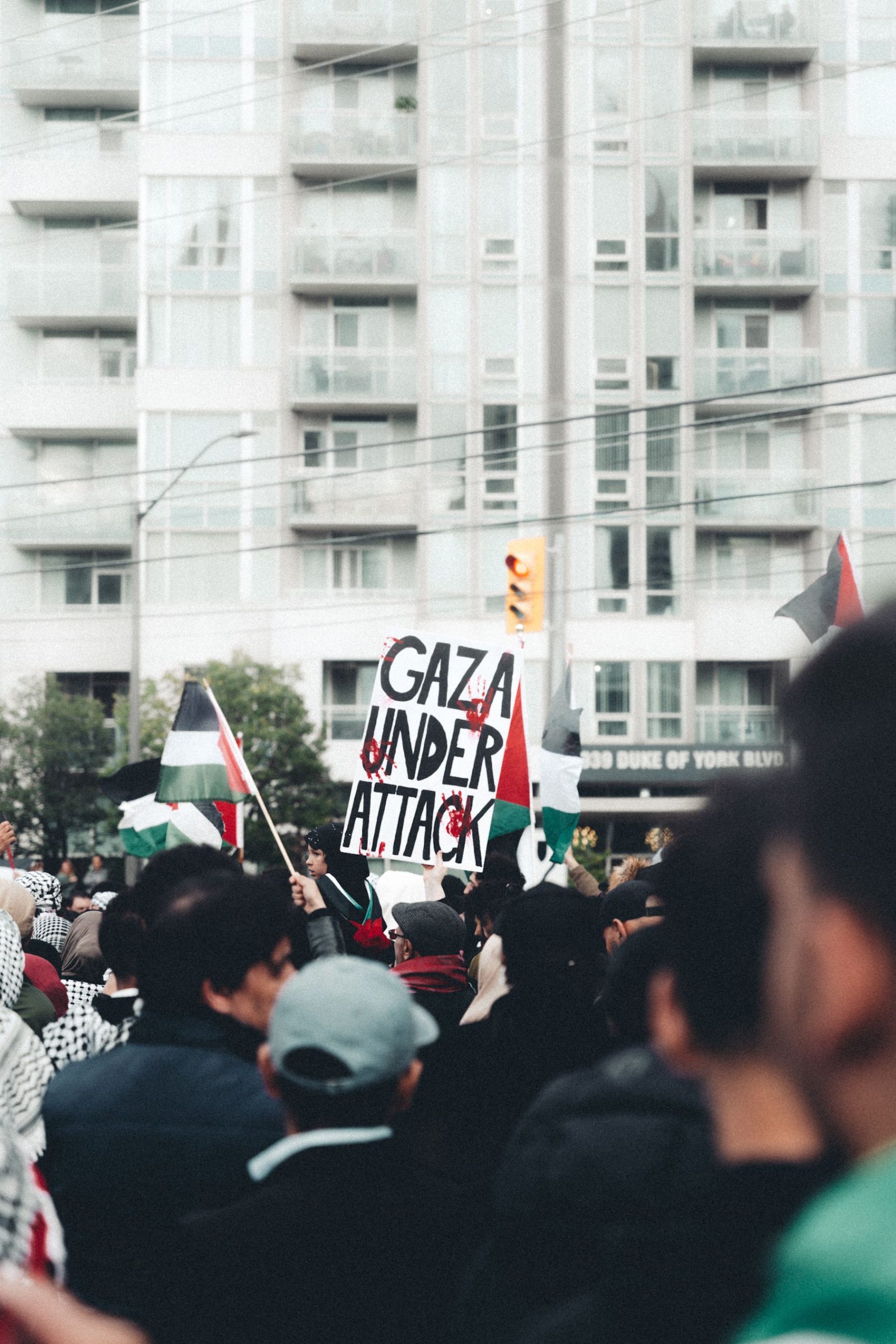
In times of profound human suffering, the ability to witness and empathize with the pain of others is a vital component of our shared humanity. The ongoing crisis in Gaza has brought devastating scenes into global view—images of destruction, loss, and despair that can be difficult to process. Yet, it is essential that we approach these images not with apathy, but with heartfelt acknowledgment and compassion.
Imagine for a moment the person you love most in this world. Visualize their face, their hands, their smile. Now, consider the unimaginable—these very hands that once held loved ones, shared meals, or expressed joy, are now torn apart by violence. Every scar, every fragment of tissue that appears in these images once belonged to someone who experienced love, hope, and connection. Behind each photograph of destruction lies a human being—one with a story, dreams, and an entire life.
It is important to remember that the suffering seen in Gaza is not merely about physical injury; it is about the loss of dignity, safety, and belonging. When a child’s tiny hand is severed, it is a stark reminder that innocence and potential have been cruelly interrupted. Holding a baby’s hand—a bond filled with pure trust and love—is a universal experience. To imagine that child’s hand now mangled or gone emphasizes the profound tragedy, and challenges us to empathize with the anguish of parents and families who must confront such devastation.
Consider the personal and emotional investments we make in our daily lives—purchasing cherished belongings, creating a space of comfort, or building a sense of security. Now, imagine that all of this—the home you have painstakingly crafted—is suddenly destroyed by war. Those familiar objects, the efforts to nurture a cozy environment, vanish in an instant, leaving behind only rubble and memories.
If the images of Gaza do not stir some form of emotional response within you, it may be worth reflecting on the state of your empathy and conscience. Genuine compassion often manifests as anger, outrage, or a desire for justice—feelings that acknowledge the gravity of human suffering. To remain unmoved by such scenes can suggest emotional numbness or detachment, which can be a barrier to meaningful support and action.
In conclusion, bearing witness to the atrocities unfolding in Gaza is not merely about observing distant suffering; it is about recognizing our shared humanity and feeling compelled to advocate for justice and peace. The images and stories remind us that every victim was once a whole person—capable of love, joy, and connection—and that their loss is a loss for all of us.
Let us strive to stay compassionate, to listen deeply, and to act with moral conviction. Humanity’s strength lies in our ability to empathize with others—especially when faced with the profound tragedy of war and displacement. Only through genuine awareness and compassion can we hope to foster a world where such suffering becomes a thing of the past.