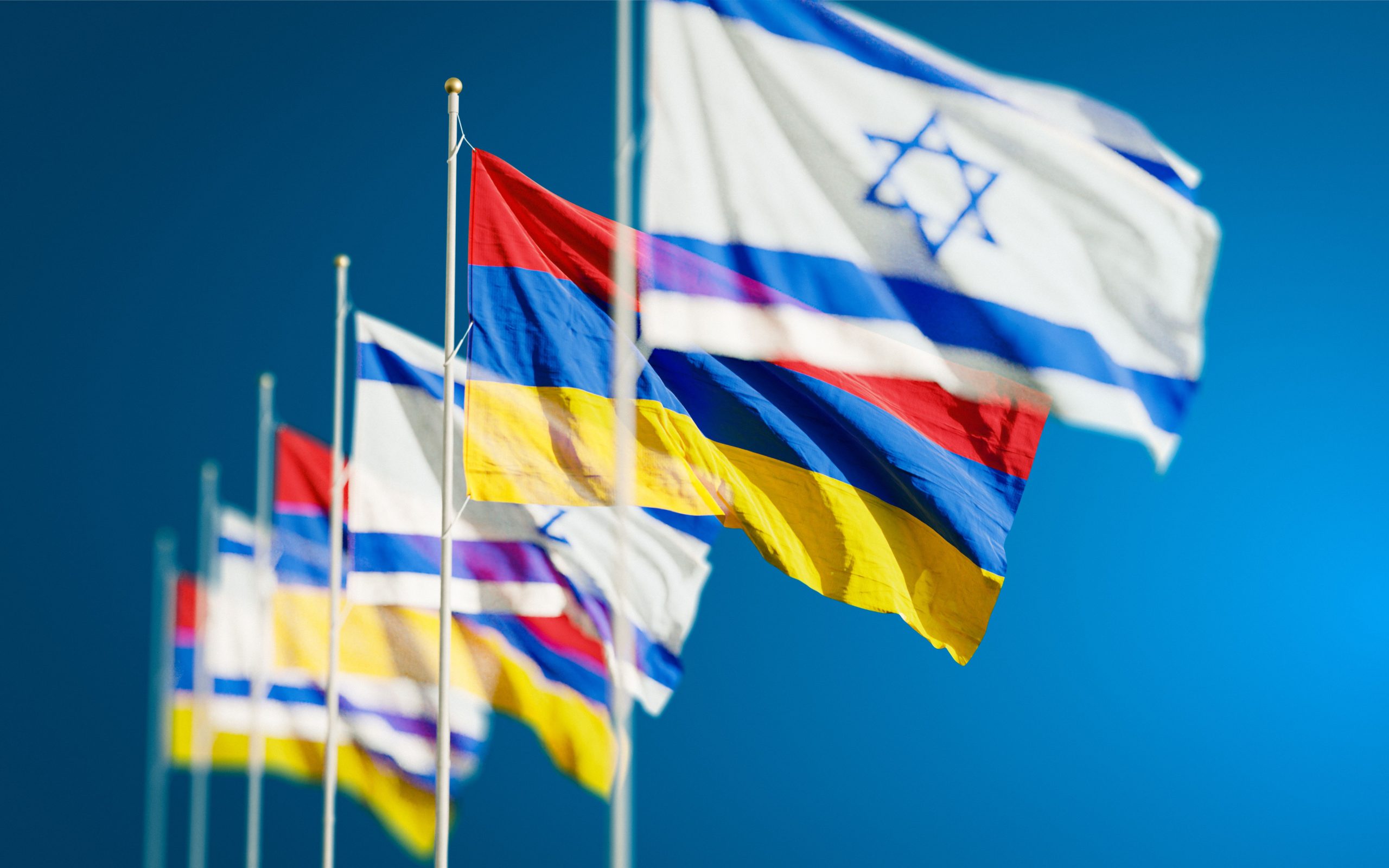
Exploring the Presence of a Multiethnic Civic National Identity in Israel
In examining national identities around the world, we often consider how societies integrate diverse ethnic and cultural groups into a cohesive national narrative. A compelling example is Singapore, a nation characterized by its multicultural fabric. Although the country has a Chinese majority, approximately 25% of its population comprises various other ethnic communities. Singapore’s identity is often described as a multiethnic society that celebrates and recognizes the diverse cultural heritages of its residents, fostering a sense of shared citizenship beyond ethnic lines.
This prompts the question: Could Israel, often viewed through the lens of its ancient Jewish heritage, also be understood as a multiethnic society with a shared civic identity? Historically, Israel has been a melting pot of different communities, not limited solely to Jewish and Arab populations. The region’s complex history includes a long-standing presence of various religious and ethnic groups, including Druze, Bedouins, Circassians, and others, each contributing to the multifaceted social fabric of the country.
While Israel’s national identity is deeply rooted in its Jewish heritage—shaped by millennia of history, religious tradition, and cultural continuity—there is ongoing discourse on the extent to which a broader, inclusive civic identity is recognized and embraced. Many Israelis and observers contend that, much like Singapore, Israel has the potential to be conceived not solely as a nation defined by ethnicity or religion, but as a multiethnic society where diverse communities coexist under a shared civic identity.
Achieving such a sense of unity requires recognition of the diverse backgrounds that make up the country’s population and a commitment to inclusive national narratives. This approach can foster social cohesion while respecting the heterogeneity of its inhabitants. Recognizing the myriad communities living within Israel’s borders can serve as a foundation for building a more inclusive national identity that extends beyond religious and ethnic boundaries.
In conclusion, Israel’s position as a society with a rich, longstanding Jewish heritage does not preclude it from cultivating a broader civic national identity that embraces its multiethnic reality. Drawing inspiration from multicultural nations like Singapore may offer pathways toward fostering greater integration, mutual recognition, and social harmony in Israel’s diverse landscape.