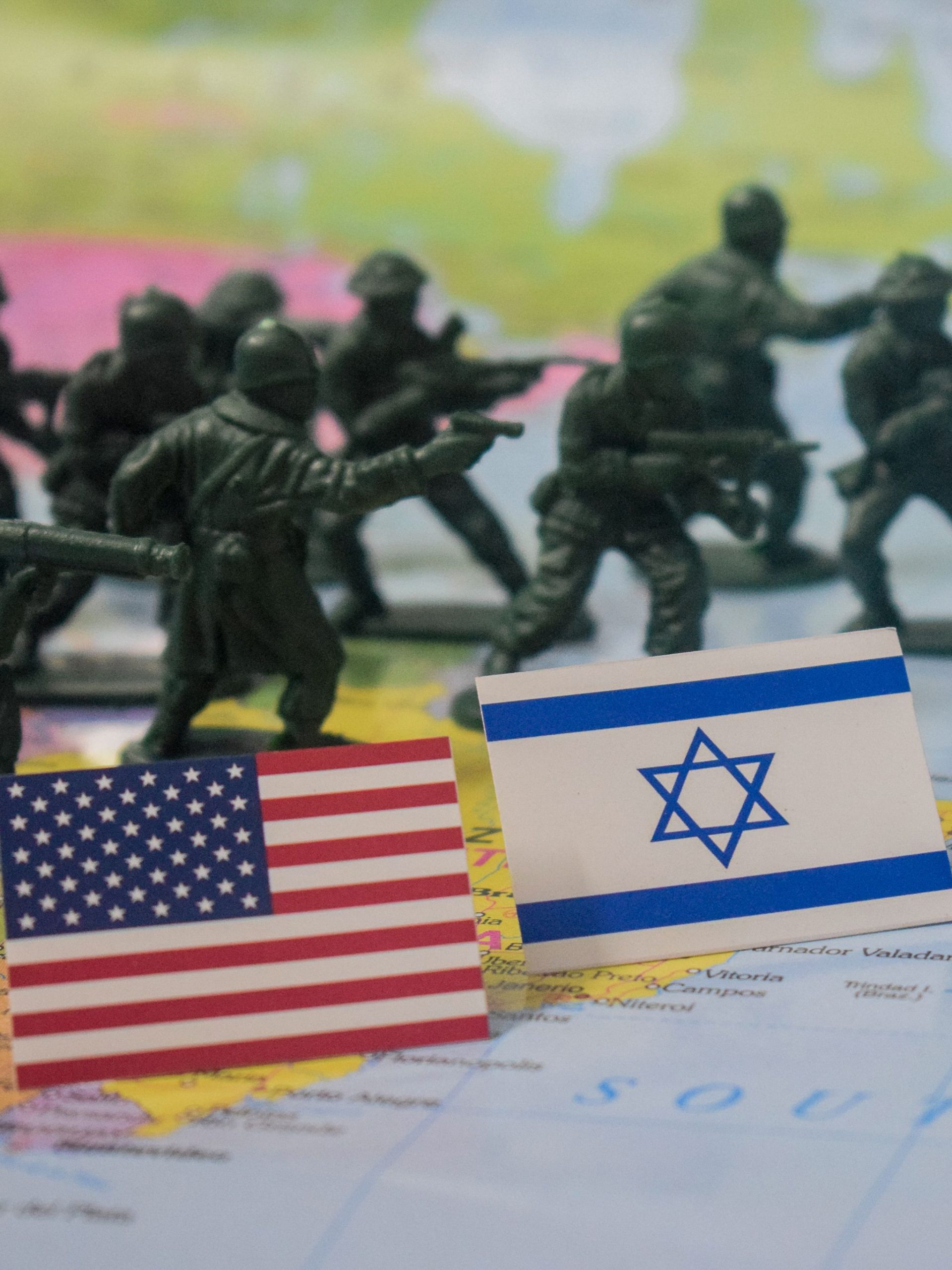
Analyzing Public Perceptions of the Iran Conflict in Israel and Beyond
The ongoing dynamics of the Iran-related conflict, particularly in the context of Israel, have garnered significant attention and varied interpretations globally. In Western discourse, the prevailing narrative often frames the recent developments as a setback for U.S. policies, sometimes characterizing the situation as a comprehensive setback or “disaster” for former President Donald Trump and American strategic interests.
Perspectives within Israel
Understanding how Israel perceives the current state of the conflict offers valuable insights into regional sentiments. Public opinion and political commentary within Israel tend to be more nuanced, reflecting a complex mix of strategic considerations, national security concerns, and political alignments.
1. Evaluation of the Conflict’s Progress
In Israel, perceptions about the trajectory of the Iran conflict are diverse. Some view recent developments as a strategic challenge, emphasizing the volatile security environment and the potential for escalation. Others interpret the situation as an opportunity to recalibrate defenses or leverage diplomatic initiatives. Overall, many Israelis are watching closely, with opinions shaped by recent military and diplomatic events.
2. Attitudes Toward U.S. Leadership and Strategic Patience
A notable point of discussion pertains to former President Trump’s cautious approach or reluctance to escalate military involvement further. Within Israel, some segments see Trump’s restraint as a pragmatic stance, prioritizing de-escalation and regional stability. Others might interpret it as missed opportunities to apply pressure on Iran or prevent regional destabilization. Public attitudes vary, but there is recognition that U.S. policy has a direct impact on Israel’s security calculus.
3. Assessing Netanyahu’s Political and Strategic Outcomes
The current Israeli leadership, especially Prime Minister Benjamin Netanyahu, faces scrutiny regarding how the conflict’s developments reflect on their administration. Opinions differ on whether their handling of the situation signifies a strategic success or highlights vulnerabilities. Some perceive Netanyahu as effectively navigating security concerns, bolstering national resilience. Others criticize perceived missteps or insufficient measures to counter Iran’s influence.
4. Additional Factors and Context
Beyond these core topics, several additional considerations influence the regional discourse:
- The role of regional alliances and international diplomacy.
- Public sentiment about military versus diplomatic solutions.
- The impact of recent elections and political shifts within Israel.
- The broader geopolitical landscape, including the stance of neighboring countries and global powers.
Conclusion
The sentiment surrounding the Iran conflict in Israel remains dynamic and multi-faceted. While Western narratives often critique U.S. policies or perceive the situation as a setback, Israeli perspectives tend to be more focused on security, diplomatic maneuvering, and leadership effectiveness. As events continue to unfold, understanding these varied viewpoints is essential for comprehending the regional implications of this ongoing conflict.
For ongoing updates and in-depth analysis on the Middle East geopolitical landscape, subscribe to our newsletter or follow our official channels.