Understanding the Nature of Israel as a “Jewish State”: A Comparative Perspective
The designation of Israel as a “Jewish state” often prompts nuanced discussions about its national identity and the extent to which religion influences its governance and societal structure. A common question arises: Is Israel’s identity as a Jewish state comparable to how countries like Iran, Saudi Arabia, and Afghanistan are characterized as Islamic states, where religion is deeply intertwined with government and daily life? Or does Israel resemble Western nations that incorporate Jewish symbols and cultural markers, creating a national identity that feels Jewish but operates primarily within a secular or Western political framework?
To explore this, it’s essential to consider the defining features of religious states versus secular or culturally nationalistic states. Countries such as Iran, Saudi Arabia, and Afghanistan are often identified as Islamic states because religion fundamentally guides their legal systems, governance, and social norms. In these nations, Islamic law (Sharia) plays a central role, and religion permeates public policy and societal expectations.
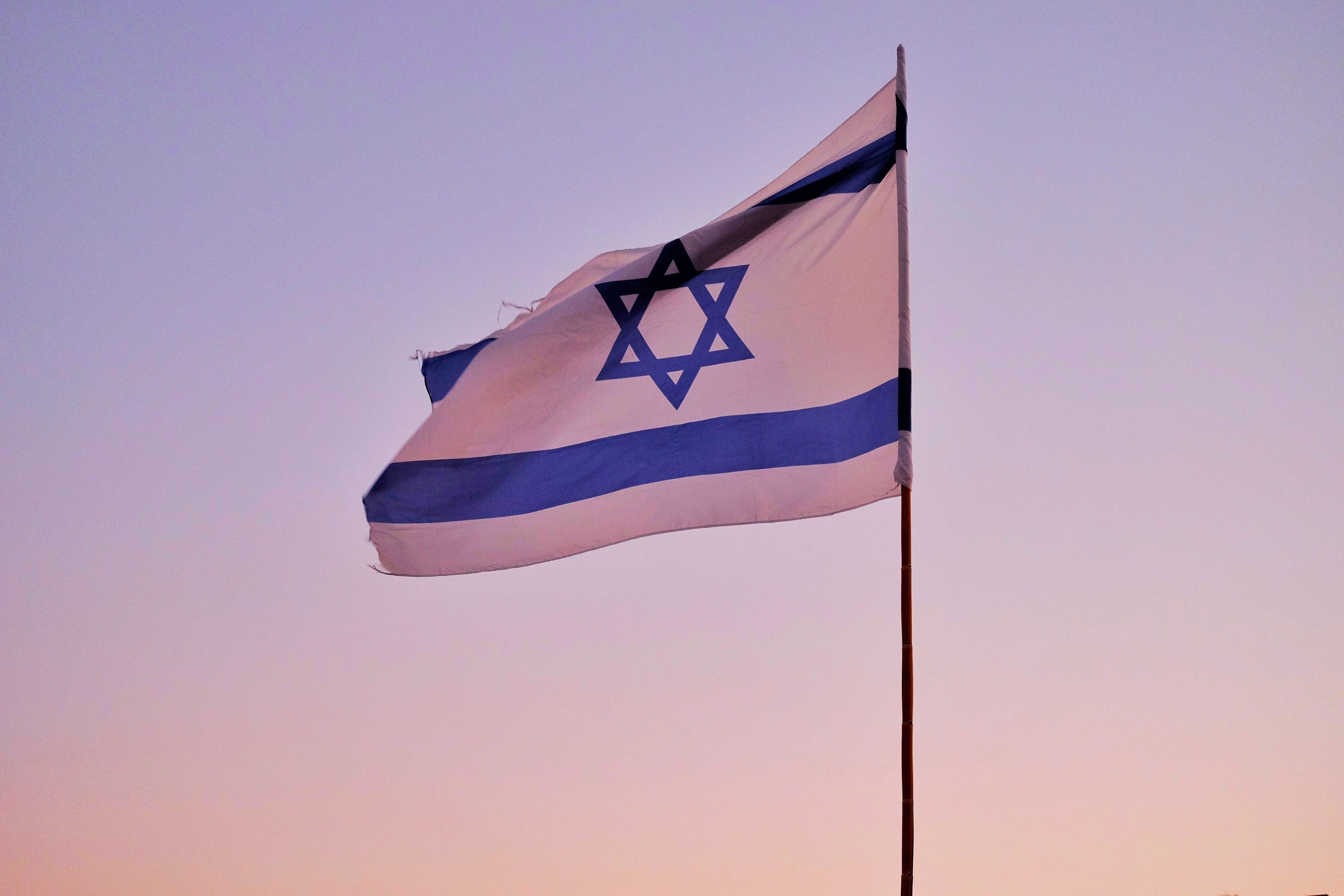
In contrast, Israel’s situation is more complex. While it proudly identifies as the Jewish homeland and incorporates Jewish symbols, holidays, and cultural heritage into its national identity, its political and legal systems are largely rooted in democratic principles, secular laws, and a commitment to pluralism. The state’s establishment was primarily driven by national and historical considerations linked to the Jewish people, rather than an overarching religious doctrine mandating government policies based on Jewish law.
This distinction has practical implications. For instance, certain aspects of Israeli law, such as marriage, divorce, and personal status, are governed by religious authorities, and religious communities have significant influence in some areas. However, Israel maintains a legal framework that allows for civil rights, political pluralism, and protection for minority groups, aligning more closely with Western democracies than with theocratic nations.
The perception of Israel as a “Jewish state” can thus be superficial or symbolic. While many national symbols, holidays, and cultural practices evoke Jewish heritage, the functioning of the state, legal institutions, and civil liberties operate within a largely secular and democratic context. This hybrid identity often sparks debate: Is Israel’s status primarily cultural and symbolic—or does it reflect a deeper integration of religion into state policy?
In conclusion, Israel’s identity as a Jewish state does not neatly fit into the category of Islamic or other religious states like Iran or Saudi Arabia. Instead, it embodies a unique fusion—grounded in Jewish cultural and historical identity, yet structured predominantly as a democratic nation with secular institutions. Recognizing this distinction is crucial for understanding the complex dynamics that shape Israel’s national identity and its role within the broader international community.