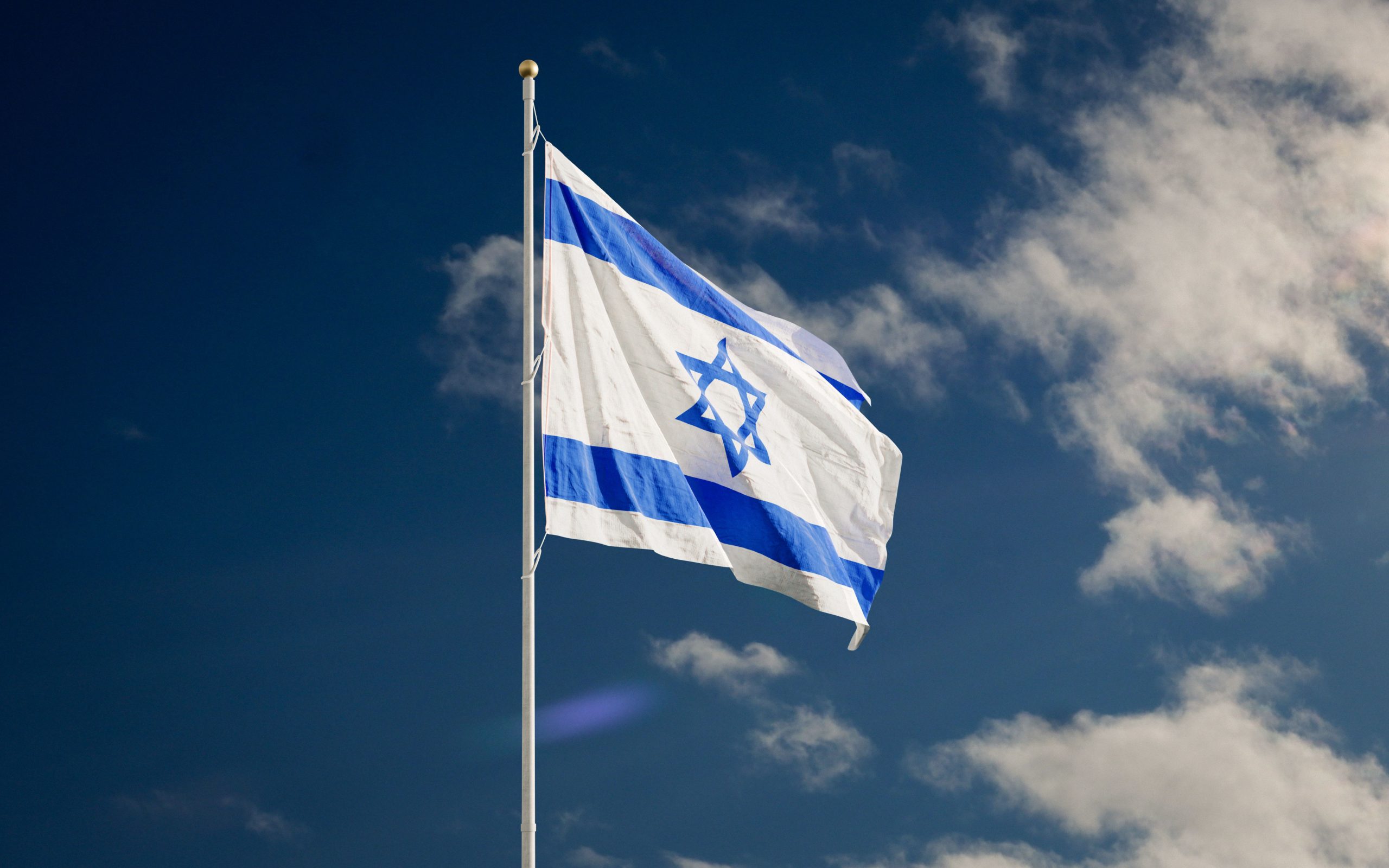
Understanding Secular and Atheist Identities in Israeli Society
The diverse fabric of Israeli society encompasses a wide spectrum of religious beliefs, cultural identities, and national affiliations. Among these, the experiences of individuals raised in secular or atheist households offer a fascinating insight into the evolving perception of religion and ethnicity in Israel.
Prevalence of Secular and Atheist Upbringings in Israel
In Israel, it is relatively common for individuals to grow up in families where religious practice and belief are minimal or absent. Many households prioritize cultural, historical, or national identity over religious observance. Children from such backgrounds often have the freedom to choose their relationship with Judaism and its practices as they mature, reflecting the country’s complex interplay between religion, ethnicity, and personal choice.
Social Perceptions and Acceptance
Within Israeli society, attitudes toward secular or atheist individuals vary based on community, geographic location, and social circles. In cosmopolitan urban centers like Tel Aviv, openly secular or non-religious lifestyles are largely unremarkable and widely accepted. Conversely, in more traditional or religious communities, such identities may sometimes encounter social stigma or pressure to conform, particularly in insular or religiously observant groups.
Jewish Identity: Beyond Religious Practice
A central point of discussion is the distinction between Jewish identity as a religious faith and as a cultural, ethnic, or national identity. Many Israelis interpret their Jewishness as an intrinsic part of their heritage and nationality, independent of religious belief or practice. It is entirely possible—and generally socially acceptable—to identify as Jewish culturally or ethnically, without attending synagogue, observing religious rituals, or believing in God. Such nuances are often understood and respected within mainstream Israeli society, especially among younger generations and in secular communities.
The Extent of Disconnection from Judaism
For some, the concept of having minimal or no connection to Judaism beyond family lineage resonates with their personal identity. While this may still be accepted socially, experiences can vary depending on the community context. In certain circles, complete disassociation from religious practices may be seen as unconventional, but it seldom leads to outright rejection. The emphasis on individual choice and the recognition of Judaism as a multifaceted identity help foster a broad acceptance of diverse expressions of Jewishness.
Conclusion
In summary, Israel’s societal landscape accommodates a wide range of identities regarding religion and ethnicity. Being Israeli, Jewish culturally or ethnically, and practicing religious Judaism are distinct facets that can be independently expressed. As the country continues to modernize and cultural attitudes shift, the acceptance of secular and atheist perspectives grows, reflecting a society that increasingly values individual agency in defining one’s identity.
For those interested in understanding these dynamics more deeply, especially from the perspective of Israelis raised in secular or non-religious environments, personal experiences and firsthand accounts provide invaluable insights into the nuanced relationship between belief, culture, and national identity in Israel.