Living as Arab and Palestinian Citizens of Israel: Perspectives and Realities
The socio-political landscape of Israel is complex and multifaceted, especially for Arab and Palestinian citizens who constitute approximately one-fifth of the nation’s population. Their lived experiences are shaped by historical contexts, societal dynamics, and ongoing political developments. This article aims to explore the realities faced by Arab and Palestinian citizens of Israel, addressing key aspects such as discrimination, political representation, societal relations, and personal freedoms.
Social and Economic Experiences
Many Arab and Palestinian citizens of Israel encounter varying degrees of discrimination across social, educational, and economic spheres. While there are vibrant communities engaged in diverse sectors, systemic challenges often hinder equitable access to opportunities. For instance, disparities in employment rates, income levels, and educational resources are commonly reported. Such inequities can influence daily experiences, including interactions within the broader Israeli society and access to public services.
Perspectives on Palestinians in the West Bank and Gaza
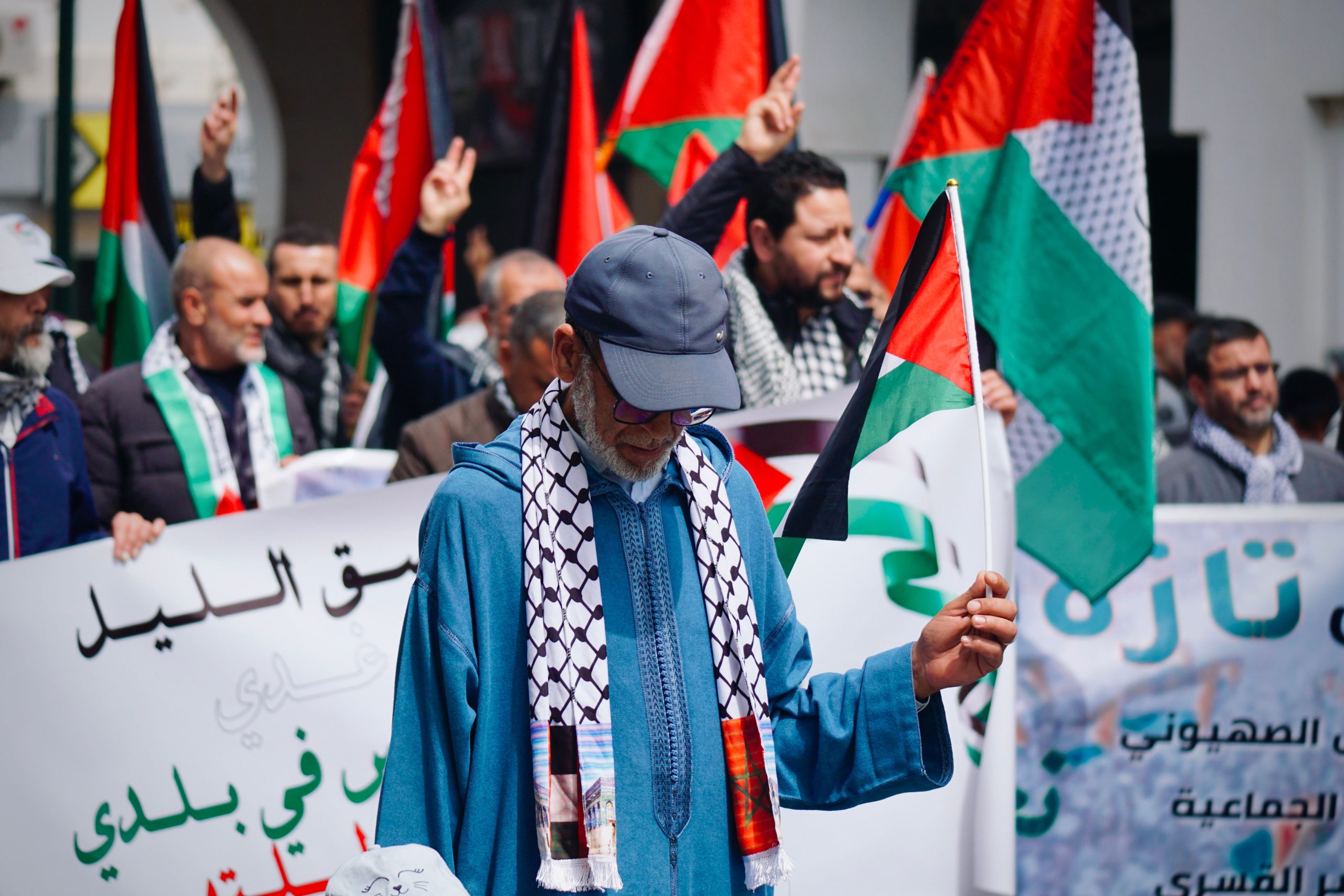
Attitudes towards Palestinians in the West Bank and Gaza are complex and often influenced by geopolitical developments, media narratives, and personal beliefs. Many Arab citizens of Israel recognize the shared history and cultural ties with Palestinians in the occupied territories. However, political stances vary widely—from advocacy for Palestinian rights and reunification to cautious support, shaped by security concerns and national identity. These perspectives are often reflected in community discussions, political activism, and personal relationships.
Political Representation and Civic Engagement
Representation in government and political institutions remains a critical issue for Arab citizens of Israel. While they participate actively in elections and have elected representatives, many express concerns about their voice being adequately heard and considered in policymaking processes. Issues such as land rights, cultural preservation, and social justice are central to ongoing debates about political inclusion.
Freedom of Movement and Policy Restrictions
Restrictions on movement can impact Arab and Palestinian citizens, especially in relation to access to the West Bank or other areas within Israel. While most citizens enjoy freedom of movement within Israel, certain circumstances—such as security measures, checkpoints, and permits—may impose limitations, influencing daily life, economic opportunities, and familial connections.
Religious Composition and Inter-community Relations
The Arab population in Israel is religiously diverse, comprising predominantly Muslims and Christians, with some members adhering to other faiths. The religious landscape often reflects broader societal interactions, with many communities coexisting amicably. Nonetheless, tensions between different religious groups do occasionally surface, influenced by political, social, or economic factors. Promoting dialogue and understanding remains vital for fostering harmony among these communities.
Conclusion
Living as an Arab or Palestinian citizen of Israel involves navigating a complex array of social, political, and personal realities. While many face challenges related to discrimination and representation, they also continue to contribute significantly to Israeli society across various domains. Recognizing these nuanced experiences is key to fostering greater understanding and working toward a more inclusive and equitable future.
Disclaimer: This overview aims to provide a broad perspective and recognizes the diversity of individual experiences within the Arab and Palestinian communities in Israel. Each community member’s story may differ based on personal circumstances and beliefs.