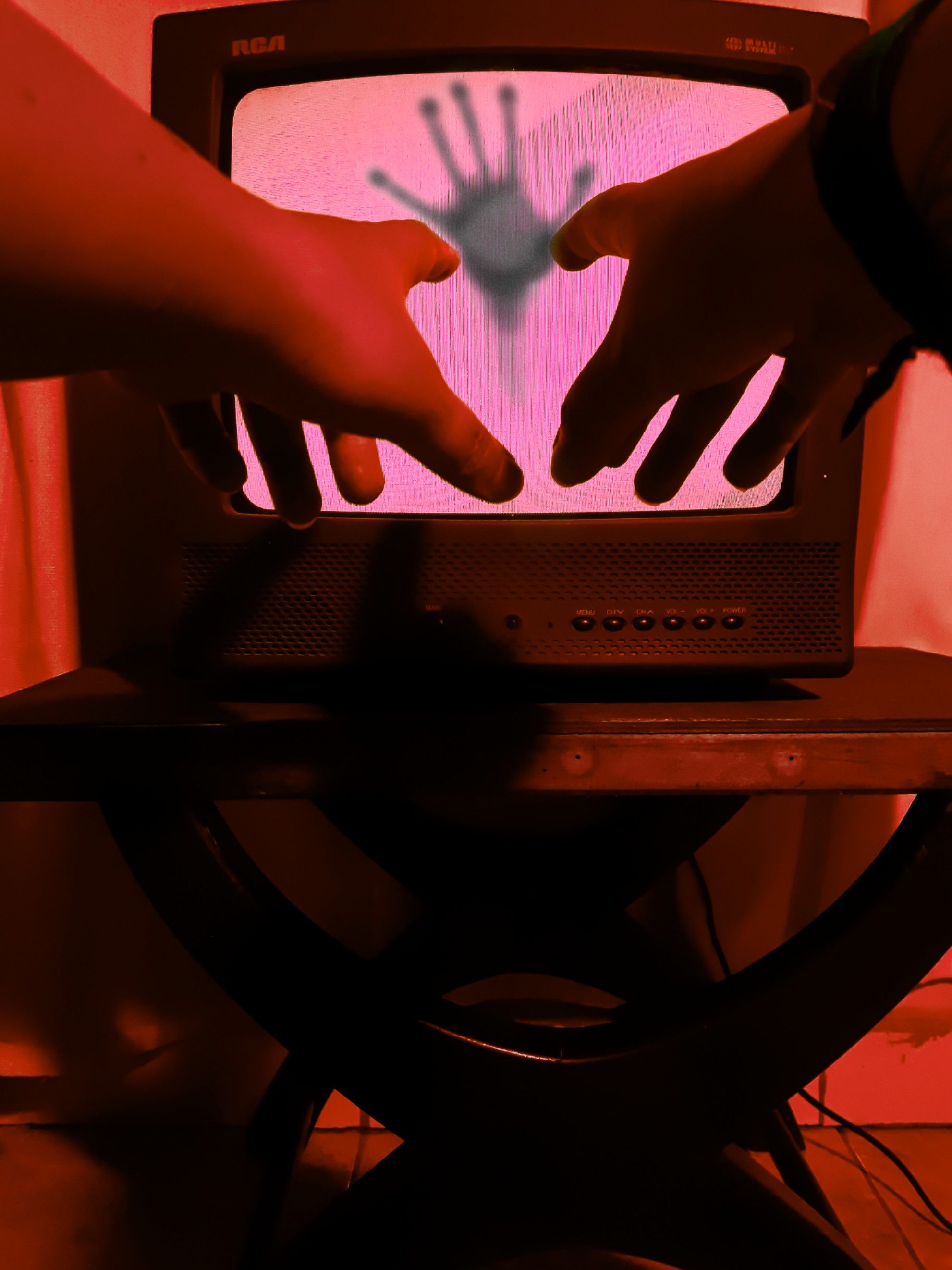
Title: The Allure and Ambiguity of Ghosts on Film: Investigating a Haunted-Video Mystery
Introduction: When a single frame becomes a cultural prompt
In an age saturated with smartphone footage, a single ghostly clip can ignite a fever of discussion that lasts years. The Reddit repost of a “haunted video”—featuring a woman in a white dress gliding past a doorway—exemplifies how a fragmentary image can provoke more questions than answers. Beyond the thrill of the uncanny, such clips invite a careful methodological approach: how do we distinguish authentic display from misdirection, how should we weigh context and suspicion, and what do these moments reveal about our relationship with fear, memory, and the digital public square?
This article treats the video not as a definitive apparition but as a case study in how paranormal claims circulate, how investigators evaluate them, and what the broader implications are for folklore, media literacy, and cognitive biases. We will explore the social dynamics that sustain haunted-video lore, the practical tools and standards used by investigators, and the reasons why such footage, even when debatable, endures in public imagination.
1) The anatomy of a viral ghost clip: why some frames captivate
To understand the staying power of this clip, it helps to map its appeal along several dimensions:
-
Ambiguity as a narrative engine: A doorway scene can feel decisive in a few seconds, yet the surrounding details—lighting, movement, sound—may be underdetermined. Ambiguity invites projection: viewers fill gaps with personal fears or cultural scripts about what a ghost should look like.
-
Temporal resonance: The concept of a haunting is ancient, but the digital age has reframed it. A fleeting, reproducible image becomes a modern relic—easily shared, endlessly remixed, and persistently searchable. The clip becomes a node in a network of folklore that grows each time someone reposts or reinterprets it.
-
Aesthetics of the uncanny: A woman in a white dress, often associated with bridal imagery, traversing a doorway, triggers symbolic cues about vulnerability, transition, and the boundary between life and afterlife. Such imagery leans into archetypes that cultures have used for centuries to communicate unease.
2) What counts as “proof” in a paranormal video
A rigorous assessment of any paranormal clip must distinguish belief from verifiable fact. Several criteria help frame that evaluation:
-
Provenance: Where did the clip originate? Is there verifiable metadata, original upload dates, and corroborating context (location, time, witnesses)? A credible chain of custody strengthens or weakens paranormal claims.
-
Technical analysis: Video artifacts can masquerade as phenomena. Analysts examine frame rates, lighting inconsistencies, possible digital manipulation, and known techniques such as looping, chroma-key overlays, or compression anomalies that can create the illusion of movement or a spectral presence.
-
Behavioral realism: Does the “entity” behave in ways that align with plausible physics within the scene, or are there implausible accelerations, consistent motion beyond natural limits, or uncanny stops that suggest tampering or staged performance?
-
Corroboration across sources: A solitary clip is less convincing than a pattern: multiple, independently verified recordings from different angles and circumstances, all attempting to document a similar phenomenon.
3) The line between folklore and counterfeit: what the clip can tell us about belief systems
Even if the video cannot be proven real beyond reasonable doubt, its persistence reveals something valuable about human psychology and culture:
-
Folkloric continuity: Haunted spaces, protective warding, and ethereal visitors recur across cultures. Modern digital artifacts can be seen as a new vector for timeless stories—updated with contemporary technology but retaining ancient themes of unknown forces entering domestic life.
-
Community validation: Online communities create feedback loops that either debunk or reinforce claims. Likes, upvotes, and comment threads act as social proof mechanisms, shaping what viewers come to accept as credible.
-
The ethics of appearance and danger: When sensational paranormal content is sensationalized, it can cause real-world harm—misplaced fears, strained relationships in households, or the misallocation of time and resources by those convinced they’ve witnessed something unexplainable. Responsible sharing and critical framing matter.
4) Methodologies for evaluating similar footage
For readers who want to approach paranormal clips with disciplined curiosity, here are practical steps:
-
Seek the full context: Look for information about when, where, and under what conditions the footage was captured. Documented context reduces the risk of cherry-picked frames or misinterpreted moments.
-
Validate with independent experts: Where possible, consult professional videographers, forensic analysts, or parapsychology researchers who can articulate what is technically plausible vs. extraordinary.
-
Consider cognitive biases: Be aware of pareidolia (seeing faces or figures where none exist), confirmation bias, and the storytelling impulse that predisposes us to interpret ambiguous cues as supernatural.
-
Compare with baseline footage: Analyze similar scenes under controlled conditions to understand typical reflections, shadows, or motion that could mimic a ghostly appearance.
5) Case studies: what parallels teach us about this kind of footage
While we should refrain from fabricating examples, examining well-documented patterns helps readers evaluate new clips:
-
Recurrent motifs in paranormal video: Many famous “haunted” clips share a consistent rhythm—low light, a doorway or threshold, a figure with minimal motion that suddenly appears. These cues warrant particular scrutiny for tampering versus natural phenomena like draped fabric movement, reflections, or camera shake.
-
The role of setting: Old houses, long corridors, stairwells, and entryways often become theater for the uncanny because architecture itself carries historical weight. Understanding the space can illuminate whether the clip’s chills arise from environment or fabrication.
-
The impact of audience framing: Preconceived narratives can guide interpretation. A video released with a cautious, skeptical caption invites different scrutiny than one framed as definitive proof.
6) What action-oriented readers can take
If you encounter a clip like the one described, here are sensible, constructive steps:
-
Practice disciplined skepticism: Accept that a moment of fear is legitimate, but demand methodological clarity before accepting a claim as extraordinary.
-
Protect credibility and consent: If you discuss or publish analysis, avoid sensationalism that overstates certainty. Name limitations, acknowledge unknowns, and refrain from implying individuals in the footage intended harm or deception without evidence.
-
Foster media-literacy conversations: Use such clips as teachable moments about how digital media shapes belief, how to assess evidence, and how to communicate uncertainty responsibly.
7) The practical takeaway: what this clip represents in a larger picture
Even if the video remains interpretable as either genuine mystery or cleverly staged fiction, its enduring appeal lies in how it frames our relationship with the unknown. In a century where we increasingly inhabit screens, the threshold between the ordinary and the extraordinary has become a frontier we cross repeatedly, often without leaving the couch. The video invites us to experience the thrill of possibility while practicing intellectual humility.
Conclusion: Engaging curiosity without surrendering rigor
Haunted videos are not simply about “proof of the supernatural.” They are portals into a broader inquiry: how we perceive reality, how communities construct shared meanings, and how new technologies reshape ancient human fascinations. The next time you encounter a clip of a woman in a white dress gliding past a doorway, approach it with a balanced mind—curiosity that invites questions, not conclusions; skepticism that invites inquiry, not cynicism; and a willingness to distinguish the compelling narrative from the evidentiary one.
Notes for further exploration (for editors and researchers):
– When possible, publish a follow-up article that includes technical analyses from video-forensics, expert commentary from videographers, and a transparent, methodical evaluation of provenance.
– Encourage readers to submit their own analyses with a standardized checklist, fostering community-driven yet disciplined examination.
– Consider collaborating with local historians or folklorists to situate the clip within broader traditions of haunting lore and contemporary digital folklore.