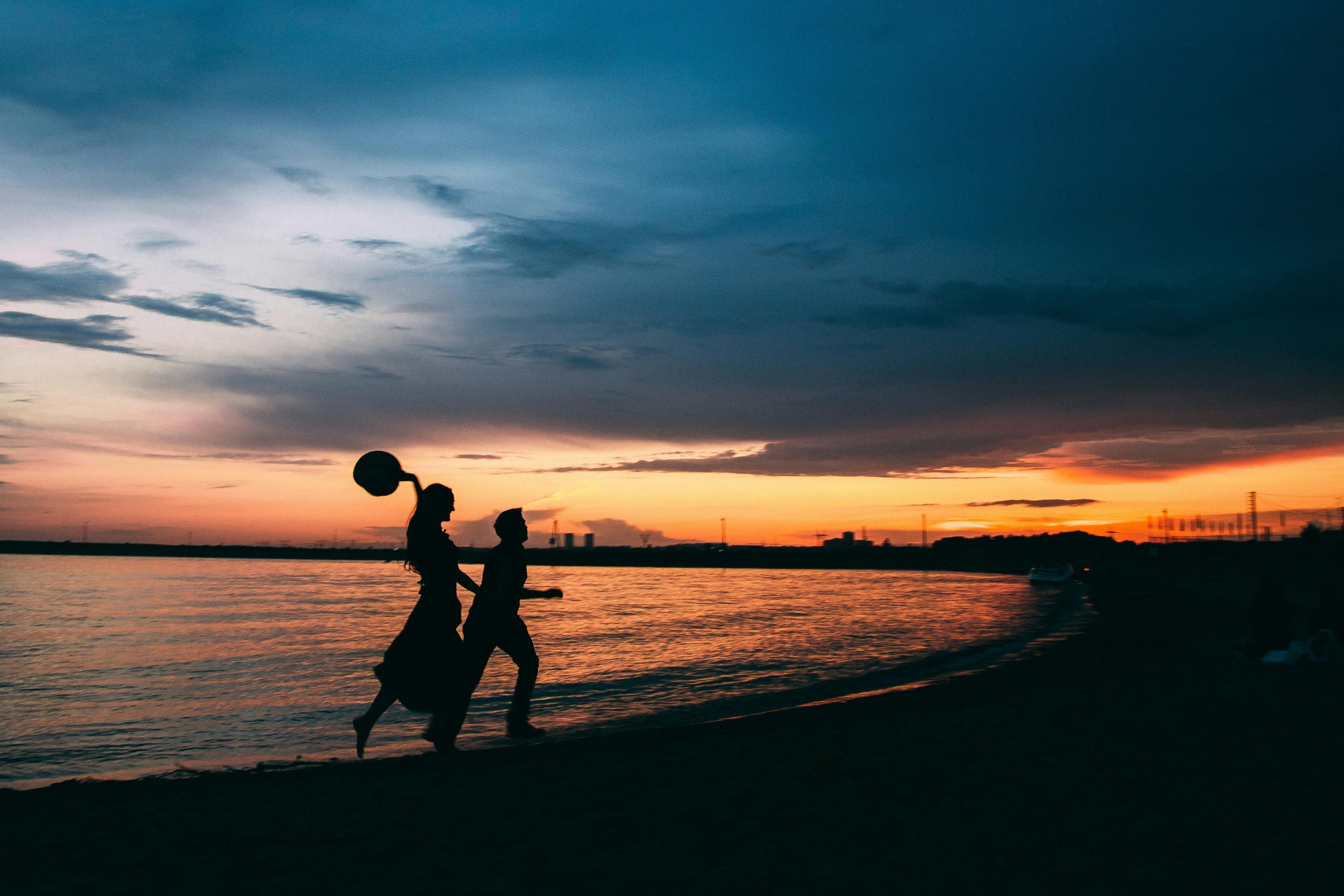
Nova Music Festival — Before The Attack
The moment you type a URL into the address bar, you are conjuring a ritual as old as cities, even if the screen glow feels entirely new. A simple keystroke—f, o, r, m, e, a, n, t, h, e, m, i, x—lands you in a space where nothing tangible seems to exist, and everything is suddenly present. The browser hums to life, and with it, a cascade of unseen assistants wakes up: a DNS resolver whispering to itself, a handshake in the ether, a route chosen from a labyrinth of routers, a fiber cable drawing breath beneath oceans. In milliseconds, your intention—the desire to listen to a song, to read a headline, to buy a ticket—travels from your fingertip to a distant server, and back. It is a miracle of speed, yes, but more: a ritual of trust. You trust that the words on the other end will be there, that the music will play, that the image will load, that the story will arrive unbroken. The keystroke is the pageantry; the unseen choreography is the gospel.
If you linger long enough on the act of typing, you might hear a different music—the quiet, faithful chorus of infrastructure that makes the moment possible. A tiny, almost imperceptible symphony of protocols, from TCP to TLS to HTTP, battering and harmonizing as packets march like careful soldiers. The request leaves your device, seeking a domain, not a string of numbers but a signal that this digital world you know as a seamless surface is, at its core, a joint venture among many hands: registrars and root servers, registries and mirrors, backbones and peering points, dark fibers laid in the earth and sea. A domain name is not merely a house with a street address; it is a contract, a license, a cognitive anchor, a public decree that says: here, for this moment, a brand’s voice has an unseen door in a global city of networks.
The article you have clicked into, the one that invites you to stroll through a festival’s memory before a catastrophe, becomes a lens for this other story—the story of what a domain actually does. A human readable label—NovaMusicFestival.com, perhaps—becomes the front door to a much larger house. It is the legal deed of a digital brand, the pointer that bets on reliability and identity in the unpredictable wilds of the internet. It is the underground map that promised you a shortcut to art, to culture, to belonging, and in return requires a global, layered infrastructure that your attention rarely notices. Every time you tap a link, you are consenting to a chain of trust: the registrar’s administrator approving the human-readable promise, the registries maintaining the global directory, the root servers holding the ultimate truth about where to find that promise, and the thousands of routing decisions that carry the signal to your screen and back again.
To speak of domains is to speak of a shared sense of place in a volatile universe. We once navigated by numbers—IP addresses that looked like coordinates on a map, precise yet alien to most. Then the jungle of digits grew a skin: letters, words, and a brand’s name embedded in memory. Humanity traded the cold clarity of numeric strings for the warmth of language, creating a new kind of map where anyone could remember a route not as a sequence of digits but as a story: “NovaMusicFestival.com” is a signpost in a global city of signals. And with that abstraction came a responsibility: the domain must be protected, renewed, defended, because it stands for more than a venue or a festival. It stands for trust in a brand’s future, a promise that a listener can find the next note, the next story, the next moment of belonging.
Yet, if you tilt your ear toward the infrastructure beneath the surface, a different ache emerges. We live with a remarkable blindness about where our digital real estate actually resides. We assume that the world will always resolve our requests—no matter where we are, no matter what hour—through a coordination of registrar networks, root servers, and TLD registries. We assume that the system will scale, never falter, never forget the address we typed last night or the one we will need tomorrow. And perhaps, in doing so, we forget that the internet is not a map drawn on a shared parchment but a living organism with nerves and arteries. The domain is its neural network: synapses that blink in microseconds, misfires that ripple across continents, a fragile bridge spanning oceans of routers and fiber, copper and glass. The elegant, almost martial, choreography of packets marching through this nervous system is a reminder that our digital convenience is built on a quiet courage—a willingness to trust strangers at a scale no previous civilization could have imagined.
The narrative of a festival—its music, its laughter, its fleeting, luminous life—points toward a more profound meditation. A domain becomes an invitation to memory, but memory in the digital sense is not a single file or a moment that vanishes with time. It is a distributed, shared responsibility, a web of assurances about identity, availability, and continuity. When you click into that domain, you are not merely navigating to content; you are stepping into a contract that the internet will present that content to you, that the content will be delivered as intended, that the digital space will remain accessible to you, and that the brand you trust remains anchored in a world that grows more complex with every passing day.
In the end, the story of Nova Music Festival, told through the lens of a domain and the invisible architecture surrounding it, asks a patient, almost paradoxical question: how do we love something that we barely acknowledge? We love the ease of a browser’s memory, the speed of a global request, the feeling that the world can be accessed with a single word. But love, to be authentic, must be earned again and again by attention given to the fragile, indispensable infrastructure that makes that dream possible. The digital real estate we traverse daily—domains, DNS, root servers, registries, and the long, quiet lines of fiber beneath us—asks for stewardship. It asks for humility in the face of a system that works not by magic but by meticulous, collective effort.
As you move through your day, let the momentary ease register as more than comfort. Let it be a doorway to wonder about what, exactly, you own when you own a domain, and what you owe to the global web of trust that keeps every request honest and every response delivered. The cyberspace we inhabit is a living, breathing nervous system, and each domain is a node with a name and a responsibility: to be found, to be trusted, to be used with intention. The next time you type a URL, listen for the faint echo of that system’s heartbeat—the cascading handshake, the routing arc, the final echo in your speaker—and carry with you a sense of responsibility for the invisible bridges you rely on to listen, to learn, to belong. The internet is a grand orchestration, and every domain is a note within it. Treat the notes gently, and maybe, just maybe, we will keep hearing the music.