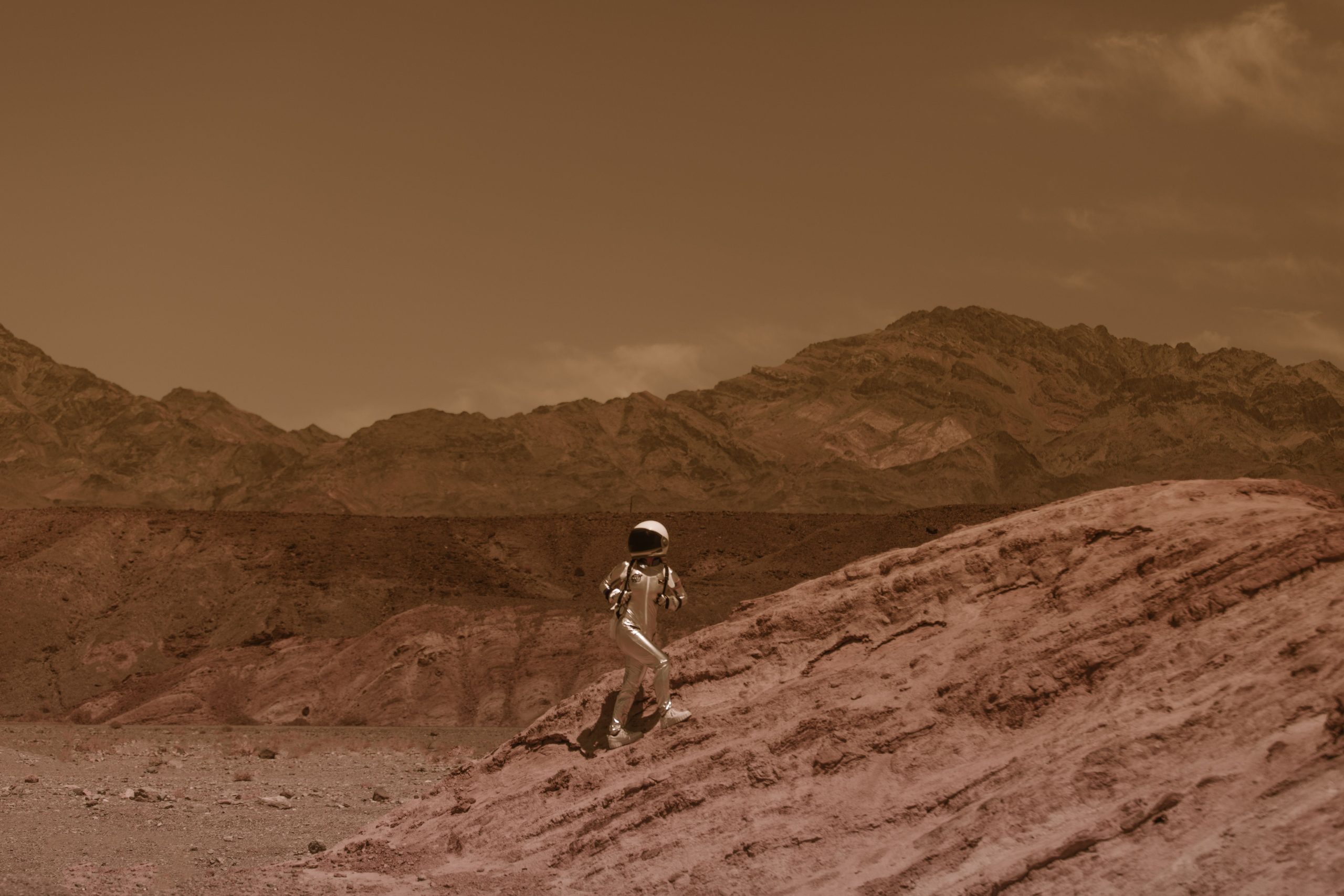
Exploring the Mysteries of Mars: A Child’s Claim and Scientific Evidence of Past Nuclear Activity
In the realm of extraterrestrial research and ancient mysteries, intriguing narratives often emerge that challenge our understanding of planetary history. One such story involves a young Russian boy, Boriska Kipriyanovich, who gained media attention in 2003 for claiming to have lived a past life on Mars. According to Boriska, the ancient Martian civilization was decimated by a catastrophic nuclear war, an assertion that, while extraordinary, echoes recent scientific findings related to Mars’s geological history.
A Childhood Claim with Cosmic Implications
At just seven years old, Boriska Kipriyanovich captivated audiences with his assertive claims of having possessed Martian memory. He described Mars as once being a vibrant planet inhabited by intelligent beings and warned of a devastating nuclear conflict that led to their extinction. Although these claims are rooted in personal testimony and are not supported by mainstream scientific consensus, they have sparked curiosity and debate within the community interested in extraterrestrial life and planetary evolution.
Scientific Corroboration Through Space Exploration
Remarkably, Boriska’s assertions find a curious echo in the findings of modern space missions. In 2012, NASA’s Curiosity Rover landed on Mars and conducted extensive analyses of its soil and atmosphere. One of the significant discoveries from these investigations was the detection of elevated levels of Xenon-129—a noble gas isotope considered a byproduct of nuclear fission processes. The presence of Xenon-129 in Martian soil has been interpreted by researchers as evidence of a past nuclear event, possibly of a catastrophic nature.
Bridging Narrative and Scientific Evidence
While Boriska’s story is anecdotal and rooted in personal experience, the scientific detection of Xenon-129 provides a tangible clue into Mars’s tumultuous past. That such a signature exists suggests that the planet may have experienced a nuclear-like event—whether due to natural radioactive processes or other cosmic phenomena—happening billions of years ago.
Conclusion
The convergence of a young boy’s extraordinary claim with scientific data underscores the enduring human fascination with Mars and its history. While it remains to be seen whether Boriska’s recounting reflects actual past events or is a product of imagination, the scientific community’s findings continue to fuel our curiosity. As space exploration advances, future missions may uncover more definitive answers about the planet’s ancient history—and perhaps, whether a nuclear conflict did indeed mark its past.
References:
- NASA’s Curiosity Rover Mission (2012 Data)
- Studies on Xenon-129 in Martian Soil
- Reports on Martian Geological and Atmospheric Composition
Note: The interpretations presented here are based on current scientific understanding and available data. Claims from non-scientific sources should be approached with cautious curiosity.