The Ineffectiveness of Violence in Addressing Deep-Rooted Hatred
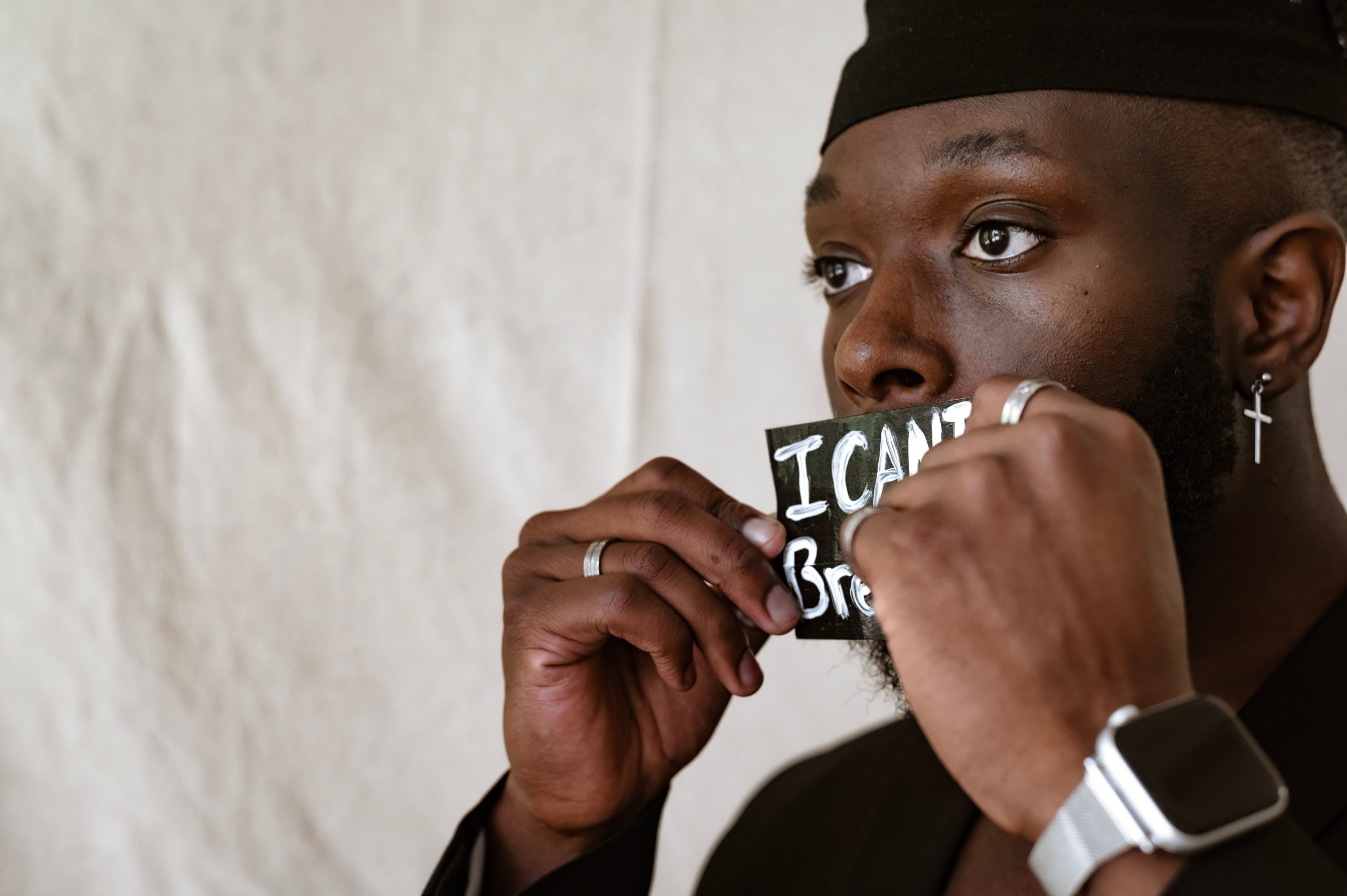
In the complex landscape of conflict resolution, it is a common misconception that violence—specifically, armed retaliation—can eradicate hatred. However, history and countless conflict studies demonstrate otherwise. Utilizing military force to target ideologies or emotions only perpetuates the cycle of violence, often exacerbating underlying grievances rather than resolving them.
When military actions are pursued with the aim of destroying perceived threats or enemies, the result frequently backfires. The more bombs and weapons deployed, the more vulnerable individuals are pushed toward radicalization. Communities affected by violence may see their members join extremist movements, both out of grief, rage, or a sense of injustice, fueling a cycle of retaliation. Those labeled as insurgents or resistance fighters are often swiftly branded as terrorists in the eyes of their oppressors, further dehumanizing and marginalizing them.
The toll of such violence is staggering. Reports indicate that thousands of innocent children have lost their lives due to ongoing conflicts, and countless others are maimed or scarred physically and psychologically. Such atrocities deepen the wounds of affected communities and generate profound resentment, providing fertile ground for hatred and extremism to flourish.
In understanding this dynamic, it becomes evident that violence, especially when used as a primary tool of foreign or domestic policy, rarely leads to peace. Instead, it entrenches divisions and creates new cycles of vengeance, making lasting reconciliation even more elusive.
My personal reflections, though informal, emphasize this point. In a world where mainstream political options often seem limited, I often find myself contemplating alternative visions of leadership. As a young woman in the United States, I joke about voting for unconventional candidates—like Dwayne “The Rock” Johnson—who embody qualities of strength and authenticity. More humorously, I might consider running for office myself, despite the obvious challenges.
These musings are just part of late-night reflections on hope, change, and the importance of addressing root causes rather than resorting to destructive tactics.
In conclusion, true progress requires breaking free from cycles of violence and embracing strategies that foster understanding, dialogue, and healing. Only by addressing the deeper issues—rather than relying on force—can genuine peace be achieved.