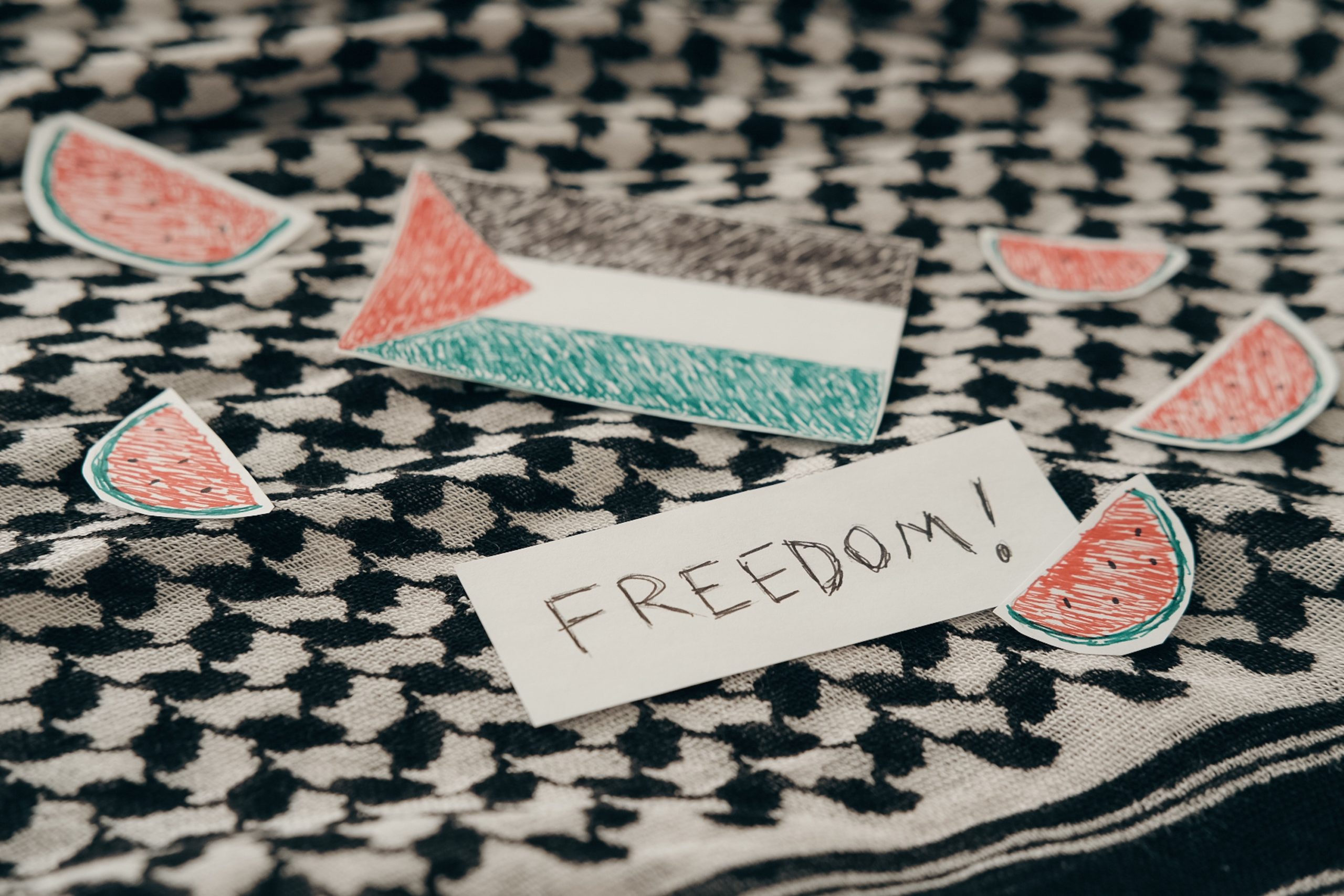
Understanding the Significance of Palestine: A Reflection on Western Values and Humanity
Palestine embodies a profound moral and ethical crossroads for the international community, particularly for Western nations that espouse principles such as liberty, justice, and human rights. The ongoing struggles faced by Palestinians serve as a litmus test, revealing the true strength and integrity of these values in practice.
While Palestine may not necessarily be more affected than regions like Ukraine, Myanmar, Kashmir, or the Congo, its importance lies in its unique relationship to the global Powers that influence its fate. Western countries, in particular, have a significant role—both historically and presently—in shaping the circumstances that lead to conflict, displacement, and suffering in Palestine. As major actors on the world stage, these nations possess the capacity—and arguably the moral obligation—to intervene and advocate for justice.
If we genuinely uphold Western ideals of liberty and justice, then the plight of Palestine must be at the forefront of our conscience. Issues such as the right to due process, free speech, and respect for international law are intimately connected to the Palestinian experience. The universal rights to access food, clean water, and medical care are denied to many Palestinians under occupation and blockade.
The safety of children is another stark indicator of the disparity: innocent lives often become victims of aerial bombings, targeted strikes, and the destruction of homes and hospitals—acts that violate fundamental human rights and international norms. The ongoing demolition of homes, displacement of families, and forced relocations evoke images of concentration camps and ethnic cleansing, which are unacceptable breaches of human dignity.
Moreover, the collective punishment faced by Palestinian communities—whether through starvation, destruction of infrastructure, or restrictions on movement—raises urgent questions about humanity’s commitment to justice. Protecting our shared biosphere and adhering to international laws further underscore the interconnectedness of peace, human rights, and environmental sustainability.
The question before us is this: How will we, as a global civilization, respond to this critical moment? Palestine symbolizes not only a specific geopolitical conflict but also the broader test of whether Western nations can live up to their proclaimed ideals. If all human lives truly matter, then our actions and policies must reflect that conviction.
In conclusion, Palestine’s significance transcends regional conflict—it challenges the very principles we claim to uphold. It is incumbent upon us to recognize this truth and to act in a manner that aligns with our highest aspirations for justice, equality, and human dignity. Only through heartfelt commitment and tangible action can we hope to demonstrate that the values we cherish are genuinely universal.