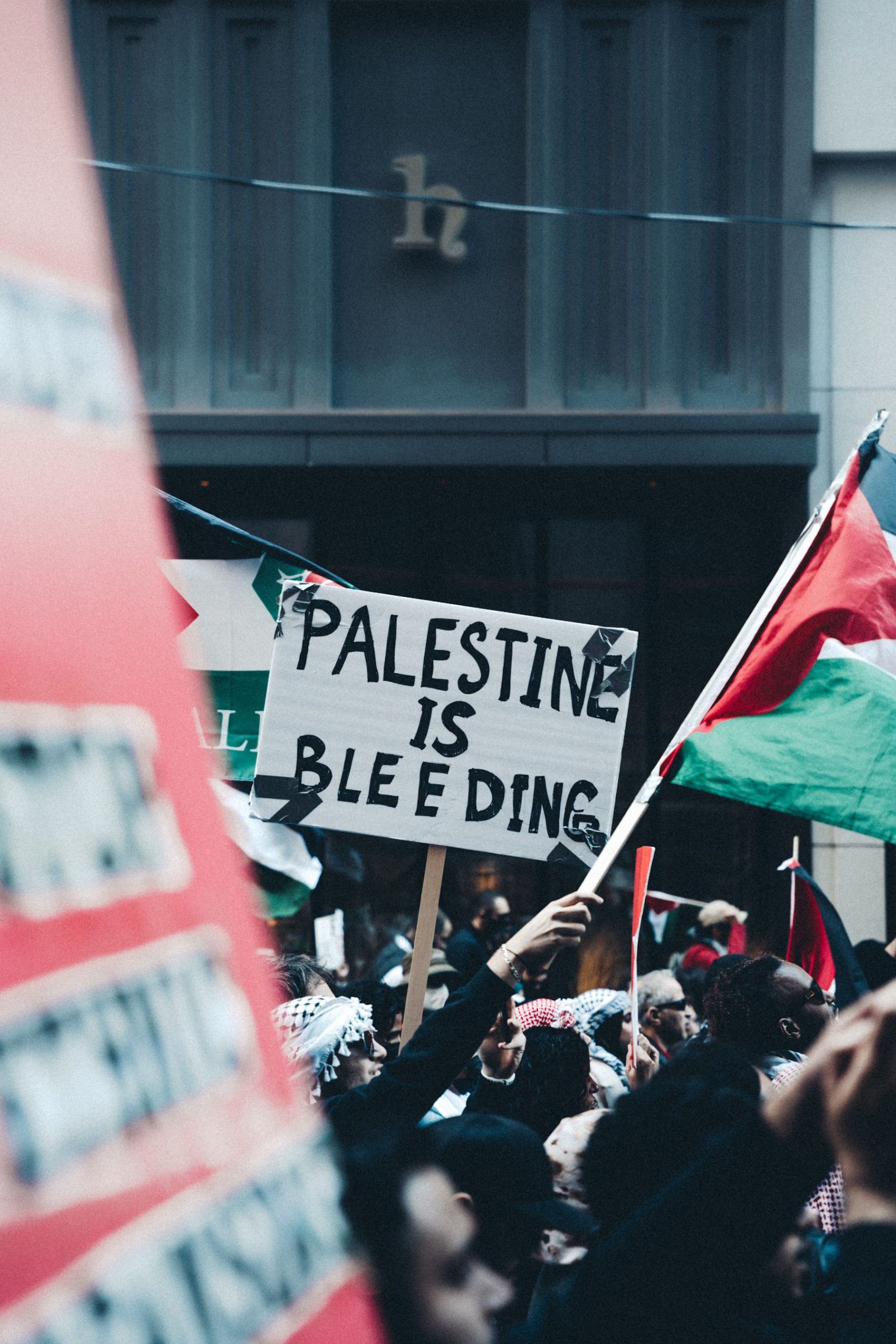
Understanding Misinformation and Denial in Perspectives on the Israel-Palestine Conflict
In recent discussions surrounding the complex and sensitive issue of the Israel-Palestine conflict, a troubling trend has emerged: the denial or skepticism of well-documented realities. Such attitudes can pose significant challenges to informed discourse and understanding.
A recent personal experience highlights this phenomenon vividly. During a family dinner with my boyfriend’s family—who are ardently supportive of certain political viewpoints—the conversation unexpectedly shifted to Israel and Palestine. Despite referencing credible reports, videos, and recent recognitions by international bodies such as the United Nations that confirm the severity of the ongoing conflict, the dialogue became dismissive and laden with misinformation.
The response from the family was indicative of a broader pattern of denial. For example, when I pointed out that numerous credible sources confirm the suffering of Palestinians and the disproportionate actions taken by certain authorities, the response was to attribute the reporting to propaganda, suggesting, “That’s a lie, what about Hamas? They only want you to believe that.” This dismissive attitude underscores how misinformation can be intertwined with political biases and preconceived narratives.
Further complicating the discussion was an alarming comment from the father of the household. In an attempt to cast doubt on the authenticity of visual evidence, he said, “Well, what makes you think that’s not AI by Hamas? AI is advanced these days that it could probably be like.” This statement reflects a concerning misunderstanding of technological capabilities and an attempt to discredit genuine media evidence through technological skepticism.
The most striking moment was when I diffused the argument and he proceeded to show me a photograph, claiming it was real footage. When I pointed out it was generated by AI, he insisted otherwise, illustrating how misinformation and digital manipulation can be used to distort reality and sow doubt.
This experience underscores the importance of media literacy and critical thinking in navigating complex geopolitical issues. The proliferation of AI-generated content and misinformation makes it increasingly difficult to discern truth from falsehood, especially when intended to influence public opinion or sow confusion.
Addressing this challenge requires education, awareness, and open, fact-based dialogues. It’s crucial for individuals and communities to seek credible sources, question narratives, and recognize the tactics used to distort information.
In conclusion, the difficulty some people have in accepting the reality of the Israel-Palestine conflict exemplifies broader issues of misinformation, technological manipulation, and confirmation bias. Recognizing these challenges is the first step toward fostering a well-informed and empathetic understanding of such complex and ongoing international issues.
Author’s note: Engaging thoughtfully with differing perspectives is vital, especially on sensitive topics. Promoting accurate information and respectful dialogue helps build understanding and compassion.