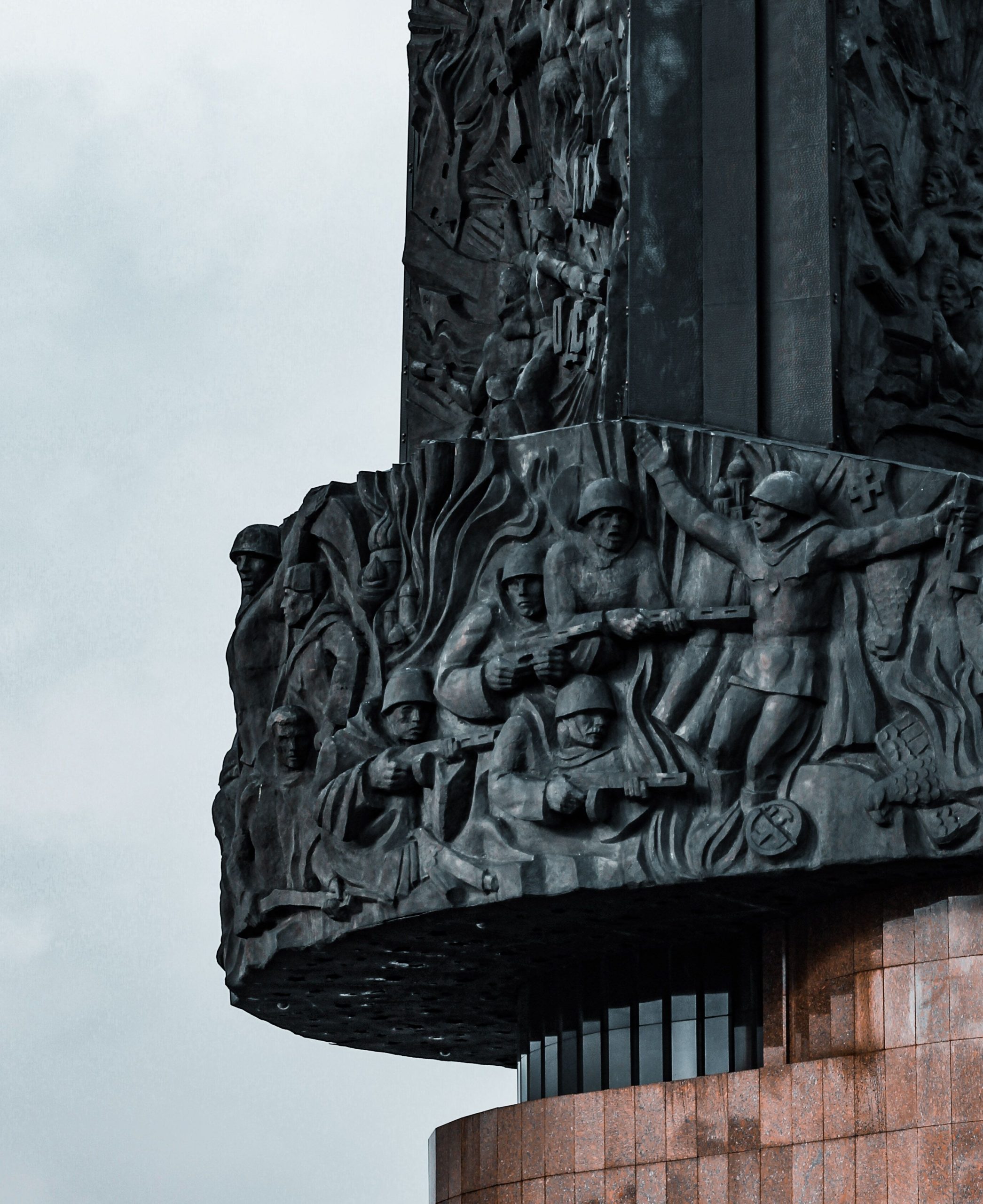
Analyzing Historical Narratives: Comparing the Battles of Berlin and Gaza
The final months of World War II in Europe and contemporary conflicts in the Middle East often evoke intense debate about morality, tactics, and historical perception. A notable comparison arises when examining the Battle of Berlin in 1945—widely regarded as “the victory of the United Nations against fanaticism”—and the ongoing conflict in Gaza, where many characterize the events as a “genocide.” This discussion aims to unpack these narratives, drawing on historical parallels and evaluating the actions of military forces involved.
Historical Context: The Battle of Berlin (1945)
In the closing days of World War II in Europe, several factors influenced the course of events in Berlin. Due to practical and political considerations, Berlin was designated to fall under the Soviet occupation zone, with the Red Army tasked with entering and capturing the city. The battle was marked by intense combat, high casualties, and significant destruction, as Soviet forces navigated heavily fortified defenses.
One of the most tragic aspects was the fanatic resistance displayed by Wehrmacht and SS units. Instances paralleling modern conflicts are notable:
-
Use of Children as Combatants: Reports indicate that young fighters, often armed with weapons such as the Sturmgewehr 44 (StG44), participated in combat, demonstrating a level of fanaticism that blurred the lines between civilian and soldier.
-
Civilians as Human Shields: Defensive strategies included deploying civilians in combat zones, effectively using non-combatants to deter advancing troops.
-
Execution of Surrendering Civilians: There were documented cases where civilians attempting to surrender or escape were killed, highlighting the brutal nature of the fighting.
The Soviet military faced formidable obstacles during the urban assault, often forced to demolish large portions of buildings to advance armored units. Casualty figures for Soviet forces were high—potentially comparable to the losses experienced by Allied forces during the Italian Campaign (1943–1945). Despite the brutality, the international community, including the Allies, did not label these actions as “genocide.” Instead, they framed the battle as a necessary defeat of fanatic resistance in the pursuit of victory.
Post-War Aftermath and Perceptions
Following Berlin’s surrender, the city was left in ruins: much of its infrastructure was destroyed, and countless civilians suffered. Nevertheless, the Red Army’s actions were rarely condemned as genocide, and the event was broadly accepted as a tragic, yet necessary, confrontation of totalitarian fanaticism.
In contrast, modern conflicts such as the ongoing Gaza conflict evoke different narratives. Many observers argue that, compared to the brutality of the Battle of Berlin, the Israel Defense Forces (IDF) have exercised considerable restraint amidst violence and civilian suffering. The use of human shields by Hamas, the targeting of civilian populations, and the complexities of urban warfare have led to accusations of disproportionate responses, yet some view these actions as restrained measures within a broader military objective, especially when juxtaposed with historical atrocities.
Reflective Conclusions
This comparison prompts a reflection on how history perceives wartime actions and atrocities. While the Battle of Berlin involved devastating urban combat with significant civilian and military casualties, it was not universally labeled as genocide—largely because of the context and the collective framing of defeating fanaticism. Conversely, ongoing conflicts involving groups like Hamas often attract complex narratives, shaped by political, social, and media influences.
Ultimately, understanding these events requires a nuanced approach, acknowledging the suffering of civilians in all conflicts while also considering military realities and historical perspectives. Recognizing the differences and similarities helps foster a more informed appreciation of the profound human costs of warfare across different eras and contexts.