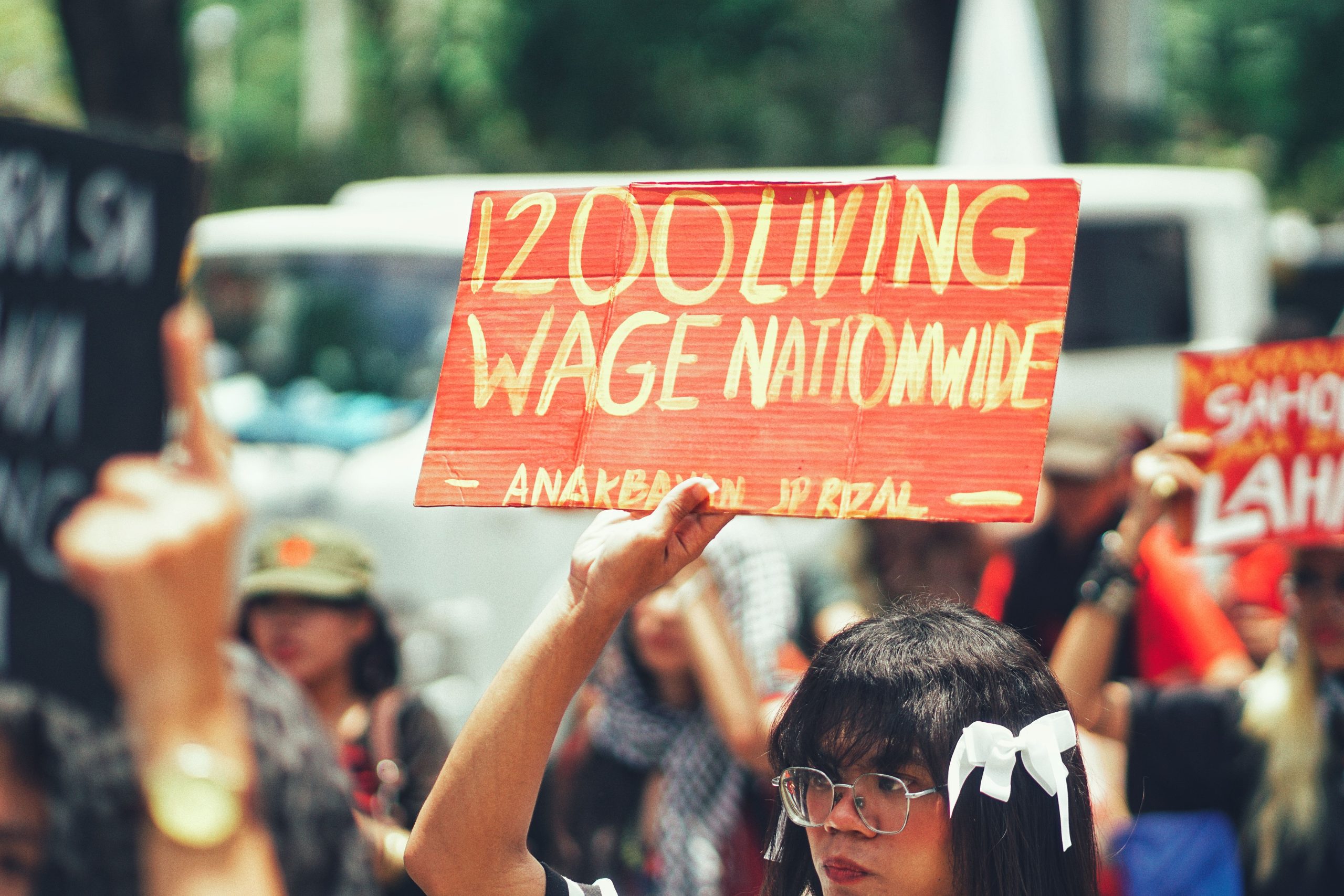
The Evolution of the Labour Party: A Reflection on Its Past and Present Status
In the political landscape of Western democracies, the Labour Party has historically been a prominent voice advocating for social justice, workers’ rights, and progressive policies. Notably, during the 20th century, the Labour Party often featured prominently in public discourse, with significant milestones such as the election of a Labour Prime Minister—a figure whose tenure was marked by both achievement and tragedy, as he was tragically assassinated approximately thirty years ago.
However, in recent years, the Labour Party’s presence in mainstream political conversations has noticeably diminished. This raises a pertinent question: What has become of the Labour Party? Has it undergone rebranding or a transformation that renders it unrecognizable from its earlier incarnations? Alternatively, has it dissolved or merged into other political entities?
Examining the current political landscape reveals a proliferation of right-wing parties and entities across various Western countries. This fragmentation often leads to a divided electorate, complicating the electoral process and influencing the overall political balance. The presence of multiple right-leaning parties raises further questions about vote distribution and the potential impact on centrist or left-leaning political formations such as Labour.
Understanding the trajectory of the Labour Party requires considering both historical context and contemporary political shifts. While it may not currently enjoy the same prominence it once did, its legacy persists in policy debates, party reform efforts, and the ongoing discourse on social and economic justice within the political arena.
In conclusion, the Labour Party remains a significant chapter in the history of Western politics. Its current status invites further reflection on the evolving nature of political parties, voter alignment, and the wider ideological shifts shaping democracies today.