Understanding Humanity’s Moral Crisis: A Reflection on Compassion and Justice
In our increasingly interconnected world, one question persists: What is wrong with humanity? Despite remarkable technological advancements and moments of compassion, our global society is riddled with contradictions, moral failures, and a troubling lack of consistency in our values. This reflection aims to explore these issues, highlighting the moral inconsistencies that undermine our shared humanity and calling for a deeper sense of justice and compassion.
The Contradictions of Justice and Humanity
A glaring paradox exists in our conversations about justice. We often find ourselves divided over the death penalty, debating whether criminals deserve to live. Yet, we remain silent or indifferent when innocent lives are lost in the pursuit of political or ideological objectives. The slaughter of civilians under the guise of “self-defense,” for instance, rarely prompts the same outrage or calls for accountability as the condemnation of convicted murderers.
Similarly, society advocates for fair trials and due process for those who have taken lives, but disregards the rights of individuals born into circumstances far beyond their control. Children born into conflict zones, or victims of systemic oppression, often find no legal recourse or global concern. Their “crimes” are rooted in geography, poverty, or social injustice—factors they cannot change, yet they are denied the basic dignity of justice and compassion.
Selective Compassion and Moral Inconsistency
Our moral outrage tends to be selective. We create laws and protections for animals—recognizing their sentience and worth—yet we turn our gaze away from atrocities committed against children in war-torn regions. Reports of children burned alive in bombed-out schools or homes reduced to rubble often evoke little more than fleeting sympathy from a world preoccupied with political debates and economic interests.
Aid is dispatched to rebuild cities ravaged by natural disasters, but assistance is often withheld or conditioned when the destruction results from conflict or airstrikes. These inconsistencies reveal a troubling truth: human life appears to be valued only when convenient or aligned with certain political narratives. The game of geopolitics often dictates whose suffering is recognized and whose is ignored.
The Humanity We All Share
Amidst these contradictions, we must ask ourselves: What kind of world is this? One where the sanctity of human life is contingent upon circumstances? Where oppressed populations are told to remain silent, to adopt a “peaceful” stance, even as their communities are decimated? Where freedom is not a universal right but a privilege granted to some and denied to others?
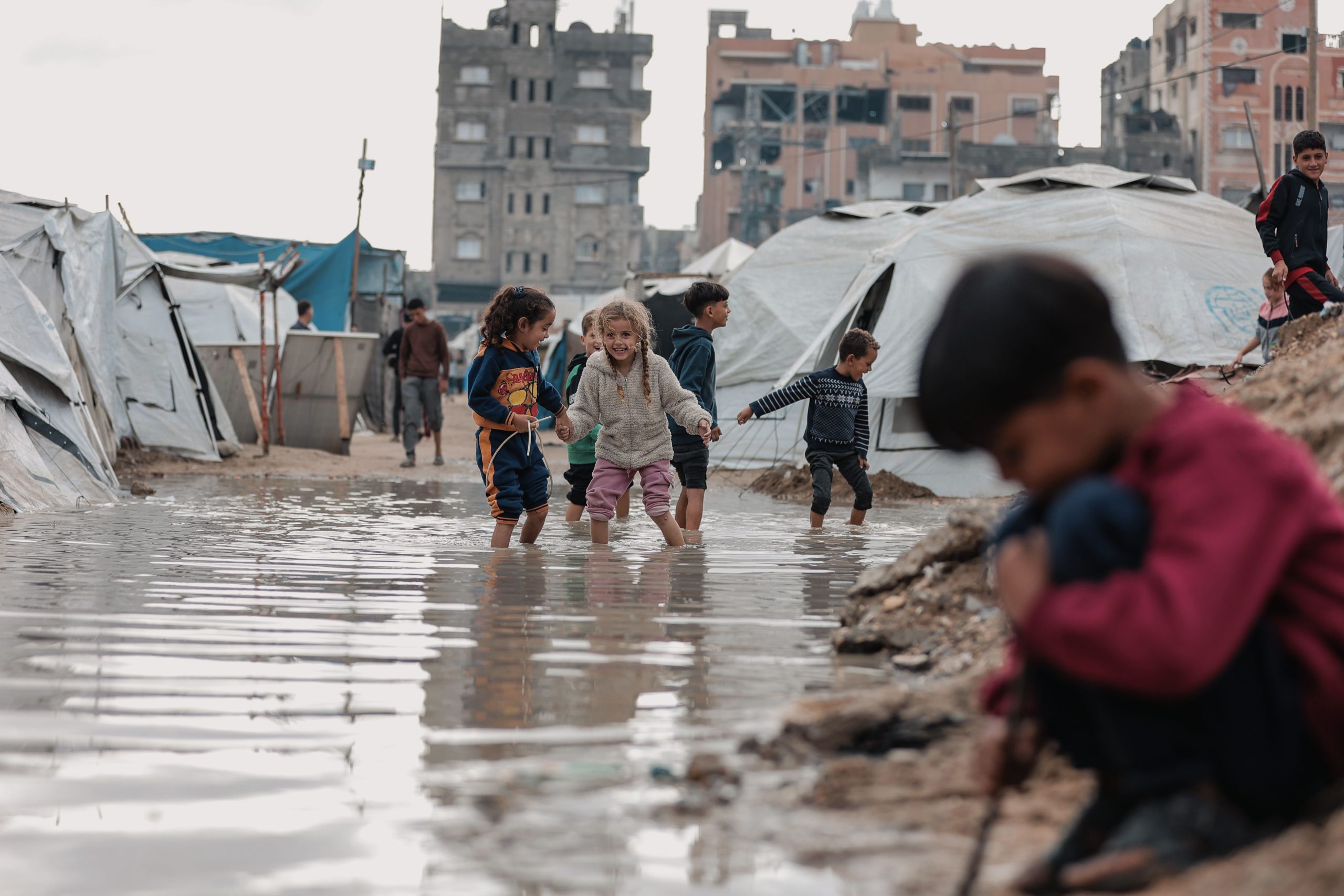
In conflict zones like Gaza, the world watches, debates, and assigns blame—yet rarely confronts the fundamental truth: the people suffering there are human beings. Every child lost, every home destroyed, is a tragedy that diminishes us all. Their pain is a mirror reflecting our collective failure to uphold the universal value of human dignity.
The Toll of War and the Cost of Ignorance
War has always been dressed in flags and stories, but beneath these lies lies the brutal reality: lives are shattered, dreams obliterated, and innocence sacrificed. Wars are perpetuated by leaders and driven by interests, yet their true cost is borne by the innocent—civilians caught in the crossfire, used as pawns or shields. The narrative of peace is often delayed, debated, and ultimately denied because of entrenched political agendas and a lack of collective moral responsibility.
This cycle reveals a deeper moral crisis: societies treat war as a game of strategy, but forget its human toll. Real blood spills, real families mourn, and real futures are lost. Peace remains elusive not because it is unattainable, but because we choose to ignore the lessons history holds for us.
A Call for Moral Awakening
The state of our world is not merely controversial; it is morally broken. The issues are complex, but the underlying failure is simple: we have not learned from our past. We forget too easily, move on too quickly, and prioritize convenience over conscience.
The real challenge lies in awakening our collective sense of compassion and justice. Humanity’s greatest strength is its capacity for empathy and change. We must confront our biases, question our indifference, and hold ourselves accountable for the world we create. Only then can we hope to build a future where every life is valued, every voice is heard, and the lessons of history guide us toward genuine peace and fairness.
Until we do, the injustices and conflicts will persist, reminding us that the greatest controversy of all is our ongoing struggle to uphold our shared humanity.