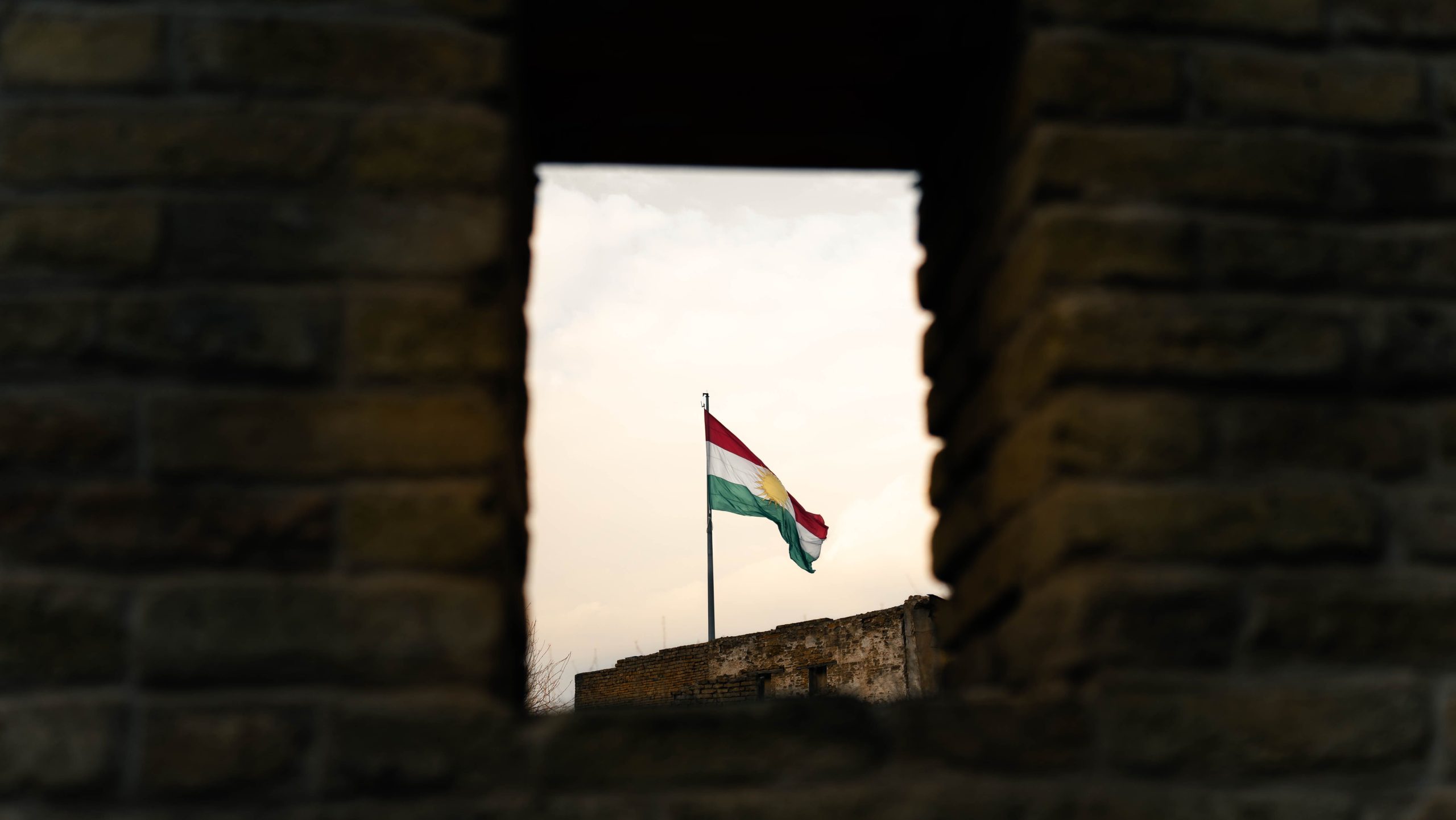
Understanding the Kurdish People: History, Perspectives, and Cultural Insights
The Kurdish people are an ethnic group with a rich history and diverse presence across the Middle East. Their story is intertwined with the histories of several nations and communities, reflecting a complex tapestry of cultural interactions, coexistence, and political struggles.
Historical Context of Kurds and Their Relations
Historically, Kurds have inhabited regions known today as southeastern Turkey, northern Iraq, western Iran, and northern Syria—collectively often referred to as Kurdistan. Their interactions with neighboring communities have ranged from peaceful coexistence to periods of conflict and displacement.
It is noteworthy that Kurdish communities have historically lived alongside other groups, including Jews, within the broader region of Kurdistan. For example, in Iraqi Kurdistan, there has historically been a Jewish community that coexisted peacefully with Kurdish neighbors. Today, some Kurds reside in Israel, reflecting a history of migration and relationships spanning generations.
Public Perceptions and Contemporary Views
Public opinion about Kurds varies across countries and communities, influenced by political developments, media portrayals, and historical interactions. In some contexts, Kurds are viewed with admiration for their resilience and cultural richness, while in others, perceptions are affected by regional conflicts and geopolitical interests.
The situation in Rojava, the predominantly Kurdish autonomous region in northern Syria, has garnered international attention. Rojava represents a unique experiment in governance based on principles of democracy, feminism, and ecological sustainability. The support for Rojava’s self-adetermined governance has been mixed, with some international voices advocating for Kurdish rights and autonomy, while others remain cautious due to regional tensions.
Kurdish Solidarity and International Reactions
Regarding global responses to Kurdish issues, support has varied. For instance, during the rise of political figures like Jalal Talabani or the leadership of the Kurdistan Regional Government in Iraq, there have been notable expressions of solidarity from Kurdish communities worldwide, including protests and campaigns.
In Israel, the Kurdish community has generally maintained strong cultural ties, and there have been moments of advocacy for Kurdish rights and recognition, especially amidst regional conflicts. However, large-scale protests specifically related to Kurdish issues parallel to those seen in Middle Eastern countries have been relatively limited in Israel, highlighting the complex nature of regional politics and international attention.
Cultural Anecdotes and Idioms
Kurdish culture is vibrant and rich with idioms that reflect their history and social values. One such idiom is “go explain it to Halaw,” rooted in the story of a Jewish woman named Halaw Pinhas who lived in Slemani (ancient Sulaymaniyah). She was renowned for her community-minded spirit, selling household goods and generously donating to local causes, such as the Faysaliyah School. Despite hearing difficulties, she was deeply loved and respected by Kurds of various faiths.
This idiom is used humorously or critically to indicate that someone is unwilling to listen or pay attention—equivalent to saying, “I don’t want to hear what you’re saying,” as if dismissing the speaker with a nod to Halaw’s reputation for hearing difficulties.
In Summary
The Kurdish people are a testament to resilience and cultural diversity in the Middle East. Their history of coexistence, the ongoing struggles for autonomy, and their rich cultural heritage continue to shape regional and international perspectives. Understanding these nuances helps foster a more respectful and informed view of a people whose story is still unfolding on the global stage.
Note: The perspectives shared here aim to offer a comprehensive understanding and do not represent any single viewpoint but rather reflect the complex mosaic of Kurdish history, culture, and current affairs.