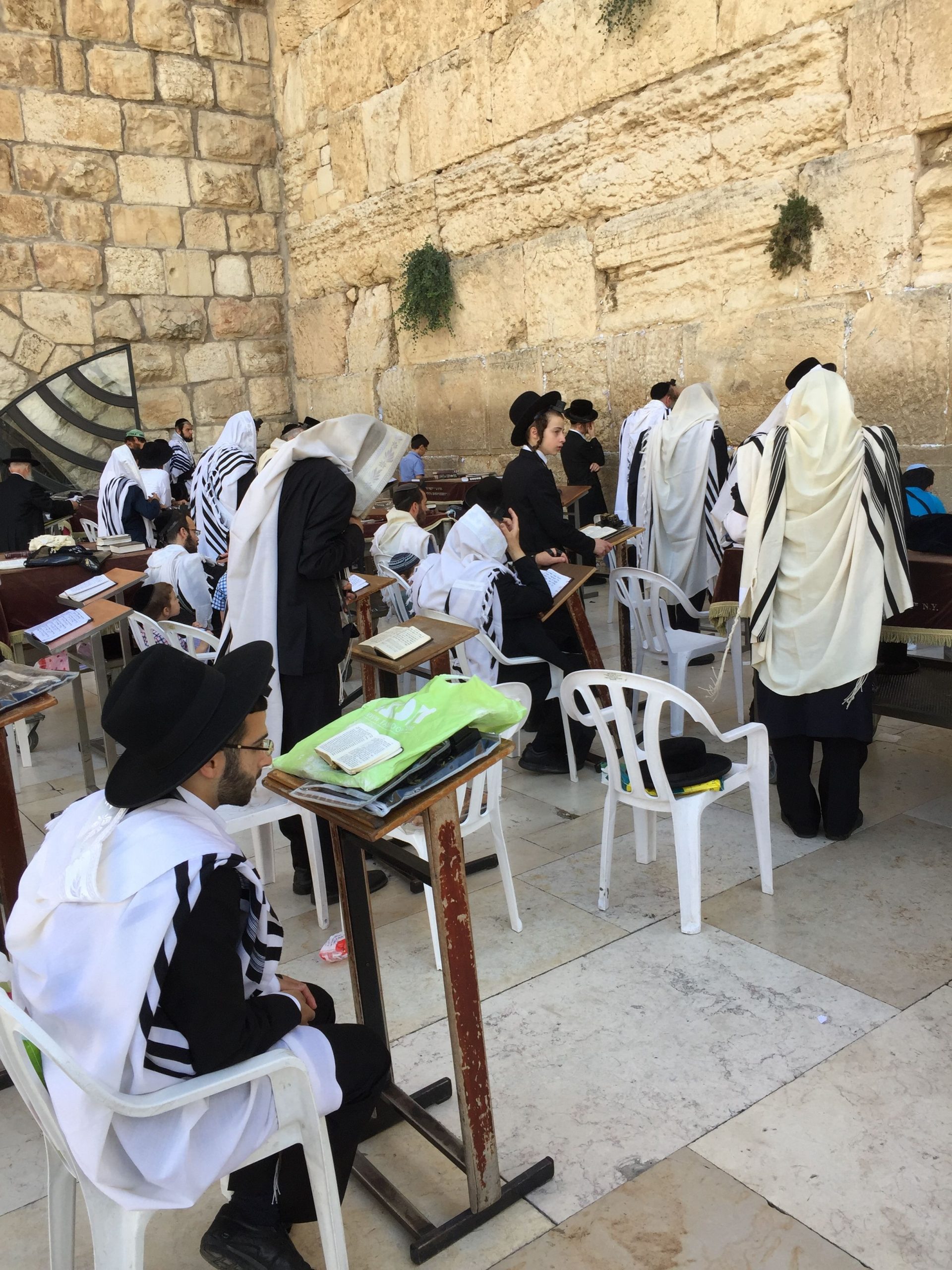
Exploring Graduate Studies in Jerusalem: A Comprehensive Guide for International Students
Deciding to pursue graduate studies abroad is a significant step, filled with both exciting opportunities and important considerations. For international students interested in religious studies, Jerusalem offers a unique and immersive environment rich in history and cultural diversity. If you’re contemplating studying at the Hebrew University of Jerusalem, here are some key insights to help you navigate this decision.
Visa and Entry Requirements
One of the first logistical considerations is obtaining a student visa to study in Israel. As a Canadian citizen and a non-Jewish applicant, you may wonder about the ease and cost of securing the necessary documentation. Generally, Israel offers student visas to international applicants, but the process can vary depending on your home country and specific circumstances. It’s advisable to consult the Israeli consulate or embassy for the most current requirements and procedures. While the application process involves paperwork and fees, many students find it manageable with proper planning and documentation.
Safety and Security Considerations
Safety is a paramount concern for prospective students heading to Jerusalem. The city, renowned for its historical and religious significance, has experienced periods of tension, which can sometimes manifest as smaller-scale incidents. However, the Israeli government and local authorities maintain rigorous security measures to ensure the safety of residents and visitors. Surveys and reports often indicate that Jerusalem, particularly the central and university areas, remains relatively safe.
Nevertheless, as a visitor or student, it’s important to stay informed about current security advisories and to exercise standard precautions. If you wear religious symbols or identify as a Christian, understanding the city’s diverse religious landscape is vital. While most areas are welcoming, it’s wise to be aware of local customs and to avoid potentially sensitive zones beyond the well-known religious sites, such as Al-Aqsa Mosque or certain parts of the Old City, unless accompanied by guidance or local contacts.
Travel Opportunities Within Israel and Beyond
A significant advantage of studying in Jerusalem is the ability to explore the broader region. A student visa typically allows for travel within Israel, providing opportunities to visit historic sites, cultural centers, and other universities across the country. Regarding travel to the West Bank, including sites like Mar Saba Monastery, policies vary based on current security situations and local regulations. It’s essential to consult university advisors and local authorities for guidance and to stay updated on travel advisories.
Academic Opportunities and Community
The Hebrew University of Jerusalem stands out as a leading institution for religious and Middle Eastern studies. Many international students have found it to be an academically enriching and culturally immersive environment. Engaging with like-minded peers and experienced faculty can significantly enhance your educational experience.
Additionally, reaching out to alumni or current students can provide invaluable insights into the university’s environment, support systems, and living arrangements. They can help determine whether it’s a feasible option for your academic and personal goals.
Alternative Institutions in Israel
While Hebrew University is highly regarded, other universities in Israel also offer robust programs in Middle Eastern and religious studies. Exploring options such as Tel Aviv University, Ben-Gurion University, or university colleges may broaden your choices based on program specialization, campus environment, and location preferences.
Final Thoughts
Embarking on graduate studies in Jerusalem is an ambitious and rewarding pursuit, promising a unique blend of academic rigor and cultural immersion. Careful planning around visa requirements, safety protocols, travel logistics, and academic programs will help ensure your journey is successful.
For personalized advice and firsthand experiences, consider connecting with current students or alumni. They can offer perspectives tailored to your interests and concerns, helping you make an informed decision about your next educational chapter.
Note: This article is intended to provide general guidance. Prospective students should consult official university resources and government agencies for the most current information related to immigration, safety, and travel.