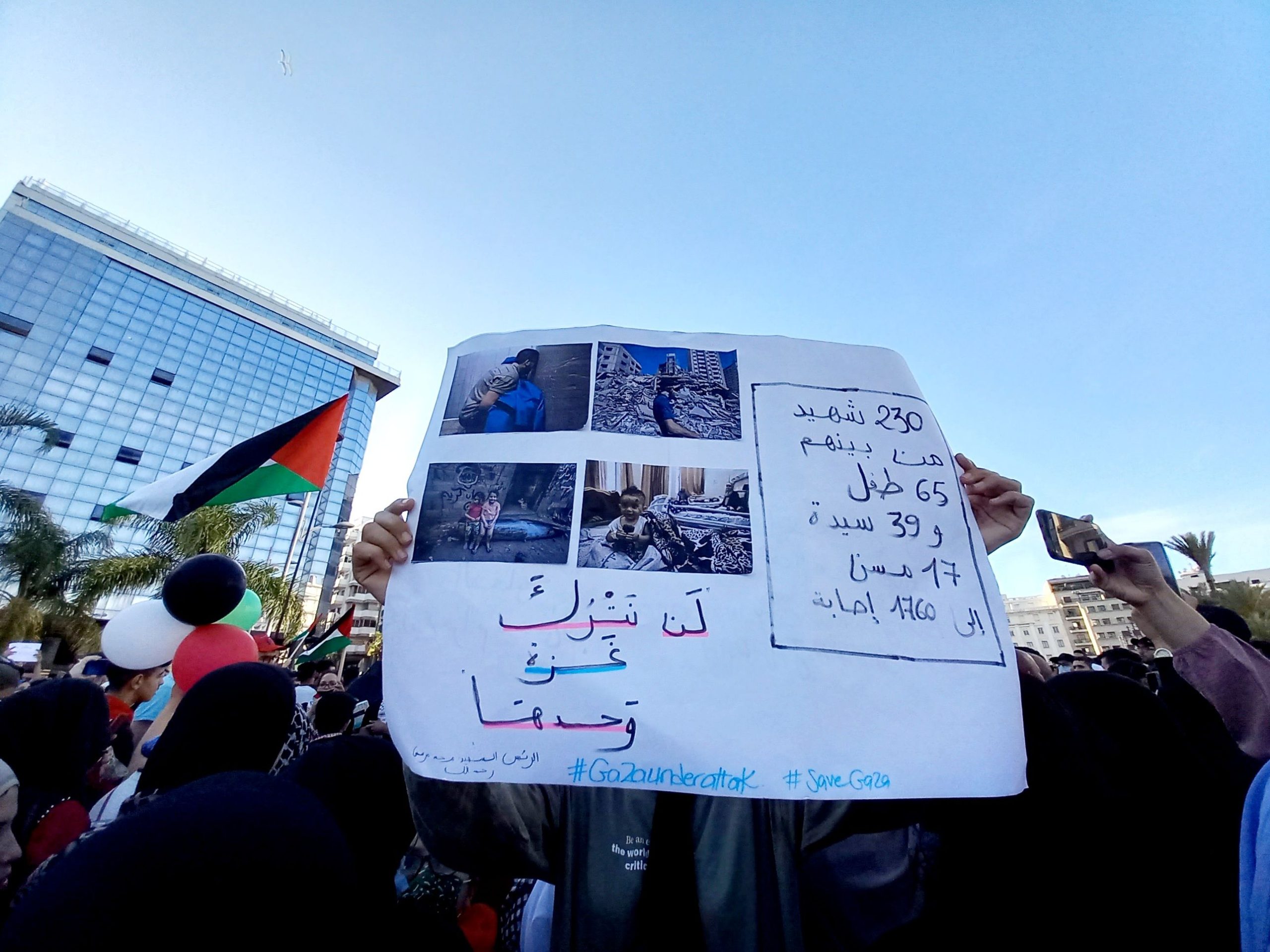
The Myth of Normalcy in Gaza: Confronting the Reality Behind the Headlines
In recent times, a troubling misconception has taken hold—namely, that the hardships faced by Gaza have concluded and that life is returning to normal. This narrative, amplified by certain videos and social media posts, suggests that recovery is underway. However, the stark reality tells a much different story—one that demands acknowledgment and understanding.
The origin of this false perception can be traced to sensationalized content shared during the conflict. Some individuals and organizations exploited the suffering of Gazan civilians to garner attention, followers, and financial support. Many of these videos showcased moments of pain and despair, which they used to elicit sympathy and donations. Now that some have profited from these narratives, they have largely moved on, leaving behind a skewed portrayal of life in Gaza.
What the world often sees on screens, portraying Gaza as “recovering” or “returning to normal,” belies the ongoing and escalating struggles faced by its residents. Despite the reopening of schools, education has become a privilege rather than a right—a commodity that families must now pay for. For many children and their families, simply accessing education is a hardship, forcing some to choose between doing so and meeting basic needs like food.
Families are bearing incredible pain. For instance, many parents are unable to afford the costs associated with school registration for their children. This is especially heartbreaking considering that, before the conflict, education was a valued pillar of Gaza’s society. Personal stories abound—such as a young person who completed high school amid ongoing war, carrying with them deep scars of trauma.
It is crucial to clarify that this is not a plea for pity. Rather, it is a call for the international community to look beyond curated images and recognize the ongoing suffering. The misconception that “the suffering is over” not only erases the hardships still endured but also perpetuates a dangerous ignorance about the future prospects of Gaza’s youth.
While many in Gaza may present a resilient façade on social media or screens, behind the scenes, the reality remains dire. Families continue to grapple with limited access to essential services, economic hardships, and psychological scars. The fight for a better future persists, even as hope endures in the hearts of many.
It is time for a truthful acknowledgment: Gaza is not yet recovered. Its people are still enduring, still resilient, and still fighting for their right to a life of dignity and opportunity. Let us challenge the narratives that simplify this complex reality and instead commit to understanding, solidarity, and meaningful action.