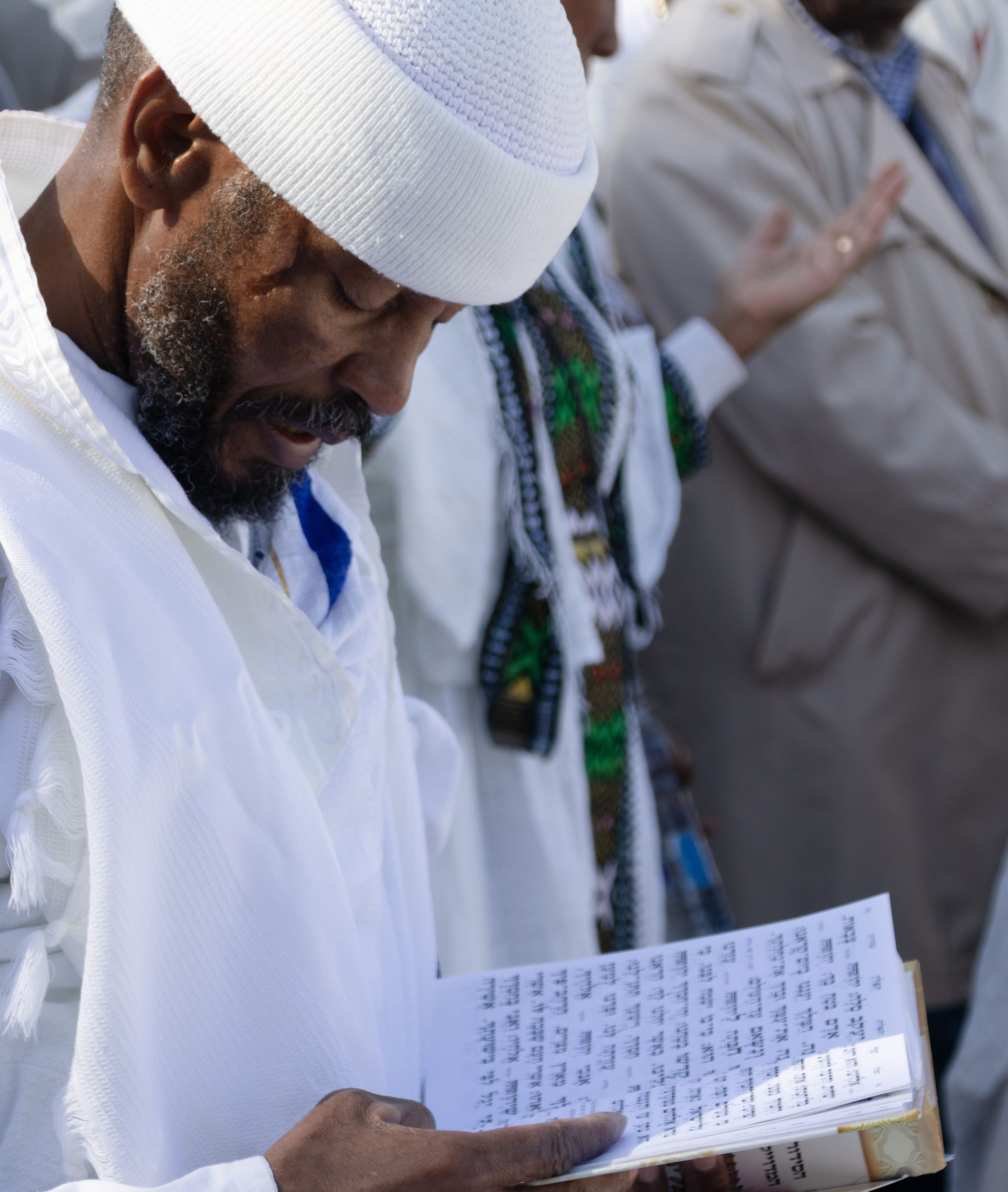
Understanding Ethiopian Jewish Identity and Cultural Connections
As members of the global Jewish community, Ethiopian Jews—also known as Beta Israel—possess a rich and distinctive cultural heritage that blends Ethiopian traditions with Jewish faith and practices. For individuals living outside Ethiopia, especially in diverse regions like Europe, maintaining a connection to their roots can involve various aspects of language, culture, and community engagement.
This article explores common questions and themes related to the identity and cultural continuity of Ethiopian Jews living abroad, aiming to provide insight into their experiences and perspectives.
Do Ethiopian Jews Dislike Ethiopia?
A prevalent inquiry concerns whether Ethiopian Jews harbor negative feelings toward Ethiopia. It’s important to recognize that many view Ethiopia as their ancestral homeland, fostering a deep sense of connection and pride. While individual perspectives vary—shaped by personal experiences, historical contexts, and social factors—most maintain a respectful and affectionate relationship with their country of origin, often intertwined with their cultural identity.
Language Preservation and Cultural Practices
Language plays a vital role in cultural continuity. Many Ethiopian Jews continue speaking Amharic, Tigrinya, or other Ethiopian languages at home, especially among family members and within community settings. This linguistic link helps preserve their heritage and facilitates cultural expressions that are unique to their background.
Cultural traditions such as Ethiopian cuisine, traditional dance (like Eskista), and religious customs serve as vital links to their roots. Celebrating religious festivals and participating in community events help reinforce their cultural identity, even from afar.
Engagement with Ethiopian News, Politics, and Media
Staying informed about news and political developments in Ethiopia is often important to Ethiopian Jews living abroad. Following Ethiopian news outlets, engaging with online forums, and participating in community discussions enable them to stay connected with ongoing events back home, fostering a sense of unity and awareness within the diaspora.
Additionally, many enjoy Ethiopian films, music, and art—integral elements of their cultural expression—that offer a glimpse into Ethiopia’s vibrant cultural landscape. Listening to Ethiopian music or watching movies helps maintain a cultural bond and share Ethiopian stories with broader audiences.
Travel and Community Connections
Traveling back to Ethiopia remains a significant endeavor for many Ethiopian Jews. Regular visits enable personal and family reconnections, participation in religious ceremonies, and cultural immersion. These journeys often reinforce personal identity, strengthen familial ties, and celebrate their heritage.
The Use of the Term “Habesha”
The term “Habesha” is widely used to describe people of Ethiopian and Eritrean heritage. Many Ethiopian Jews embrace this term as a collective identifier that transcends specific religious or ethnic distinctions, fostering a sense of shared identity within the broader East African community.
Conclusion
Ethiopian Jews continue to navigate their identity through language, cultural traditions, and connections to Ethiopia. Whether through maintaining language, engaging with media, traveling back home, or embracing collective terminology like “Habesha,” they embody a dynamic blend of heritage and modern life. Their experiences highlight the resilience and richness of their cultural identity across the diaspora.