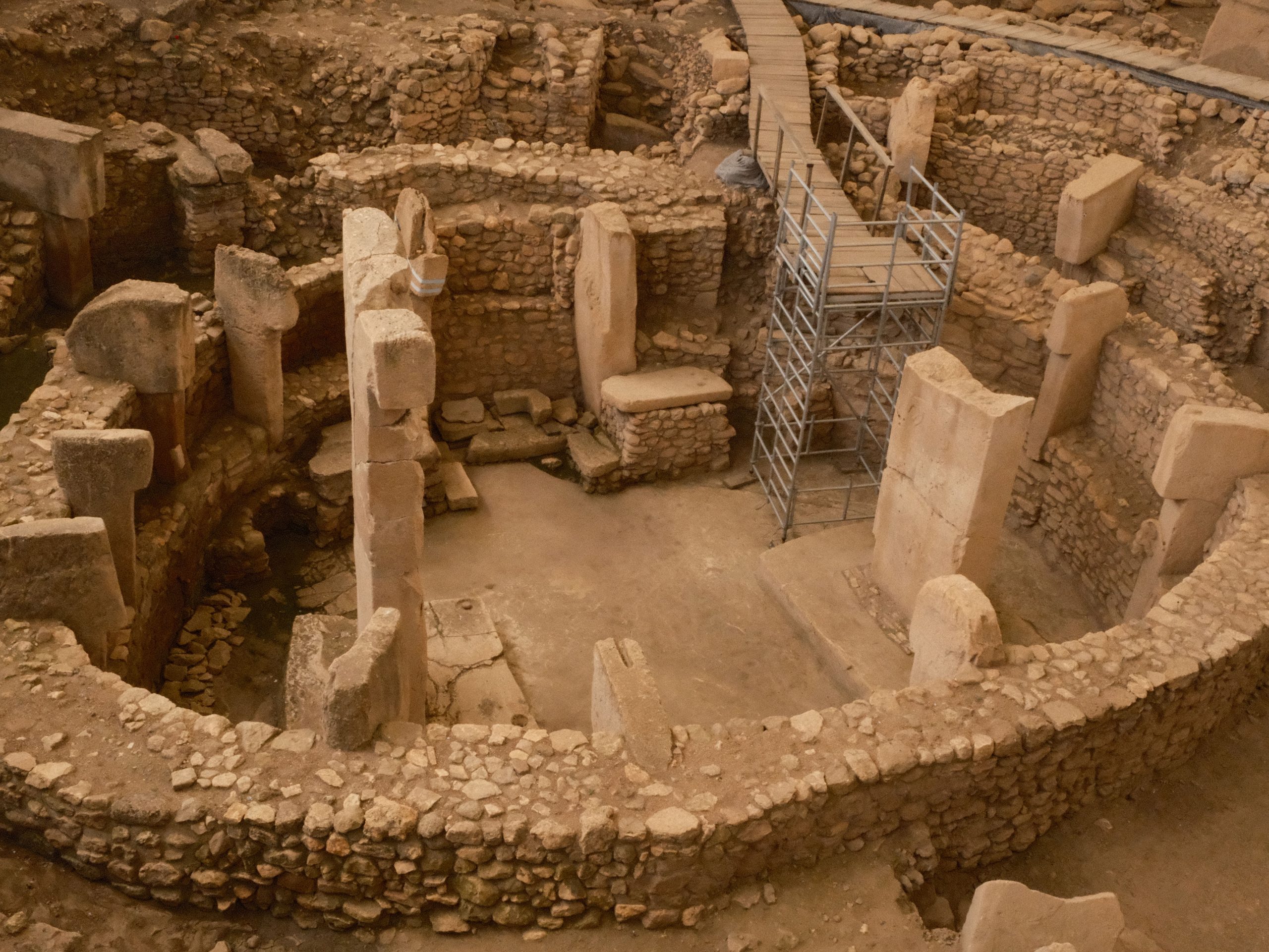
Gaza: An Ancient Urban Center Rich in History Amidst Modern Turmoil
Gaza stands as one of the world’s oldest urban settlements, a testament to human resilience and historical significance. This ancient city, nestled along the Mediterranean coast, has witnessed countless civilizations, cultures, and conflicts, leaving behind a legacy etched into its ruins.
Renowned historian William Dalrymple, renowned for his detailed insights into world history and co-host of the acclaimed “Empire” podcast, offers a compelling exploration of Gaza’s storied past. His analyses shed light on Gaza not merely as a contemporary flashpoint but as a vital historical hub with origins stretching back millennia.
Historically, Gaza’s strategic location has ensured its prominence through various eras—from the ancient Egyptians and Philistines to the Romans, Byzantines, and subsequent Islamic empires. The city has long served as a crossroads of trade, culture, and conquest. Medieval proficiency in crafts and commerce enriched its legacy, while archaeological excavations reveal layers of history beneath its modern surface.
A common misconception suggests Gaza’s importance is a recent phenomenon, largely accentuated by modern geopolitical conflicts. However, Dalrymple’s insights challenge this view, emphasizing Gaza’s longstanding role in regional and global history. Its rich cultural tapestry has continually been shaped by diverse peoples and empires, each leaving their mark amidst the ruins that still stand today.
The tumultuations of the 20th and 21st centuries have cast a new light on Gaza’s geopolitical significance. The influx of Arab refugees following the creation of the State of Israel, and subsequent conflicts, transformed Gaza into a focal point of international concern and humanitarian effort. Yet, beneath this contemporary narrative lies a profound historical foundation that predates modern politics.
As listeners of Dalrymple’s “Empire” podcast can attest, his deep dives into historical episodes—ranging from the British in India to the Ottoman Empire—offer valuable perspectives that deepen our understanding of regions like Gaza. His upcoming series on Gaza promises to further illuminate the city’s complex history, emphasizing its timeless importance beyond headlines and conflicts.
In conclusion, recognizing Gaza as one of humanity’s oldest urban centers compels us to appreciate its resilience and enduring cultural significance. Amidst the ruins and ongoing struggles, Gaza’s history as a vibrant, ancient city remains an integral part of our shared human heritage. It is essential to view Gaza not solely through the lens of contemporary conflict but as a storied metropolis whose past continues to influence its present and future.