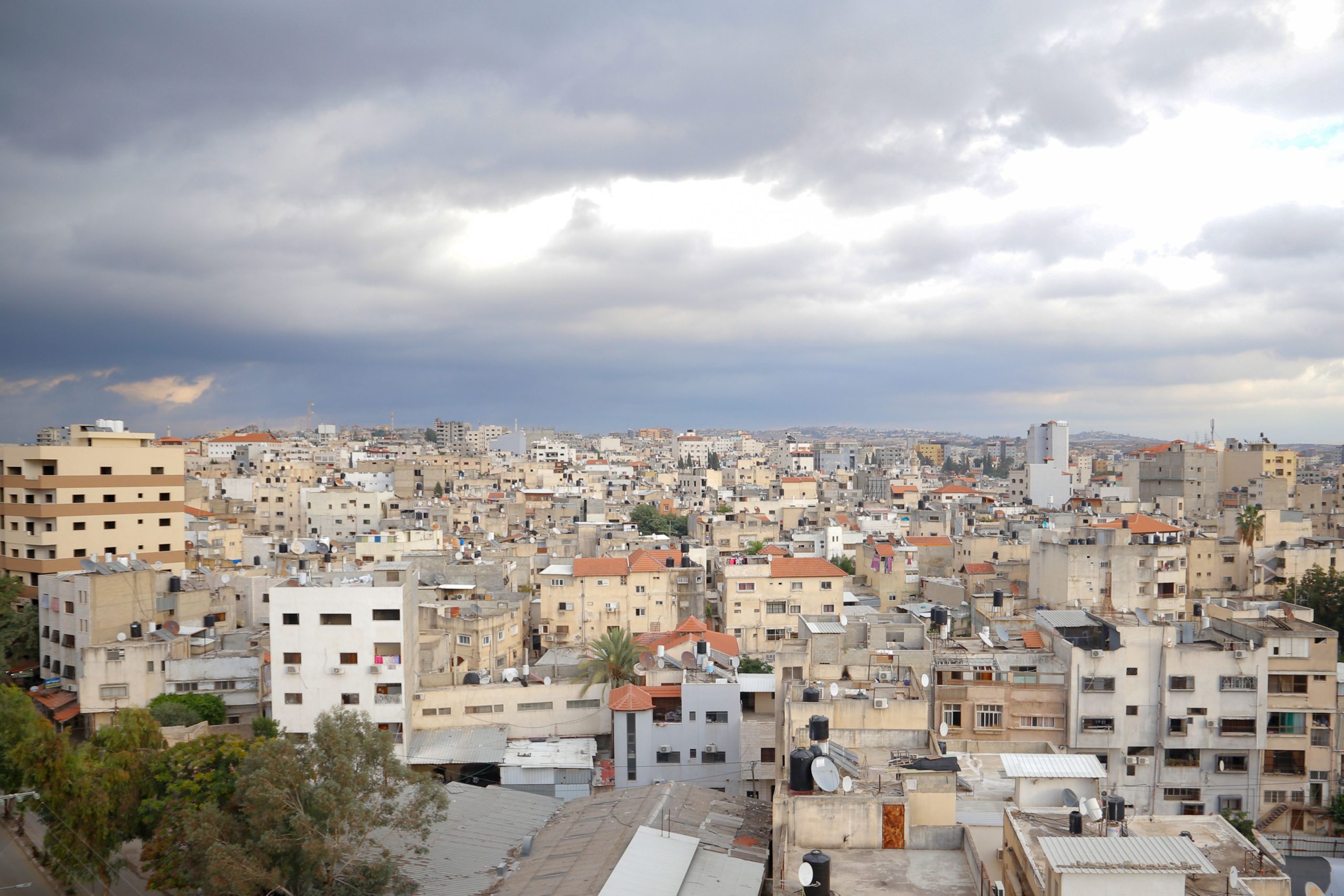
Imagining a Path Forward: Expert Perspectives on Resolving the Conflicts in Gaza, the West Bank, and Lebanon
The ongoing conflicts in Gaza, the West Bank, and Lebanon represent some of the most complex and protracted geopolitical challenges of our time. With deep-rooted historical, political, and social dimensions, these issues have resisted simple solutions and continue to impact millions of lives.
A Hypothetical Reflection on Leadership and Conflict Resolution
In a thought-provoking exercise, the question arises: If you held the decision-making power to influence the future of these regions, what approach would you take to promote lasting peace and stability? While there are no easy answers, exploring diverse perspectives can shed light on potential pathways forward.
Our Focus: Perspectives from Within Israel
Given the intricacies involved, insights from individuals directly experiencing these circumstances—particularly residents of Israel—are invaluable. Their unique viewpoints can provide nuanced understandings of the challenges and opportunities for conflict resolution.
Considerations for a Comprehensive Solution
While individual opinions will vary, some common themes emerge when contemplating potential solutions:
- Diplomatic Engagement: Prioritizing open, sustained dialogue between all parties involved to address core grievances and aspirations.
- Security Assurances: Ensuring the safety and sovereignty of Israel while respecting the rights of Palestinians and Lebanese populations.
- Economic Development: Promoting economic opportunities and infrastructure investments that can foster stability and shared prosperity.
- Humanitarian Efforts: Providing immediate relief and long-term support to affected communities, emphasizing human dignity and rights.
- International Cooperation: Leveraging diplomatic and humanitarian organizations to facilitate negotiations and monitor compliance.
Inviting Community Insights
The complexities of the Middle East require multifaceted approaches informed by local experiences and global cooperation. We welcome diverse viewpoints, especially those of residents within Israel, as they hold crucial insights into the realities on the ground.
Conclusion
Envisioning a peaceful resolution to the conflicts in Gaza, the West Bank, and Lebanon is a formidable challenge. Nevertheless, engaging in open conversations and considering multiple perspectives is a vital step toward understanding and, ultimately, fostering a sustainable peace in the region.