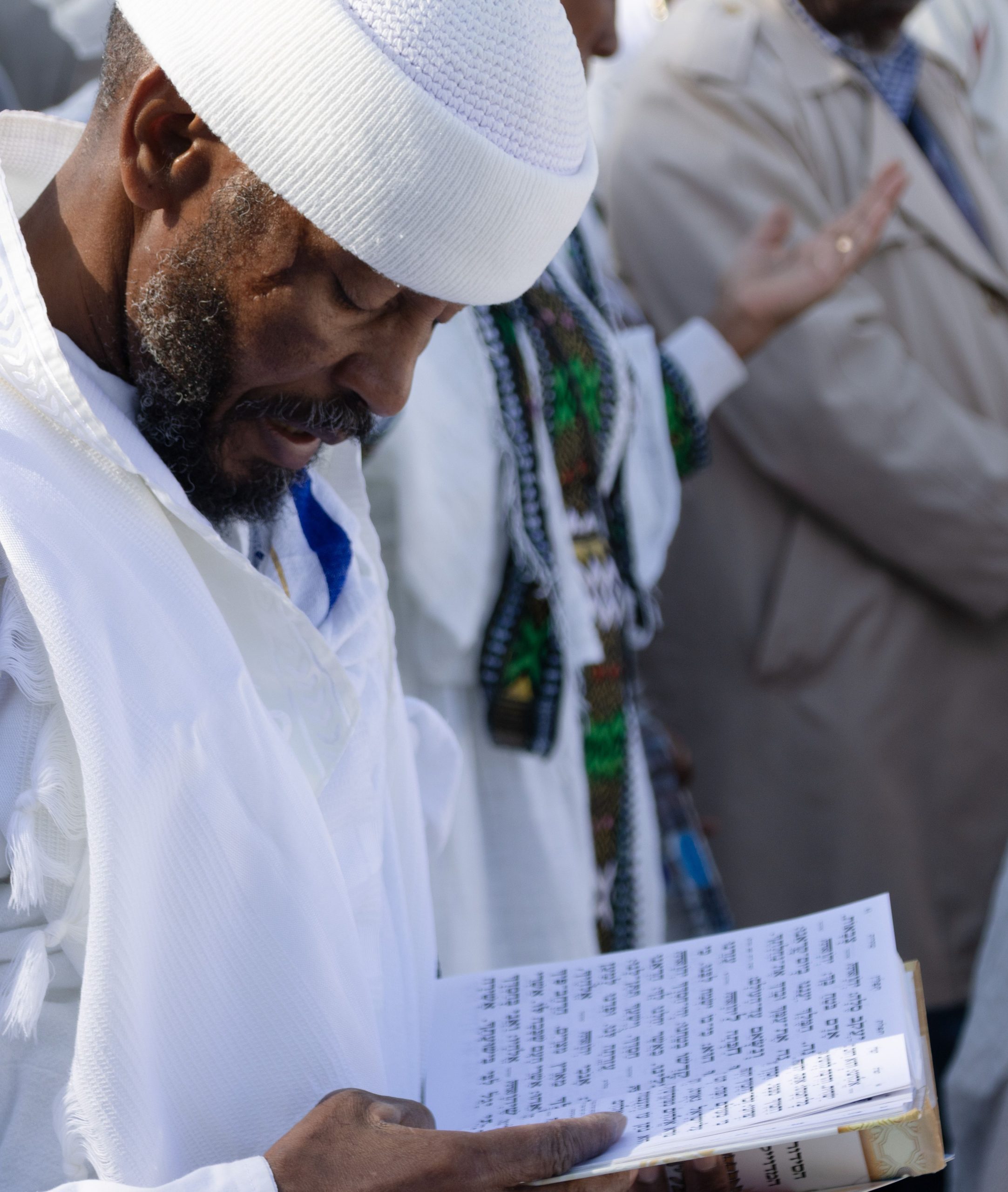
The Socioeconomic and Cultural Integration of Ethiopian Jews in Israel: An In-Depth Analysis
The Ethiopian Jewish community’s migration to Israel represents a remarkable chapter in both Israeli history and the broader narrative of immigration and cultural integration. As one of the more recent and diverse immigrant groups to settle in Israel, Ethiopian Jews have faced unique challenges and opportunities across various facets of societal life. This article aims to explore the socioeconomic status, cultural dynamics, and intercultural relationships of Ethiopian Jews within Israel, providing a comprehensive understanding of their current situation.
Socioeconomic Status and Cultural Adaptation
The transition of Ethiopian Jews from rural, agrarian societies in Ethiopia to the developed, urbanized environment of Israel has been significant. This geographical and cultural shift has posed numerous challenges, including adapting to new social norms, educational systems, and economic opportunities. Historically, Ethiopian immigrants faced barriers such as language differences, limited access to quality education, and economic hardship upon arrival.
However, in recent years, observable progress has been made. Educational attainment among Ethiopian Israelis has improved, with more young community members pursuing higher education and vocational training. Nevertheless, disparities persist when comparing the socioeconomic status of Ethiopian Jews to the wider Israeli population. Studies indicate that Ethiopian Israelis still experience higher unemployment rates, lower average income levels, and reduced representation in high-skilled professions.
Cultural values remain integral to the community, often emphasizing strong family ties, community solidarity, and religious observance. Efforts by various organizations and government initiatives aim to preserve these cultural identities while fostering integration into the broader Israeli society.
Systemic Challenges and Progress
Ethiopian Jews have faced systemic obstacles, including instances of discrimination and racism. Reports of social stigmatization, stereotyping, and institutional biases have highlighted ongoing disparities. For example, Ethiopian Israelis have historically encountered challenges in accessing certain public services and employment opportunities, which some attribute to systemic racial biases.
Nevertheless, awareness and advocacy efforts have contributed to increased dialogue and policy reforms aimed at promoting equality. Educational programs and community outreach initiatives continue to address these issues, striving to close the socioeconomic gap and ensure equitable treatment.
Intercultural Integration and Social Cohesion
The integration of Ethiopian Jews within Israeli society extends beyond economics and education into the realm of cultural and social relationships. While many Ethiopian Israelis have become active participants in various sectors—including politics, arts, and business—the community still faces challenges related to intercultural perceptions.
Instances of racism and prejudice have been documented, occasionally manifesting as stereotypes targeting Ethiopian Jews. These stereotypes often relate to misconceptions about their cultural practices, appearance, or socio-economic status. Despite these challenges, numerous success stories demonstrate growing acceptance and respect, underscoring the resilience and contributions of Ethiopian Israelis.
In terms of social cohesion, efforts are ongoing to foster intercultural understanding and reduce tensions. Community dialogues, intercultural education programs, and increased representation in diverse fields have played roles in bridging gaps and promoting unity within the Israeli mosaic.
Conclusion
The Ethiopian Jewish community’s experience in Israel is characterized by both progress and ongoing challenges. While substantial strides have been made in improving socioeconomic conditions and fostering cultural preservation, issues related to systemic discrimination and intercultural tensions continue to surface. As Israeli society evolves, concerted efforts toward inclusivity, education, and dialogue are essential to ensure that Ethiopian Jews can fully realize their potential and enjoy equal participation in the national fabric. Continued attention to these areas promises a more integrated and equitable future for all within Israel.