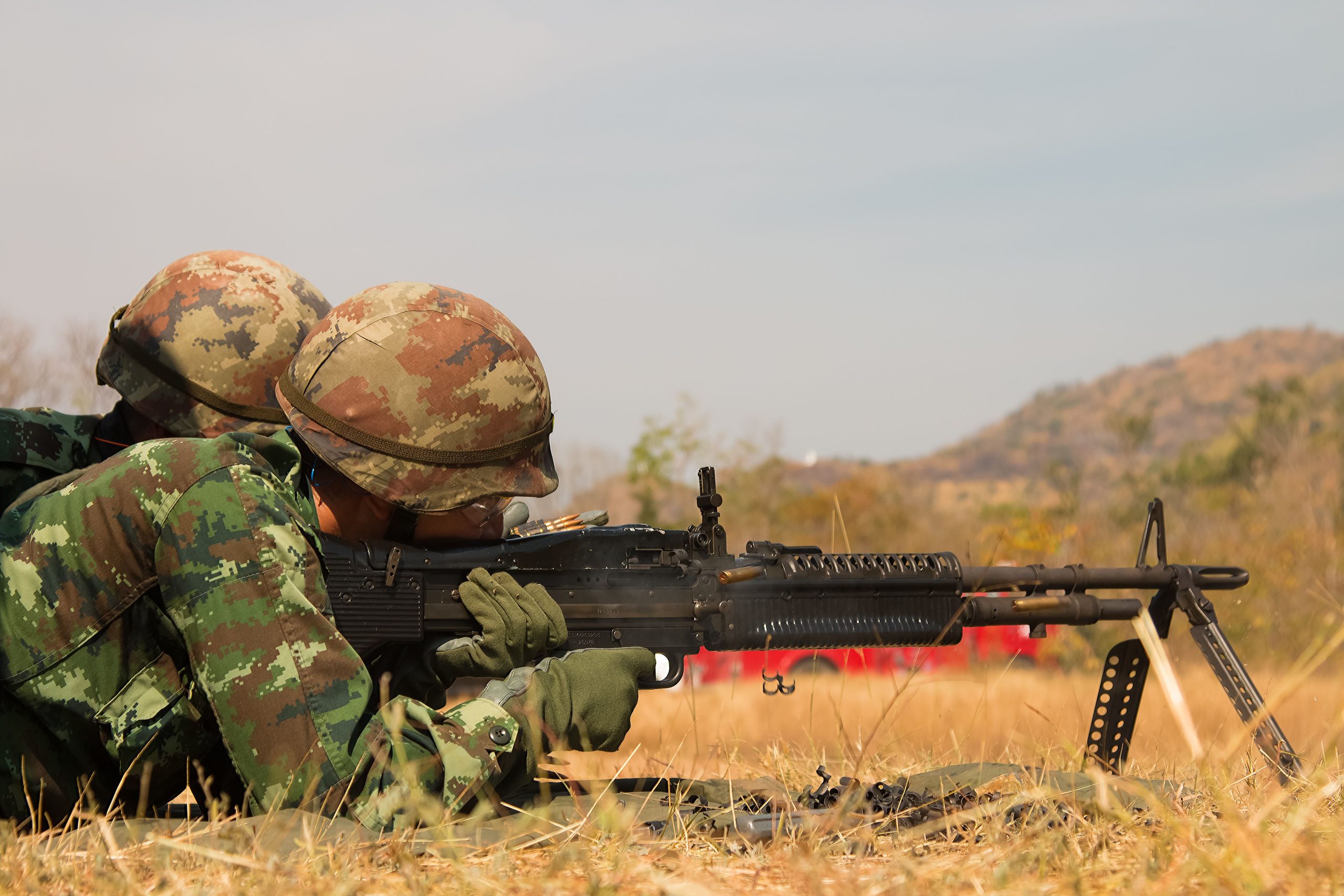
Understanding Israel Defense Forces’ Unparalleled Training: How the IDF Transforms Conscripts into Highly Effective Soldiers
The question of how certain military forces manage to train their conscripts to perform at nearly professional levels often sparks curiosity and debate among military analysts, historians, and defense experts. While it might seem like a straightforward inquiry, the answer reveals a complex interplay of rigorous training protocols, cultural factors, and operational strategies that set some armies apart.
The Efficacy of Professional vs. Conscript Armies
Historically, professional armies are often regarded as more effective than those relying heavily on conscription. This perception stems from observations such as the Falklands War, where Britain successfully repelled a larger and well-equipped Argentine invasion force within a short period. Analysts attribute Britain’s victory partially to the extensive training and resilience of its soldiers, emphasizing that training quality often outweighs sheer numbers or equipment alone.
In the United States, post-Vietnam, the shift from a conscripted military to an all-volunteer force was driven by recognizing the limitations of conscription-based armies. The volunteer force demonstrated greater motivation, professionalism, and operational effectiveness, especially against better-equipped adversaries like Iraq’s large conscript army during the Gulf War and subsequent conflicts. This transition highlighted the significant impact that training and morale have on military success.
Meanwhile, Russia maintains a large conscript-based military despite decades of experience and substantial resource allocation. Yet, many analysts observe that the Russian armed forces, while formidable, often encounter challenges that suggest the difference in training and preparedness compared to professional armies.
The Unique Case of the Israel Defense Forces
Israel presents a compelling exception to this general trend. The images emerging from the Gaza conflict show young IDF soldiers—many of whom only recently transitioned from civilian life—operating with remarkable precision and tactical awareness. Men and women, many with backgrounds in offices, shops, or factories, are seen laying ambushes, firing weapons accurately, and executing complex combat maneuvers that typically require extensive training.
This phenomenon prompts a fundamental question: How does the IDF achieve such high levels of combat readiness among its conscripts?
The Secrets Behind the IDF’s Effectiveness
Several key factors contribute to the IDF’s impressive capacity to rapidly transform civilians into combat-ready soldiers:
-
Intensive Training Programs
The IDF invests heavily in rigorous training regimes that condense military education into a short but impactful period. Boot camps focus on tactics, marksmanship, survival skills, and combat drills, ensuring that even new recruits can perform complex operations under pressure. -
Cultural and National Identity
Military service is a shared cultural experience in Israel, imbued with a sense of national duty and urgency. This collective ethos fosters motivation and discipline, motivating soldiers to excel despite the brief training period. -
Operational Experience and Continuous Practice
The ongoing security situation in Israel means that soldiers gain real-world combat experience early in their careers. This practical exposure accelerates learning and enhances operational competence far beyond standard training. -
Advanced Training Techniques and Innovation
The IDF employs cutting-edge technology, simulation tools, and realistic training scenarios that prepare soldiers for diverse combat environments. These methods significantly enhance combat readiness in a short timeframe. -
Leadership and Mentorship
Experienced officers and non-commissioned officers play a pivotal role in mentoring recruits, ensuring skills are effectively transferred, and maintaining high discipline levels.
Conclusion
While the effectiveness of professional armies versus conscript-based ones remains a nuanced subject, the Israel Defense Forces showcase how strategic training, cultural commitment, and real-world experience can elevate conscripts to near-professional levels of combat proficiency. The IDF’s model underscores that comprehensive, intensive, and contextually relevant training can compensate for the shorter preparation period typically associated with conscript armies.
This remarkable capability highlights the importance of investing in training quality, fostering a strong sense of purpose, and continuously integrating operational learning for armed forces aiming to maximize their effectiveness regardless of their recruitment models.