Has the Term “Genocide” Become Diluted in Modern Discourse?
The word “genocide” carries profound historical and legal significance. Legally defined, genocide refers to the intentional and systematic destruction, in whole or in part, of a national, ethnic, racial, or religious group. It is one of the most severe charges under international law, demanding clear evidence of intent and intent-driven actions. The gravity of this term underscores its importance and the necessity of precise application.
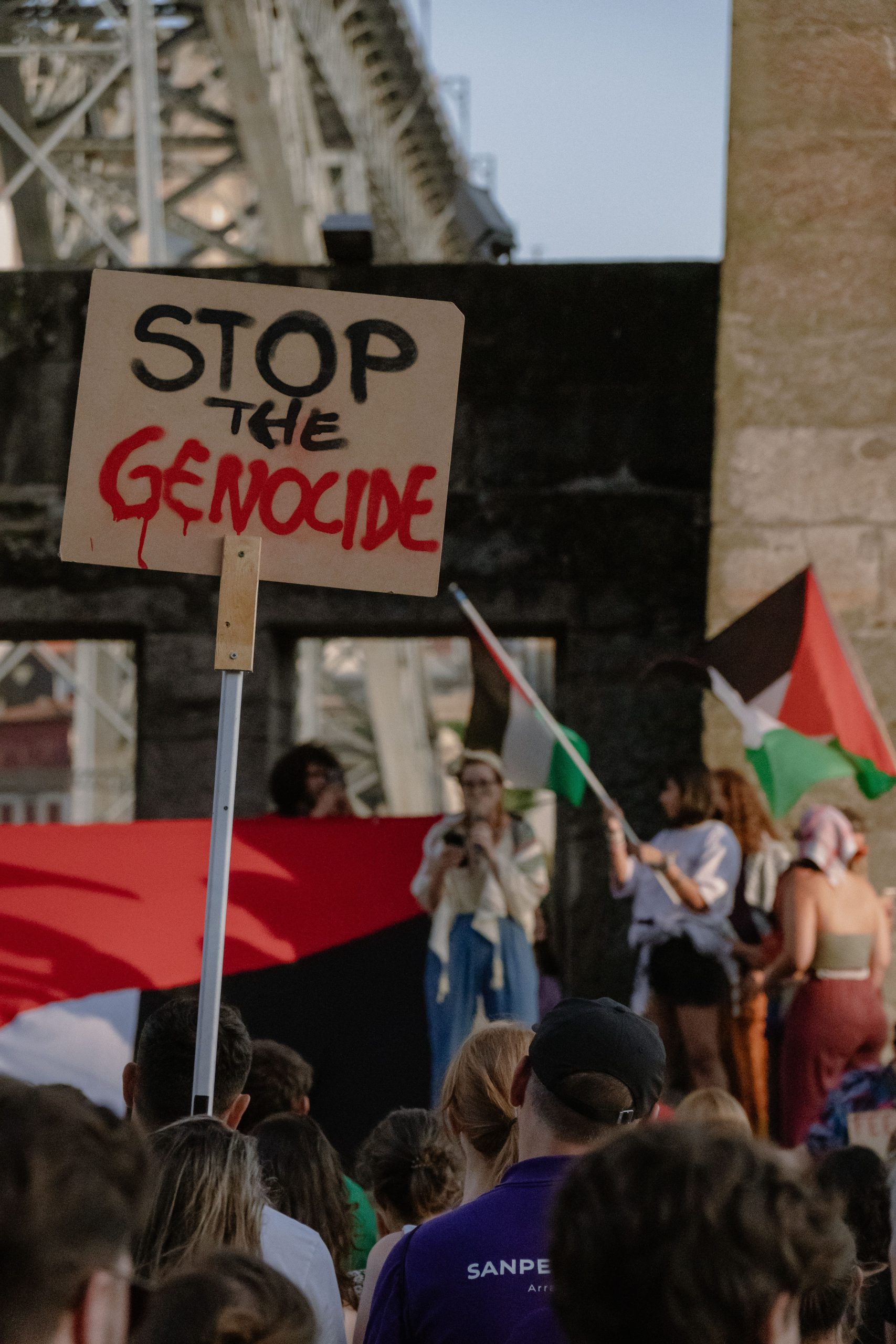
However, in contemporary conversations, the term “genocide” is frequently employed more loosely, often extending beyond its strict legal boundaries. It is increasingly used as a broad, catch-all label to describe a wide array of conflicts, policies, and social issues. For example, some commentators have labeled conflicts like the Ukraine war or specific immigration enforcement measures as genocide, despite the fundamental differences from the legal criteria. Even more concerning is the tendency to accuse certain actions or policies, such as those related to Israel, of genocide without substantive evidence—yet such claims are sometimes presented as established facts.
This widespread and often imprecise use of “genocide” raises critical concerns. When a term associated with mass atrocity and human rights violations is invoked casually or hyperbolically, it can diminish its gravity and erode public understanding of its true meaning. If “genocide” becomes a generic pejorative or political slogan, it risks losing its precision and impact. This dilution can have serious consequences: when actual genocide occurs, the global community may respond with skepticism or diminished urgency, having become accustomed to hearing the term in contexts that do not meet the legal threshold.
The potential fallout from this linguistic trend is significant. The integrity of international law and the efficacy of global human rights responses depend on clear, accurate use of key terms. Overextension or misapplication can undermine trust, impair crisis recognition, and delay necessary action. As language shapes perceptions and reactions, maintaining the distinction between rhetoric and reality is essential to ensuring that genuine acts of genocide receive the serious attention they warrant.
In sum, safeguarding the meaning of “genocide” is vital to uphold its legal and moral weight. Recognizing its true significance helps ensure that when humanity encounters the most egregious violations, the response is both swift and appropriate, rooted in an accurate understanding of the nature and scale of the atrocity.