Reflections on the 16th Day of Ramadan in Gaza: A Testament of Resilience Amidst Challenge
As we reach the 16th day of Ramadan in Gaza, it is impossible not to reflect on how profoundly this holy month feels different from those of the past. Traditionally, Ramadan is a time of spiritual renewal, community gathering, and shared moments of joy and reflection. It is a period marked by warmth, family bonds, and collective celebrations that bring a sense of unity and hope.
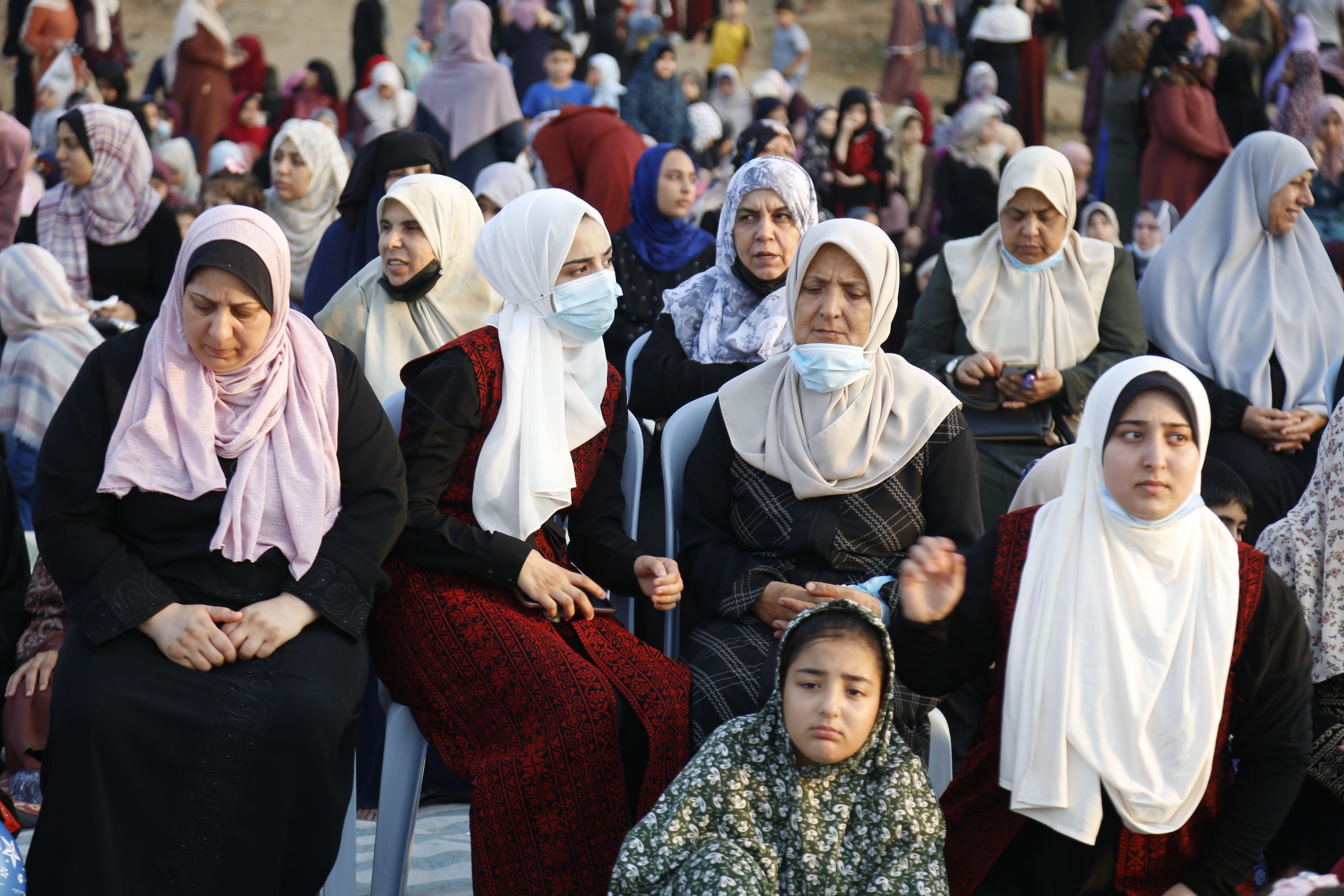
However, this year’s Ramadan tells a different story—one overshadowed by continued hardship and loss. The atmosphere that once animated our homes and streets with life and spirit has been largely subdued. Many community members are no longer present, having been displaced or affected by ongoing conflict. Families face the harsh reality of lost homes, disrupted livelihoods, and the erosion of normalcy that once defined daily life here.
As an individual observing this period, I find it difficult to express the depth of my feelings. I have not experienced genuine laughter from the heart since Ramadan began. The days are quiet, almost somber, while nights grow heavier with a weight of collective grief. Instead of moments of celebration, there is fatigue—an exhaustion born from enduring ongoing hardship and displacement.
This Ramadan feels like a dimming of life’s vibrancy—a stark contrast to the peace and joy that the month typically brings. It is a period where many of us are simply striving to survive, carrying a sorrow that words cannot fully capture.
Despite these formidable circumstances, the resilience of our community persists. We continue to observe Ramadan not just as a religious obligation but as a testament to our strength and hope. In the face of adversity, it remains a reminder of the enduring human spirit and the enduring pursuit of peace and normalcy.
This reflection serves as a reminder of the profound impact of conflict on personal and community life—and the importance of awareness, compassion, and support in these challenging times.