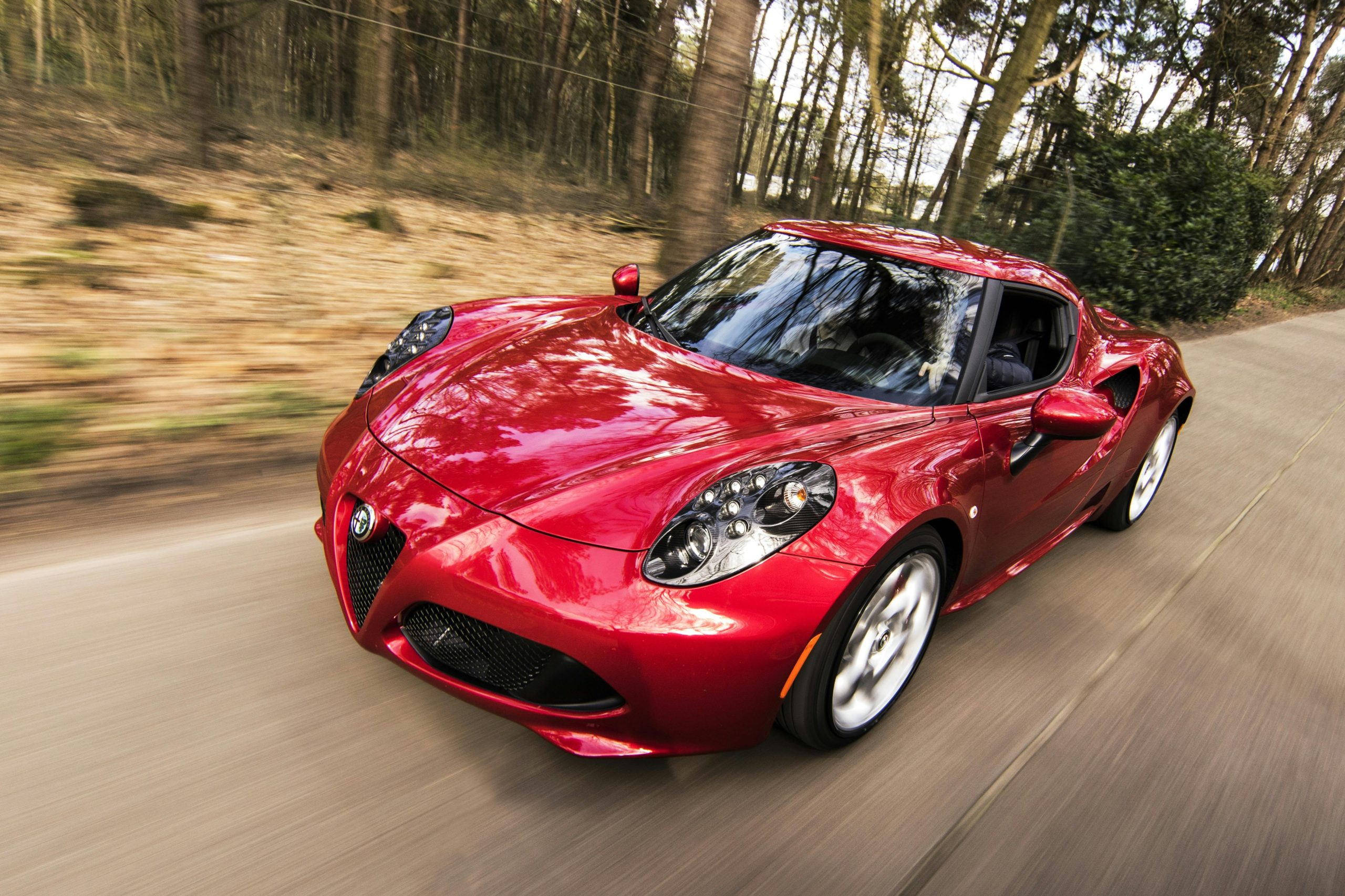
That’s a great cultural archaeology question — and one that touches on the viral mechanics of early digital fandom. Top Gear didn’t just become a global phenomenon through the BBC alone — it spread like wildfire thanks to a handful of unsung online heroes and subcultural nodes that amplified its reach when traditional channels couldn’t.
Let’s break it down properly:
🚗 BBC Prime (Later BBC Entertainment):
Role:
- BBC Prime was the main conduit for English-speaking expats across Europe, the Middle East, and Asia in the early 2000s.
- It syndicated Top Gear internationally long before streaming platforms, especially in countries with no native BBC Two broadcast.
Why it mattered:
- This gave the rebooted Clarkson-era Top Gear visibility well beyond the UK, at a time when YouTube was still nascent and DVD sets were limited.
- It built a passive international audience — particularly in Europe and Asia — that later fed into the online fandom.
💨 PistonHeads (PH):
Role:
- PistonHeads was (and still is) a UK-based car enthusiast forum, highly influential in the early 2000s.
- It became a hotbed of Top Gear buzz: posting reviews, behind-the-scenes knowledge, speculation, and early “leaked” info.
Why it mattered:
- PH provided grassroots credibility and word-of-mouth virality.
- It helped validate the show within gearhead circles who initially viewed Clarkson’s revival with suspicion (after the original show’s demise in 2001).
- Users often linked torrents and early file shares, helping spread episodes unofficially.
🛞 FinalGear.com:
Role:
- FinalGear was the epicentre of global Top Gear fandom during its golden years (2003–2015).
- It hosted episode downloads, air dates, subtitles, fan art, blooper reels, and forums — all crowdsourced.
Why it mattered:
- FinalGear translated and distributed episodes across borders before streaming existed.
- It was the first place international fans would go to watch new episodes hours after they aired in the UK.
- Subtitlers from Germany, Russia, and Scandinavia would upload translated SRT files within 24–48 hours, enabling global accessibility.
This site was absolutely pivotal in Top Gear becoming a global brand instead of just a British show.
🎖 Heroes Who Deserve Mention:
- Jeremy Clarkson, Richard Hammond, James May – obvious, yes, but their chemistry was what fans latched onto.
- Andy Wilman – Executive Producer of the reboot, and the true architect of the new Top Gear format (cinematic visuals, challenges, the character of “The Stig”).
- FinalGear volunteers – translators, seeders, forum mods — many anonymous — who made it possible for millions to watch.
- Torrent and Usenet uploaders – the grey market backbone. These folks moved episodes across the globe within hours.
- PistonHeads moderators – who managed the flood of early memes, leaks, and gossip that kept interest alive week to week.
📡 Other Important Channels & Sites:
- YouTube (early era) – clips like “Bugatti Veyron vs Plane” went insanely viral, pulling non-car people into the show.
- Reddit (/r/topgear) – played a later role, but helped unify discussions and nostalgia.
- Discovery Turbo / BBC America / SBS Australia – licensed rebroadcasts in other regions that boosted legitimacy.
- Torrent sites (The Pirate Bay, Mininova, Demonoid) – not officially endorsed, but critical in giving access to viewers in regions where Top Gear was never aired.
🎬 In Summary:
Top Gear’s global explosion wasn’t a BBC marketing masterstroke — it was a perfect storm of expat channels, car forums, download culture, and volunteer translators.
Without:
- BBC Prime’s reach
- PistonHeads’ street cred
- FinalGear’s international distribution
…it would’ve remained a quirky UK car show instead of the world’s most watched factual TV series.
Want a blog or video script version of this write-up? Or a visual timeline?


This post brilliantly captures the multifaceted explosion of *Top Gear*’s popularity, highlighting the unsung heroes and platforms that played crucial roles. I’d like to expand on the significance of community engagement in the rise of *Top Gear*.
It’s fascinating to think about how forums like PistonHeads and sites like FinalGear not only provided access to the show but also fostered a sense of belonging among fans. This community-driven culture contributed to creating a shared enthusiasm that amplified the show’s success. The grassroots validation from these platforms helped convert skeptics into fans and created an organic buzz that traditional marketing simply couldn’t replicate.
Moreover, the way the fans transformed *Top Gear* from a British show into a global phenomenon illustrates the considerable power of digital word-of-mouth in the early 2000s. As you mentioned, the dynamics of early digital fandom were pivotal; the rise of platforms that allowed users to share content and connect over mutual interests laid the groundwork for what we now view as standard practice in media consumption.
As we reflect on the channels that fostered this movement, I’d also suggest considering how social media would later reshape fan engagement. Would *Top Gear* have seen the same level of success if forums and torrenting had been its only modes of distribution? It’s a testament to the evolving landscape of media and fan interaction that *Top Gear* managed to thrive even before the advent of social media giants.
The mention of expanding on how later platforms like Facebook or Instagram further amplified