The Reincarnation of Dilukshi Nissanka: An Exceptionally Documented Case in Past-Life Memory Research
Reincarnation claims often face criticism rooted in retrospective storytelling—families and researchers reconstruct narratives to fit a prior match after an apparent connection is observed. This post-hoc rationalization diminishes the credibility of many such cases. However, the case of Dilukshi Nissanka stands out as a compelling exception due to its unprecedented prospective documentation and rigorous investigation.
A Childhood Revelation
Born in October 1984 in Veyangoda, Sri Lanka, Dilukshi Nissanka began exhibiting unusual behavior by the age of two. She frequently spoke of a past life, describing details unrelated to her current environment. Initially, her parents dismissed these claims, but as her references grew more specific and persistent, they recognized the importance of seeking external help.
Pre-Event Documentation
What elevates this case from anecdotal to scientific is the early recording of Dilukshi’s statements. Before any formal investigation or prior knowledge of potential previous identities, her words were documented in two separate instances:
- A letter written by a relative to a local Buddhist monk (abbot).
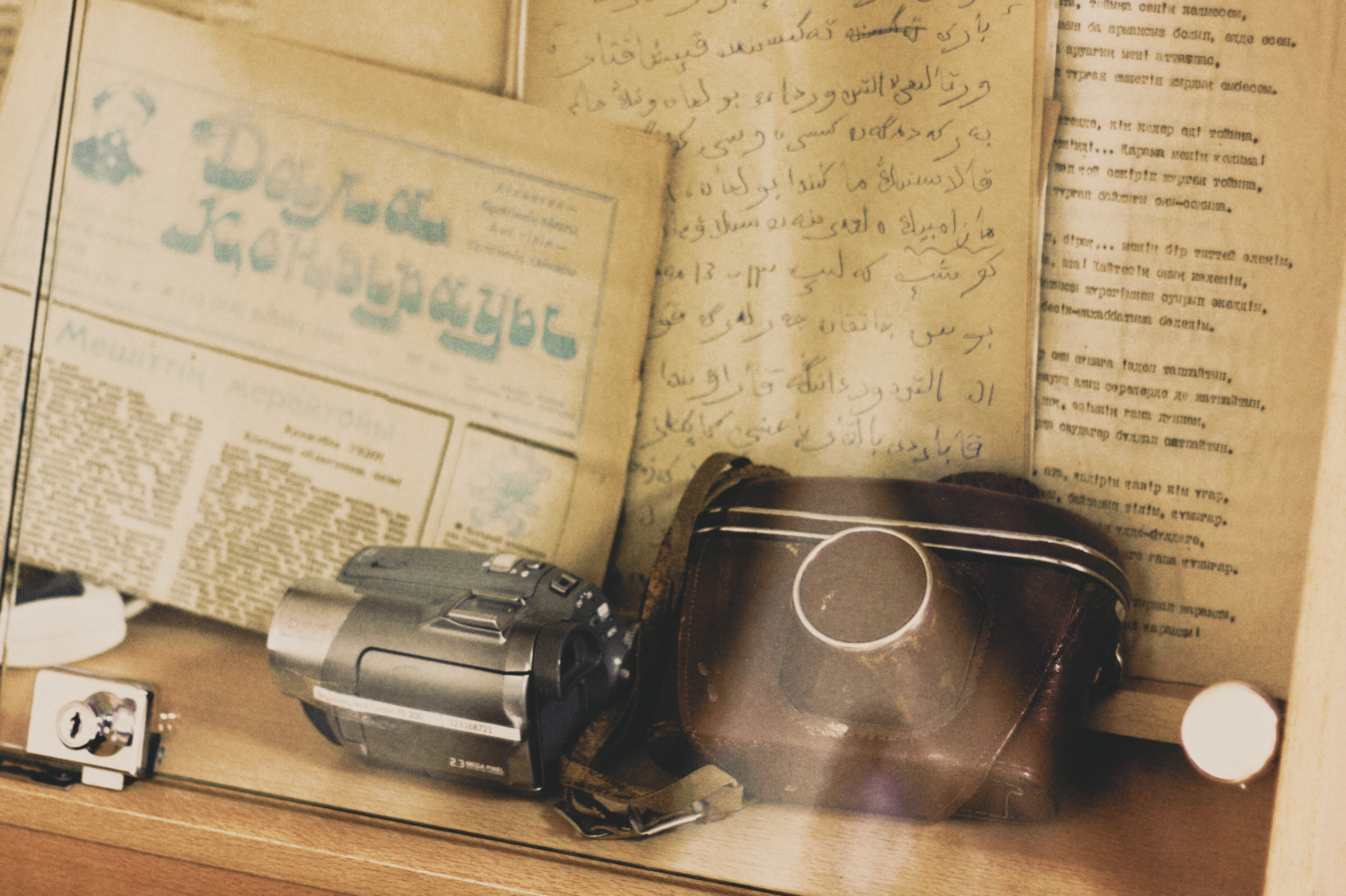
- A report published in the Sri Lankan newspaper Weekend on September 10, 1989.
This forensic-style recording was crucial—it provided an unaltered, contemporaneous account of her claims prior to any investigation or search for a match.
Matching the Past Identity
The story took a pivotal turn when, upon reading the newspaper account, a man named Dharmadasa Ranatunga recognized details in Dilukshi’s statements. The details aligned closely with those of his deceased daughter, Shiromi Inoka, who had drowned in a canal near Dambulla, approximately 130 kilometers from Veyangoda. The tragic event had occurred nearly exactly one year before Dilukshi’s birth, and remarkably, there was no prior contact or knowledge exchange between the Nissanka and Ranatunga families.
Investigative Analysis by Parapsychologist Erlendur Haraldsson
To evaluate the validity of these extraordinary claims, renowned parapsychologist Erlendur Haraldsson undertook a meticulous analysis. His team examined 22 items from the case that could be verified independently. The results were striking:
- 12 items matched Shiromi’s life details either exactly or partially. These included specific landmarks, local shops (notably one owned by a man nicknamed “Heenkolla”), distinctive physical features such as a low rocky area where children played, and unique clothing items like a housecoat with unusual buttons.
- 4 items were incorrect, such as inaccurate names for family members—an expected discrepancy in child memory recall.
- The remaining items were deemed uncertain, neither contradicting nor confirming the case.
Demonstrating Recognition and Location
The exposure of Dilukshi to the Dambulla area resulted in her traveling directly to the former family’s home, recognizing familiar faces and objects she had no way of knowing through normal means. Her spontaneous recognition and familiarity with specific details was considered especially compelling evidence of a past-life connection.
Publication and Scientific Scrutiny
For those interested in the research methodology and detailed analysis, Haraldsson co-authored a comprehensive account of this case in his book, I Saw a Light and Came Here. The case’s prospective nature, rigorous documentation, and impartial investigation make it one of the most thoroughly validated reincarnation reports in scientific literature.
Conclusion
The Dilukshi Nissanka case exemplifies how diligent, prospective documentation combined with methodical investigation can bring credibility to claims of reincarnation. While such cases remain controversial within mainstream science, the level of documentation and verification involved here offers valuable insights into this complex phenomenon. It challenges skeptics to consider the depths of memory, consciousness, and the possible mysteries that lie beyond our conventional understanding.